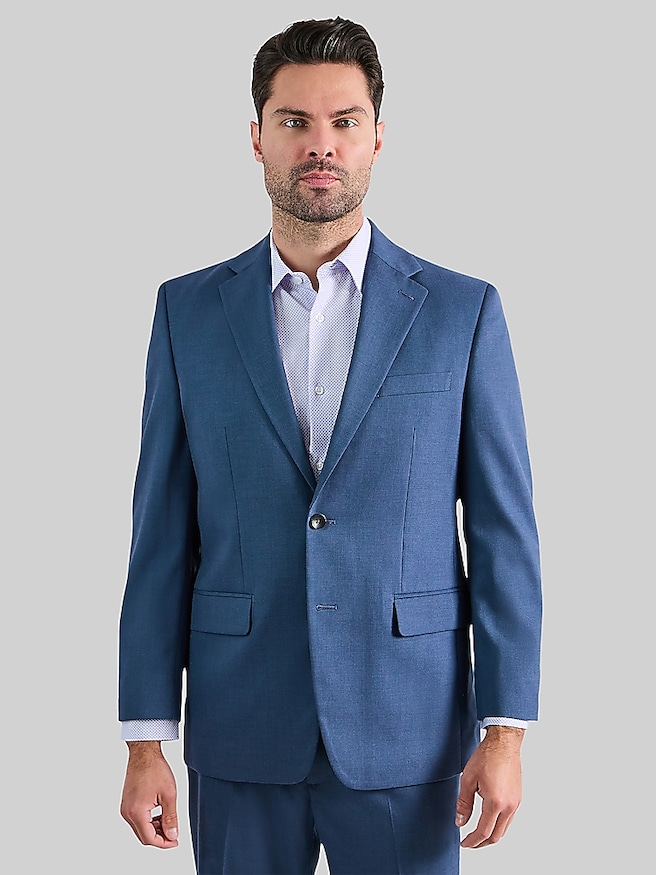
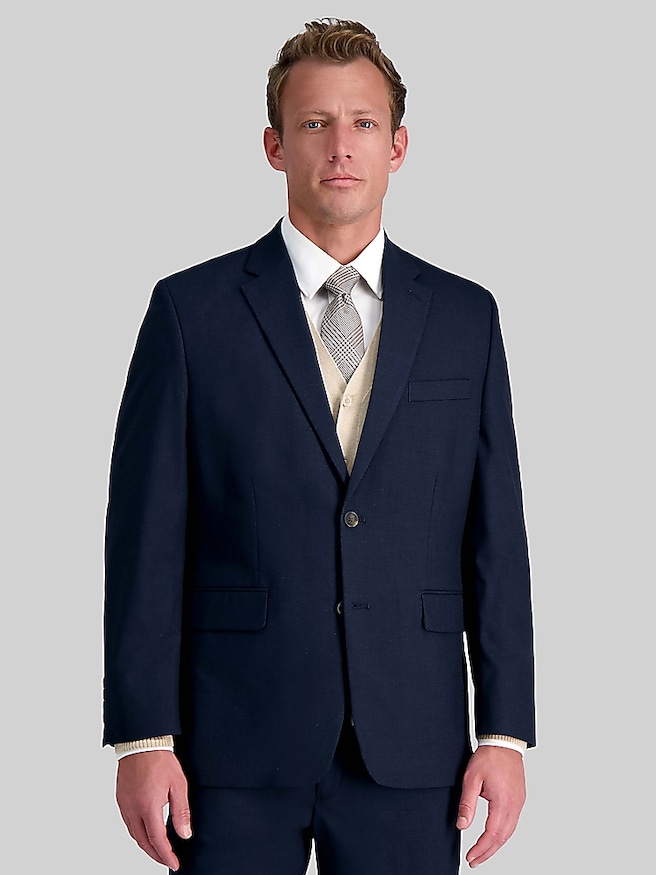
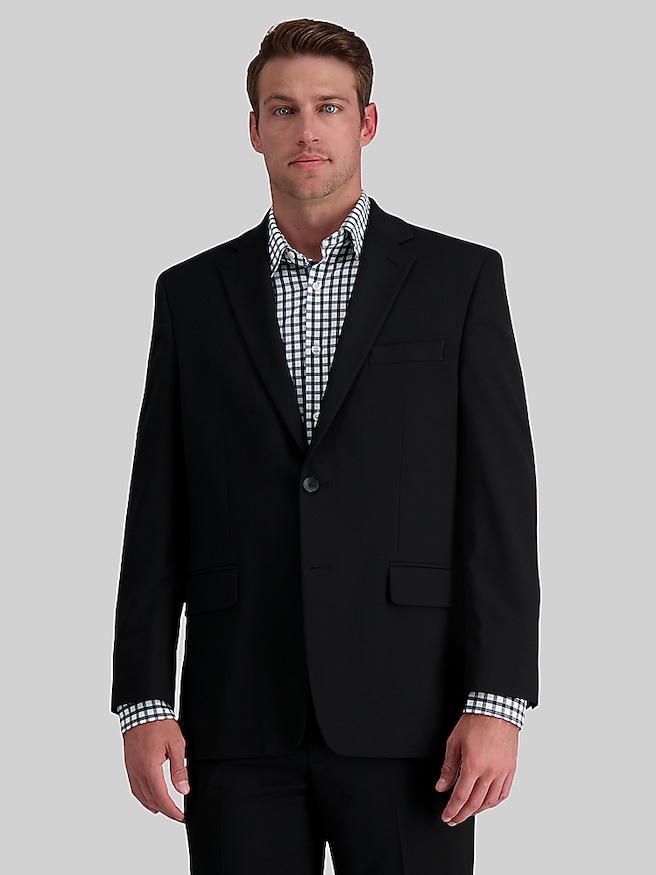
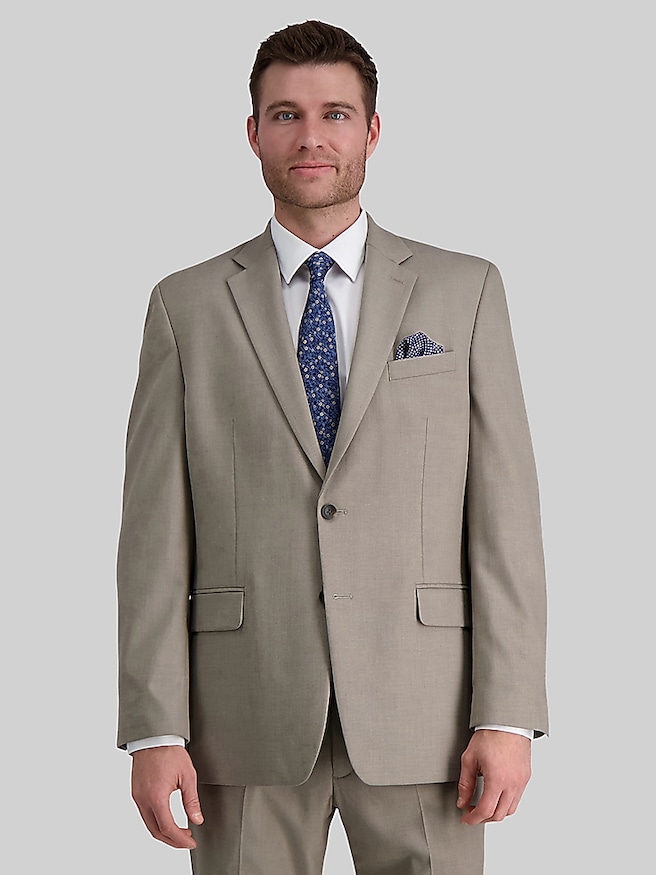
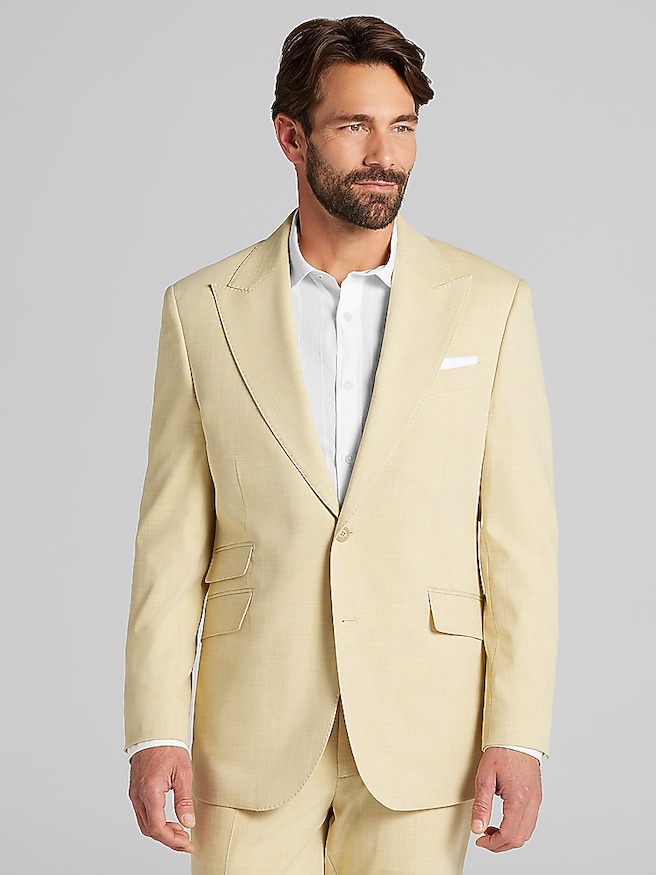
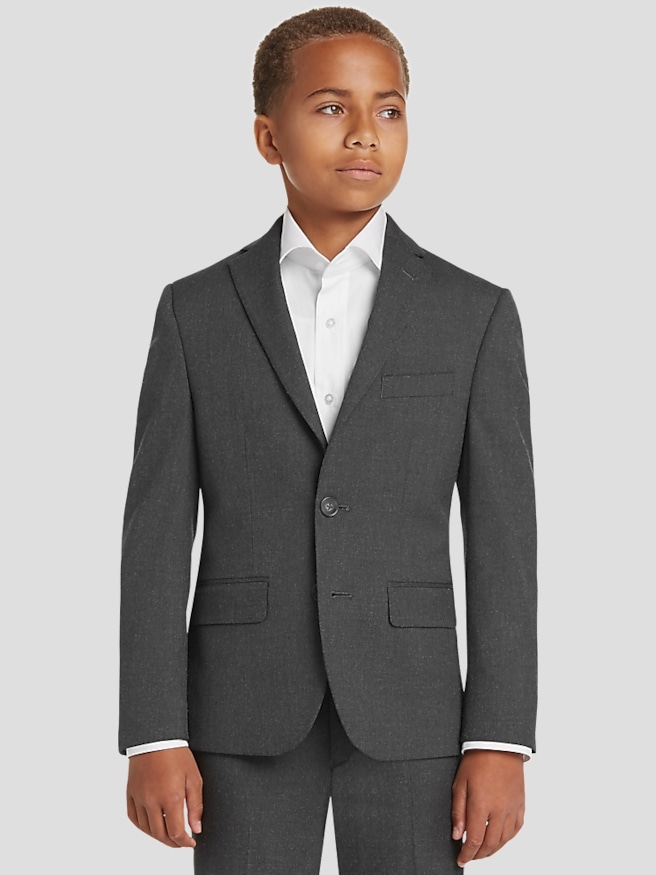
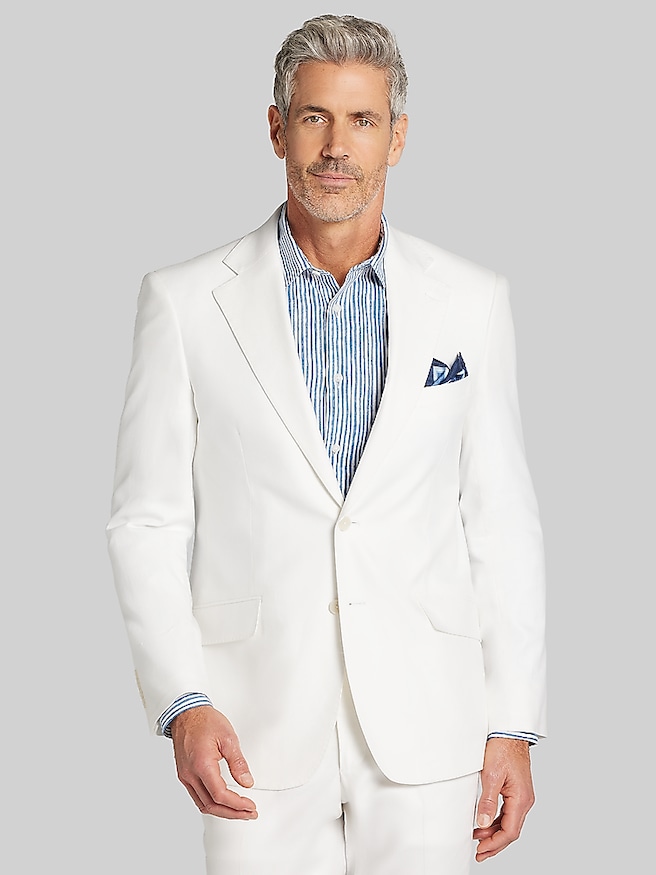
Small men’s suits are designed to bring balanced proportions, polished structure, and dependable comfort to a frame that may not align with standard suit dimensions. The best place to begin is with the jacket size, especially the distinction between Short (S) and Extra Short (XS) measurements. A size such as 34S, 36S, 38S, 40S, or 42S can provide a more suitable starting point than simply choosing a smaller regular jacket, because short sizing adjusts the length and proportions throughout the garment rather than only reducing its width. Look for a jacket that rests smoothly across the shoulders, closes without pulling at the button, and ends around the mid-hip area instead of extending too far down the body. Higher armholes can improve mobility and create a cleaner outline, while a slightly higher button stance can help the torso appear longer and more balanced. Single-breasted, two-button jackets are especially versatile for work functions, celebrations, ceremonies, and formal gatherings during the cooler months. Lapel width also matters: narrower or moderately proportioned lapels tend to complement a compact frame without adding visual bulk. The collar should sit close to the neck, the shoulder seam should finish near the natural edge of the shoulder, and the jacket should drape cleanly when standing and seated. A well-proportioned suit should feel composed rather than restrictive, allowing a wearer to shake hands, reach for a coat, or move through a crowded reception with ease. These details are useful whether the suit is being chosen for a first professional wardrobe, a milestone celebration, family portraits, a formal dinner, or an important presentation where looking prepared helps set the tone.
Trouser proportions are just as important as the jacket. Mid-rise or slightly higher-rise trousers can create a continuous line from the waistband to the hem, while a flat front and a slim, carefully shaped leg keep the outfit streamlined without feeling overly tight. The hem should meet the shoe with little or no break, creating a crisp finish that avoids excess fabric pooling around the ankle. A tailor can make a meaningful difference when an off-the-rack suit is close but not quite exact. Sleeve length is often one of the simplest adjustments, with roughly a quarter to a half inch of shirt cuff showing beyond the jacket sleeve depending on personal preference. Trouser length, jacket sleeve width, waist suppression, and the jacket hem can also be refined so the final proportions follow the wearer’s shape. Alterations should preserve the garment’s structure; major shoulder changes are more difficult, which is why a secure shoulder fit deserves priority at the beginning. Try the complete outfit with the dress shirt and shoes intended for the occasion, since collar height, cuff thickness, and shoe profile can all affect the overall balance. Streamlined accessories usually work best: a proportional tie, a neatly folded pocket square, and a belt or shoe color that coordinates rather than competes. Oversized watches, very wide ties, bulky shoes, and broad lapels can overwhelm a smaller frame, while simple textures and subtle patterns add personality without interrupting the clean vertical line. Navy, charcoal, medium gray, and other adaptable shades can move easily from office settings to evening events, while a textured shirt or understated pattern adds warmth during the cooler season. Proper care extends the life of a suit as well. Hang the jacket on a broad shoulder hanger, allow the fabric to rest between wears, brush away surface lint, and use professional cleaning when needed rather than relying on frequent cleaning. Keeping trousers paired with their matching jacket also helps the pieces age evenly and remain ready for the next occasion.
A suit in short or extra-short sizing can be a thoughtful gift for a father, partner, sibling, graduate, or someone beginning a new role, particularly when it supports a moment that deserves more confidence and comfort. It can also be a practical choice for a young person attending a ceremony or formal gathering; shoppers seeking coordinated styles for a younger family member can explore Boys Suits for additional options. When giving a suit as a gift, knowing the recipient’s jacket size, trouser waist, inseam, preferred fit, and usual shirt collar size makes the process smoother. A recently worn jacket can offer useful clues, but measurements taken over a shirt generally provide a better starting point. Consider the recipient’s routine as well: someone building a work wardrobe may benefit from a versatile solid color, while someone attending several formal events may appreciate a suit that pairs easily with different shirts, ties, and shoes. The most successful fit leaves room for natural movement without appearing loose, and it should remain comfortable through a full day that may include travel, photographs, dinner, or dancing. During the transition from early fall into winter, a suit can be layered with an overcoat, fine-gauge sweater, or wool blend accessories while preserving a neat silhouette indoors. At a ceremony, a properly proportioned jacket frames the face and shoulders in photographs; at a work function, clean trouser lines and a controlled jacket length communicate care without excessive fuss. Small men’s suits make those details easier to achieve by offering proportions developed for shorter frames rather than asking the wearer to compensate for extra fabric. With the right size, thoughtful tailoring, and accessories scaled to the outfit, a suit becomes more than formal clothing: it becomes a reliable foundation for showing up comfortably, confidently, and appropriately wherever the occasion leads.