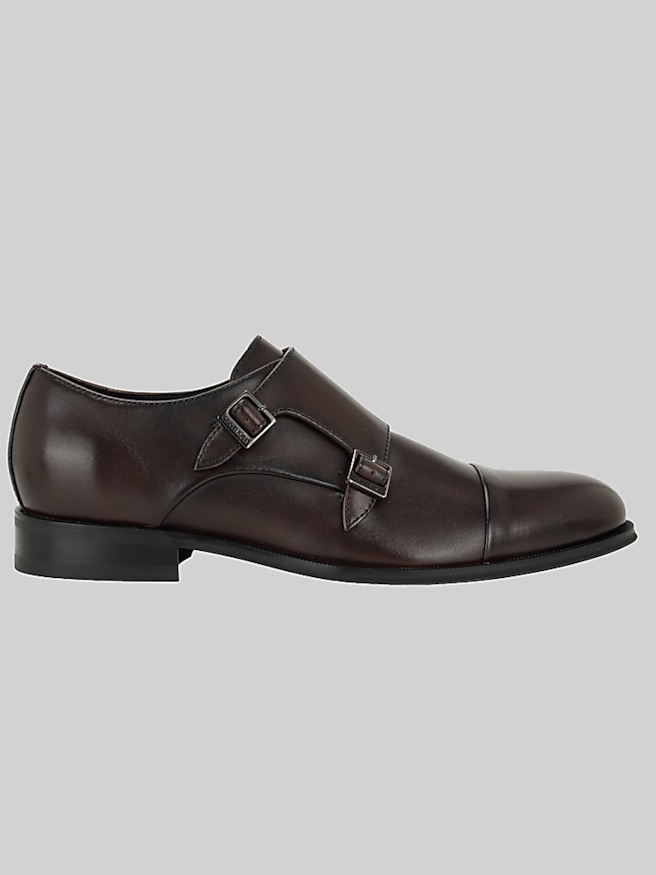
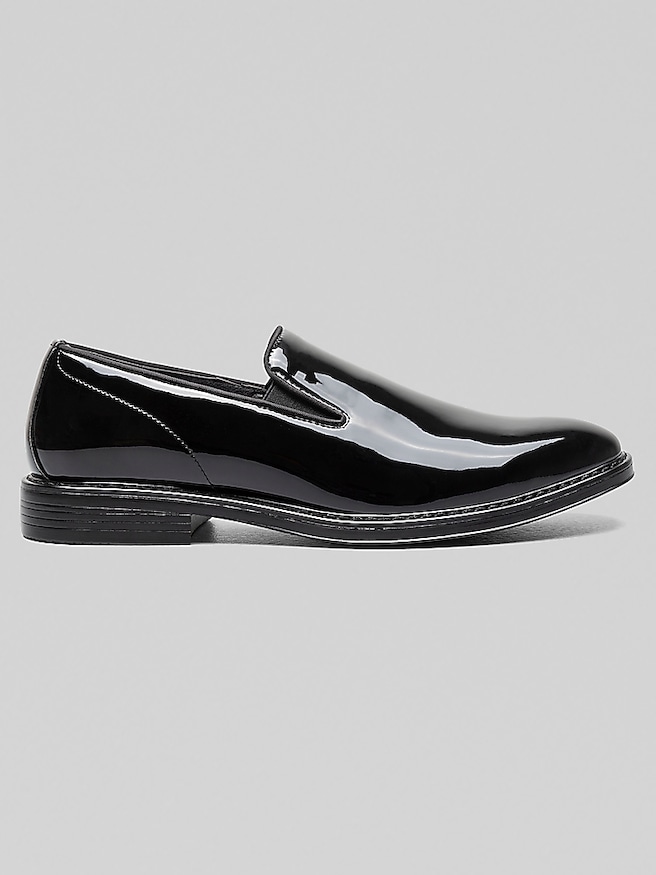
Slip-on business shoes bring a clean, uninterrupted profile to workday dressing, with an easy-on design that suits the rhythm of an office commute, a client meeting, or a day split between a desk and appointments. Without laces crossing the upper, the shape of the shoe becomes especially important: a gently tapered toe and a close-fitting vamp tend to look refined, while a broader silhouette or heavier sole can give the same category a more relaxed character. Loafer styles offer several ways to express that distinction. A simple penny-style strap keeps the look understated, tassels add a traditional touch, and discreet hardware can provide an accent without dominating the outfit. The right choice depends as much on the workplace as on personal taste. A smooth black pair can look composed beneath charcoal trousers, while dark brown leather brings depth to navy tailoring and works naturally with tan or gray separates. Burgundy tones offer another option for someone who prefers a little contrast within an otherwise restrained wardrobe. For anyone comparing silhouettes intended for tailored outfits, Men's Dress Slip On Shoes provides a related perspective on this polished footwear category. Business slip-ons are not limited to a full suit, either. They can finish flat-front chinos and a tucked-in button-down, lend structure to an open-collar shirt and sport coat, or keep a fine-gauge knit and dress trousers from feeling too casual. Trouser length helps the combination look deliberate: a hem with little excess fabric allows the shoe’s outline to remain visible rather than disappearing beneath a heavy break. Socks in a color close to the trousers create a continuous line, particularly in more traditional offices. For interviews, presentations, and other occasions where a restrained appearance matters, simple detailing and a well-maintained finish generally contribute more than prominent decoration. The result is footwear that can support a professional wardrobe without making every outfit feel equally formal.
Materials and fit make a meaningful difference in how slip-on business shoes feel after several hours of wear. Smooth leather offers a defined appearance and can develop subtle character with regular care; its finish may range from softly matte to more polished. Suede has a textured, less formal look that often sits comfortably within business-casual dress codes, though it needs a different cleaning approach from smooth leather. Synthetic uppers vary in flexibility, breathability, and maintenance requirements, so material alone does not tell the whole story. Lining, padding, seams, and construction also influence comfort, especially for someone who moves between conference rooms, walks several blocks to an office, or spends part of the day standing. A leather lining may feel different against the foot than a textile lining, while cushioning under the heel and forefoot can soften contact with the floor. A thick, soft footbed is not automatically the best fit for every wearer; it also takes up space inside the shoe and can change how securely the heel sits. Because there are no laces to adjust, the fit across the instep is particularly important. The upper should hold the foot securely without pressing sharply across its highest point, and the heel should not lift enough to cause repeated rubbing or make the wearer grip with the toes. Toe room matters just as much as heel hold. A sleek shape should still leave enough space for the toes to rest naturally rather than feeling compressed at the sides. Leather may soften with use, but an uncomfortable size or an unsuitable shape is not something to count on wear to correct. Trying shoes with the socks intended for work gives a more useful impression of fit than testing them with unusually thick or thin socks. Underfoot, leather soles offer a traditional dress-shoe character, while rubber soles can provide flexibility and grip, depending on their design. Sole thickness also affects the overall look: a lower profile often complements tailored trousers, whereas a more substantial base can feel visually balanced with casual office clothing.
Durability comes from the combination of materials, construction, fit, and care rather than appearance alone. A neatly finished upper may make the first impression, but secure seams, a stable heel, and an outsole suited to the wearer’s routine influence how the shoe holds up over time. Flexibility at the forefoot can make walking feel more natural, while excessive stiffness or a shape that allows the foot to slide can create discomfort during a long workday. Some construction methods allow resoling or other repairs, although that depends on the individual shoe and should not be assumed from its style. Regular care helps preserve both comfort and presentation. For smooth leather, removing surface dust with a soft brush or cloth keeps residue from building up around stitching and along the edge of the sole. A suitable leather conditioner can help maintain suppleness, and polish matched to the material and finish can restore an even appearance without obscuring the leather’s character. Suede generally calls for a dedicated brush and appropriate cleaning products rather than conventional shoe polish. Care directions matter because treatments suitable for one upper may discolor or alter another. Letting shoes rest between wears gives the interior time to air out, and properly sized shoe trees can help maintain shape and reduce deep creasing across the vamp. A shoehorn is especially useful for slip-ons because it helps protect the heel counter from being crushed during dressing. These habits are practical for anyone who relies on the same footwear category throughout the workweek, from an experienced professional with a consistent dress code to a recent graduate building a first office wardrobe. Slip-on business shoes can also make a thoughtful gift for a partner, father, or adult son starting a new position or stepping into a more visible role. Familiarity with the recipient’s size, preferred toe shape, usual trouser colors, and workplace expectations makes that choice more personal. Whether intended for daily meetings or occasional professional events, a secure fit and a versatile silhouette give the shoes a clear purpose beyond their first outing.