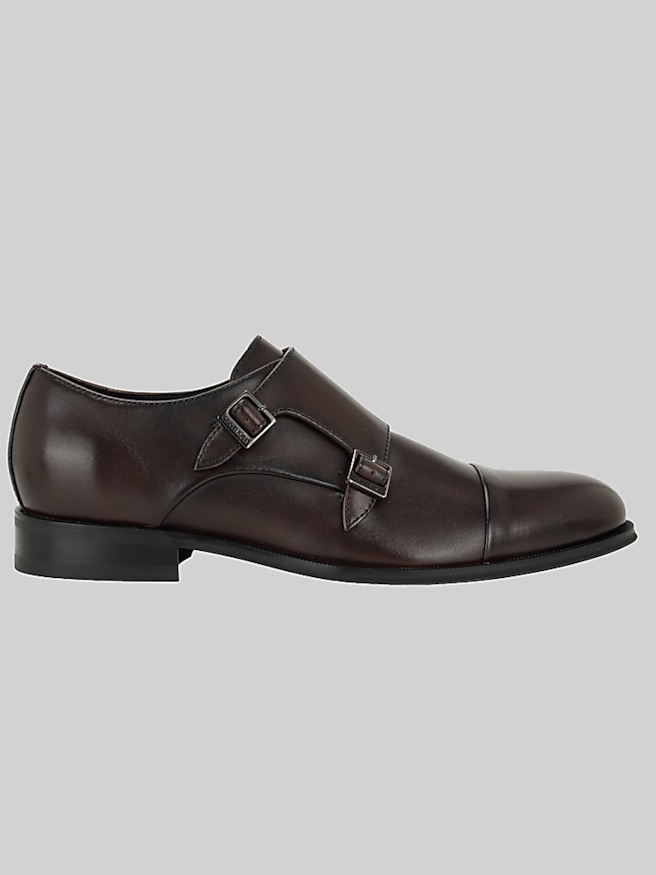
Comfortable business shoes combine a polished appearance with cushioning, a secure fit, and enough flexibility to move naturally through a workday. The most useful pairs feel appropriate at a conference table without becoming a distraction on the walk between meetings. For men whose schedules include a commute, time at a desk, and stretches spent standing, comfort involves more than a soft footbed: the heel should stay steady, the toes should have room, and the sole should support an easy stride. Classic silhouettes offer several ways to achieve that balance. Oxfords have closed lacing and a clean profile that works particularly well with tailored suits and more formal office attire. Derbies use open lacing, which can allow more adjustment across the top of the foot while still looking sharp with dress trousers. Loafers offer a streamlined, slip-on option for offices where chinos, knit polos, and sport coats are part of the everyday rotation. Smooth leather, understated stitching, and a neatly shaped toe generally create a more formal impression, while textured uppers and less structured profiles can suit relaxed professional settings. Black shoes pair naturally with charcoal or dark gray tailoring; brown shades offer versatility with navy trousers, tan chinos, and many patterned fabrics. The shape matters as much as the color. A rounded or softly tapered toe can look refined without forcing the foot into a narrow point, and a modest heel keeps the silhouette balanced. For workplace outfits that lean less formal, Modern Business Casual Shoes provide a related direction for pairing professional footwear with relaxed tailoring. Comfortable business shoes should still reflect the setting: an important presentation, a client lunch, and a routine day at a desk may call for different levels of polish. A pair that complements the dress code and feels dependable during ordinary movement is more useful than one chosen for appearance alone, especially when the day extends from the first commute to an evening networking event.
Materials and construction help explain why two similarly shaped business shoes can feel very different on the foot. Leather uppers can gradually conform to the wearer, although their flexibility depends on the thickness, finish, and construction. Supple leather may feel accommodating sooner, while a firmer upper can hold a crisp shape but require a reasonable adjustment period. Suede offers a softer visual texture for less formal offices and needs care suited to its nap. Inside the shoe, smooth linings and neatly finished seams help limit rubbing, particularly around the heel and across the top of the toes. Breathable linings and moisture-managing materials can also contribute to comfort during extended wear. Underfoot, cushioning softens the sensation of each step, while support helps maintain a stable platform; an extremely soft insole is not automatically the best choice for a long day. Foam footbeds vary in firmness and resilience, and removable insoles can be useful when extra space or compatibility with an existing insert matters. The outsole contributes another part of the experience. Rubber soles often provide a forgiving feel and useful traction, while leather soles offer a traditional appearance and may feel firmer underfoot. Grip depends on the tread, surface, and condition of the sole, so a rubber outsole should not automatically be treated as slip-resistant. Flexibility should occur near the ball of the foot rather than allowing the entire shoe to fold without resistance. Fit brings these features together. Toes need space to rest naturally, the widest part of the foot should align with the widest part of the shoe, and the heel should feel held without pinching. Laces allow fine adjustments, while loafers depend more heavily on the match between the foot and the shoe’s shape. A wider foot or higher instep may need a different width or construction rather than simply a longer size. Trying shoes with the socks intended for work gives a more realistic sense of space. A brief walk can reveal heel movement, pressure across the instep, or seams that rub; those problems should not be dismissed as something every shoe will eventually overcome.
Durability and care are closely connected to everyday comfort. An upper that stays supple, a lining that remains smooth, and a sole that wears evenly help preserve the feel that made a pair appealing in the first place. Reinforced stitching and secure attachment between the upper and sole matter for repeated use, whether the construction is stitched, cemented, or a combination of methods. Some shoes can be resoled, but that depends on their construction and condition rather than appearance alone. Regular attention is usually straightforward: brush away surface dirt, wipe smooth leather with an appropriate cloth, and use leather conditioner sparingly according to the material’s care instructions. Polish can restore a tidy finish, especially around the toe and heel, where contact with stairs, chair legs, and pavement often leaves marks. Suede needs a suitable brush and products intended for its texture rather than conventional leather polish. Letting shoes air out between wears helps the lining dry, and rotating pairs gives each one a break from repeated use. Properly sized shoe trees help maintain shape, while a shoehorn reduces strain on the heel when putting shoes on. Heat can damage leather and adhesives, so drying should happen away from direct heat sources. Wear patterns also deserve attention: a compressed footbed, uneven heel, or thinning outsole can change how a shoe feels even when the upper still looks presentable. Comfortable professional footwear has practical value for office staff, managers, educators, and anyone moving between a workspace and face-to-face appointments. For business travel, a versatile silhouette can work with several outfits, but the fit should already feel familiar before a full itinerary. As a gift for a graduate starting a first job or a professional updating a work wardrobe, business shoes are most successful when the recipient’s size, width, and workplace expectations are known. Personal comfort is specific, and the strongest choice balances those needs with a polished look that remains easy to wear repeatedly.