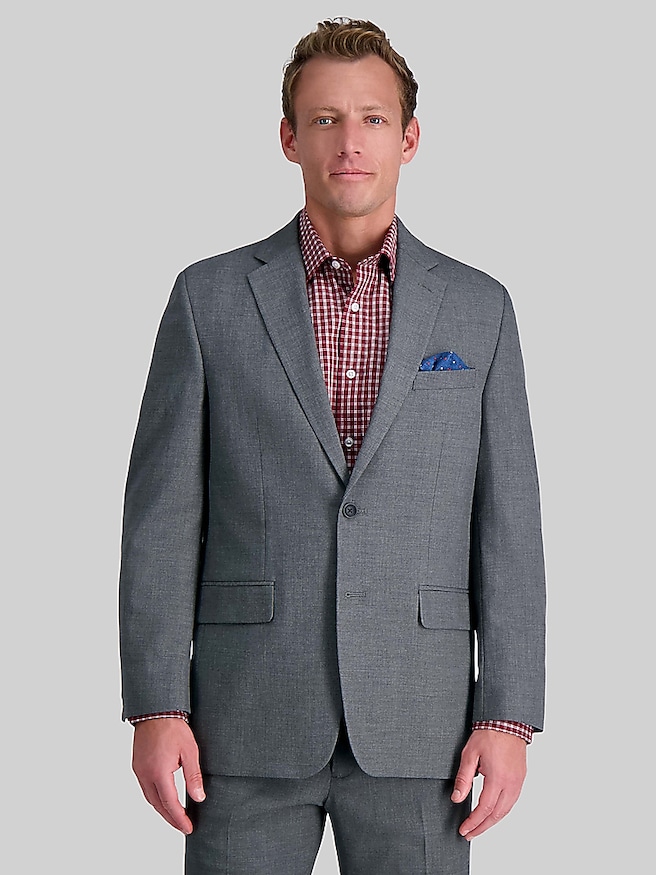
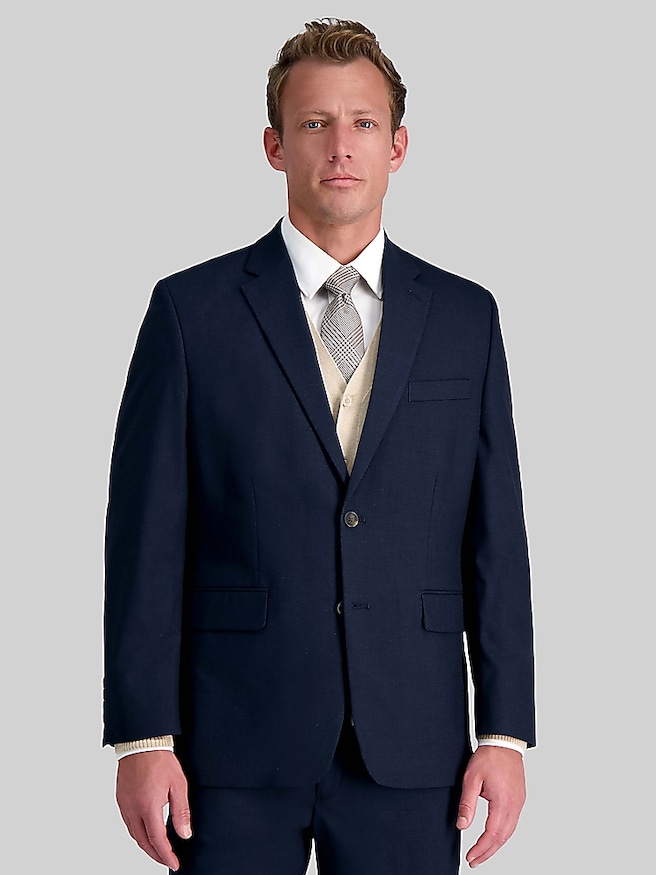
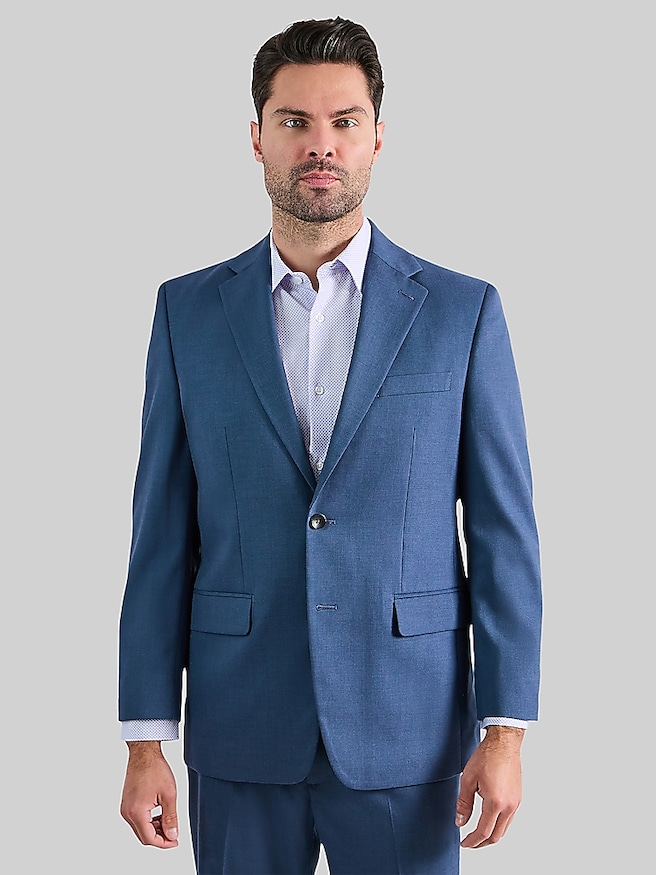
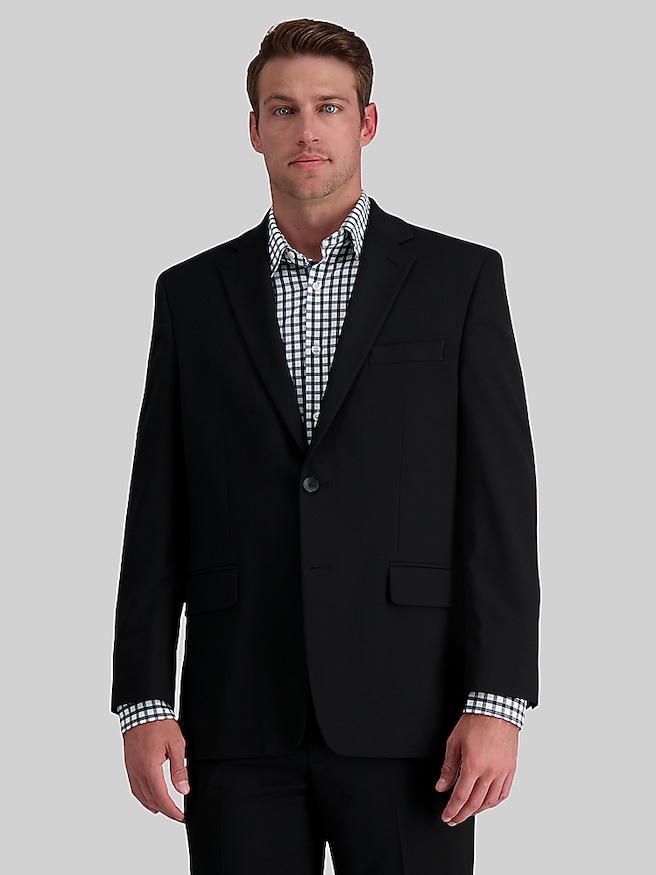
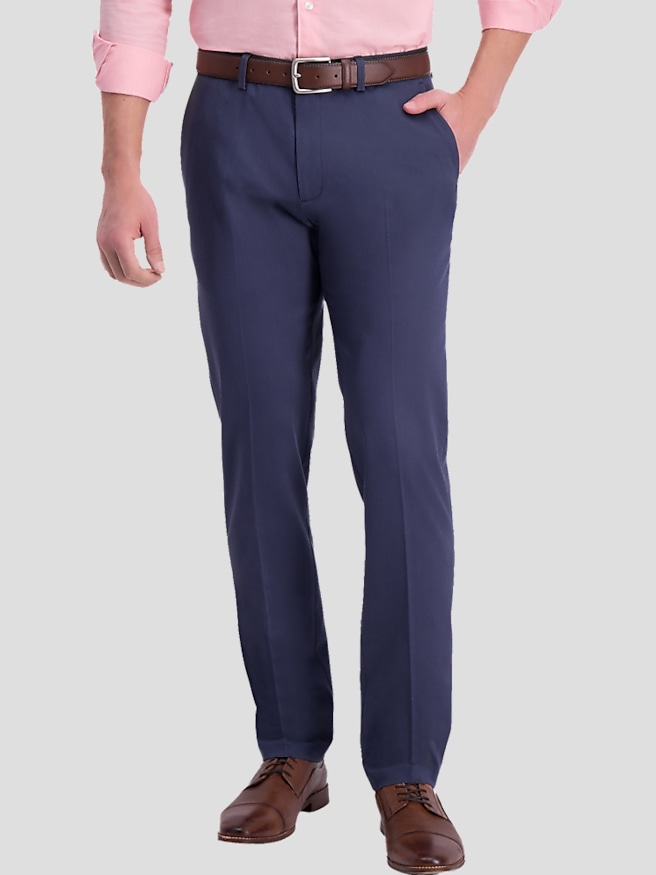
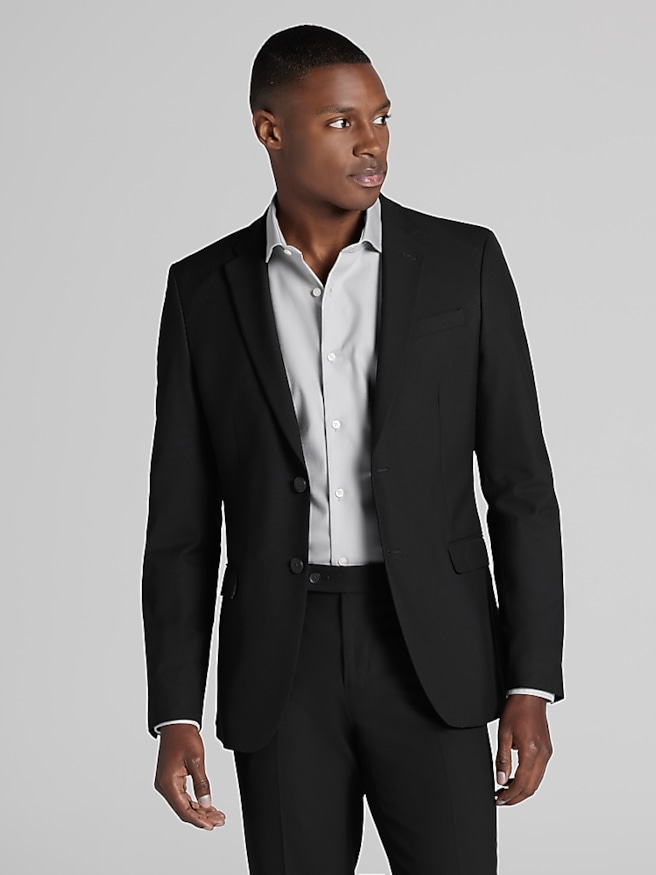
Slacks for a wedding guest offer a polished alternative to a full suit when the invitation allows dressy separates. Tailored trousers paired with a dress shirt, coordinating jacket, and leather dress shoes can suit many cocktail or dressy-casual celebrations, while more formal dress codes generally call for a matching suit or tuxedo. The distinction comes down to the complete outfit: crisp trousers with a defined crease look more occasion-ready than casual pants with bulky pockets, heavy stitching, or a visibly rugged finish. For a ceremony followed by dinner and dancing, dress slacks provide a refined foundation without requiring every piece to match. Navy, charcoal, and medium gray are versatile starting points because they work with a broad range of shirts and jackets. Darker shades tend to create a more formal impression, while lighter neutrals can feel relaxed when the setting and invitation support them. A subtle pinstripe, small check, or textured weave adds interest, although a quiet pattern is often easier to coordinate with a patterned tie or pocket square. Solid trousers also leave room for a jacket with more visible texture without making the outfit feel busy. A navy blazer with gray slacks, for example, creates an intentional contrast; two nearly identical shades of navy in noticeably different fabrics can look like an unmatched suit. Guests who prefer a coordinated jacket and trouser combination can explore Wedding Guest Suits for a more unified look. Wedding guest slacks are especially useful for celebrations where a jacket is appropriate for the ceremony but may come off at the reception. A well-fitting waistband, clean shirt tuck, and balanced trouser shape help the outfit retain its polish either way. The couple’s requested attire remains the best reference point, particularly when an invitation specifies formal or black-tie clothing rather than leaving the level of dress open to interpretation.
Fabric and construction influence how dress slacks look in photographs and how they feel through a long celebration. Wool is a traditional choice for tailored trousers because it drapes cleanly, holds a crease well, and has natural resilience. Fine worsted wool often has a smooth surface that complements dress shirts and structured jackets, while more visibly textured weaves introduce depth without relying on a bold pattern. Wool blends can combine that tailored appearance with other performance characteristics, depending on their fiber content and construction. A small amount of stretch may provide extra give when sitting through the ceremony, stepping into a car, or joining the dance floor, but it cannot compensate for trousers that are too tight. Synthetic blends may offer wrinkle resistance and straightforward upkeep, though the care label is the reliable source for cleaning requirements. Cotton dress trousers generally have a less fluid drape and can show creases more readily, making their suitability depend on the finish and the formality of the event. Across materials, a matte or softly lustrous surface is usually easier to coordinate than a pronounced sheen. Fit matters just as much as fiber: the waistband should sit securely without pinching, and the seat should lie smoothly rather than pulling across the hips or sagging beneath them. Slim fits create a narrower silhouette, straight fits maintain a more consistent line through the leg, and roomier cuts allow additional space through the seat and thigh. Those labels vary, so the actual proportions matter more than the name. The rise also affects comfort and the way a tucked shirt meets the waistband. For someone seated through dinner and speeches, enough room through the upper leg can make a noticeable difference. Flat-front slacks give a clean, streamlined appearance, while well-cut pleated trousers provide additional room and a distinctive tailored shape. Neither detail determines formality on its own; fabric, fit, and the rest of the outfit do more of that work.
Finishing details help wedding guest trousers look considered rather than simply dressed up at the last minute. The hem should meet the shoes deliberately, with little or no break for a crisp, shorter line or a slight break for a more traditional finish. Excess fabric pooling around the ankles can obscure an otherwise good fit, while a hem that rides too high when standing may expose more sock than intended. Trying trousers with the shoes planned for the celebration gives a clearer sense of length and proportion before alterations. A clean hem and a modest waist adjustment can improve the overall silhouette, although substantial fit problems are better addressed with a different cut. Belt loops work naturally with a restrained leather belt, while side adjusters offer a cleaner waistband without one. Dress socks that relate to the trouser color help maintain a continuous line when walking or sitting, and polished shoes reinforce the formality of the fabric. Pocket bulk deserves attention as well: an overfilled wallet or large phone can interrupt the drape and strain the pocket openings. Durable slacks rely on more than fabric weight. Secure seams, neatly finished hems, a stable waistband, and well-constructed closures all contribute to repeated wear, while sufficient ease reduces stress at the seat and thighs. Care should follow the garment label, whether that means professional cleaning or an approved washing method. Between wears, emptying the pockets, airing the trousers, and hanging them neatly can help preserve their shape. A trouser hanger or a broad, smooth hanger bar helps avoid unwanted folds, and pressing should use a setting appropriate to the fabric, with a pressing cloth when needed to prevent shine. Treating spills promptly according to the care instructions is safer than vigorous rubbing, which can damage the surface. These same trousers can serve beyond the wedding at anniversary dinners, business functions, and other dressed-up gatherings. A versatile color and a comfortable, tailored fit make them a useful part of a wardrobe built around repeat occasions rather than a single photograph.