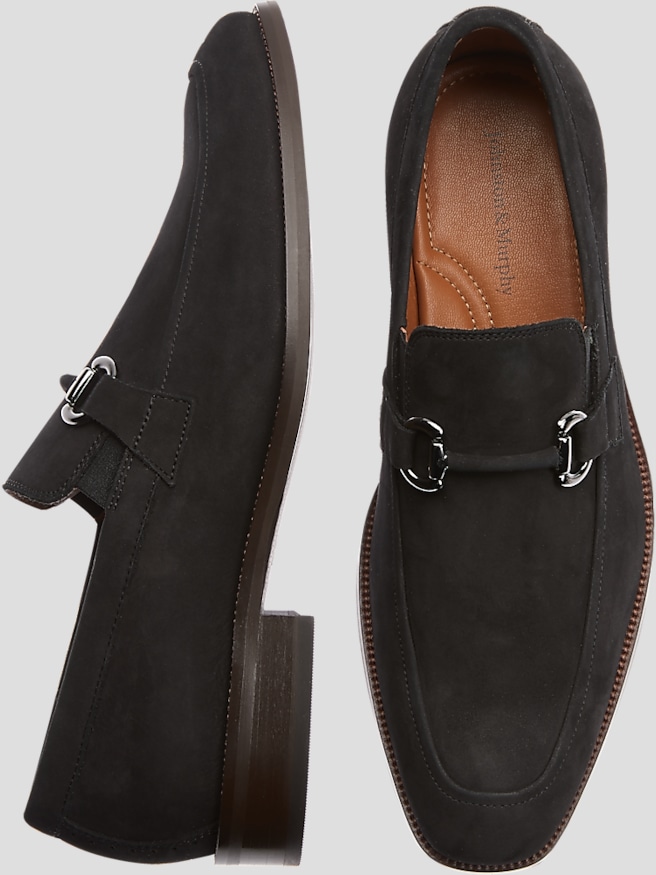
Size 7 loafers bring the clean profile of a slip-on shoe to outfits ranging from tailored trousers and a sport coat to chinos and dark denim. In men’s footwear, a US size 7 is a starting point for fit rather than a guarantee of identical dimensions across every shoe. Width, toe shape, interior volume, and the last—the form used to shape a shoe—all influence how a loafer feels on the foot. The defining feature is its lace-free construction, which makes a secure fit through the heel and instep especially important. Penny loafers have a slotted strap across the upper and an understated appearance that works well in offices, at dinners, and at daytime celebrations. Tassel loafers add movement and decorative detail, while metal-bit styles introduce a more noticeable accent. A streamlined toe and a relatively slim sole generally look dressier than a broad, rounded toe paired with a substantial rubber outsole. Black leather creates a crisp finish beneath charcoal or navy trousers; brown shades can complement blue, tan, olive, and gray clothing without making the shoes the focal point. Suede offers a softer visual texture that feels at home with chinos, knitwear, and unstructured tailoring. For a workday that moves from a desk to a client lunch, the appeal lies in looking composed without the more structured appearance of a lace-up dress shoe. At a wedding with a cocktail or semiformal dress code, polished loafers can work with an appropriately tailored suit, though they are not automatically a substitute for footwear specified by a formal dress code. Trouser length also affects the overall impression: a neat hem with little excess fabric allows the shoe’s shape to remain visible. Whether the preference is restrained or more expressive, size 7 loafers offer a familiar silhouette whose character comes from small differences in finish, stitching, proportions, and sole construction.
Fit matters more than the number stamped inside, particularly because loafers cannot be tightened with laces. A well-fitting size 7 loafer should feel comfortably secure across the instep, hold the heel without persistent slipping, and leave enough room for the toes to lie naturally rather than curl or press against the front. Slight movement at the heel may occur as a new sole begins to flex, but repeated lifting, rubbing, or a need to grip with the toes can signal a mismatch. Some people wear a smaller size in loafers than in athletic shoes, but automatically going down half a size is not a reliable rule. Foot measurements, the shoe’s shape, and the intended socks provide a better basis for comparison. A foot that feels squeezed at the sides may need more width rather than more length; a foot that slides forward may need less interior volume rather than a shorter toe box. Trying both shoes and walking on a clean indoor surface can reveal pressure points that are easy to miss while seated. Feet may also swell somewhat over a full day, making comfort during an afternoon fitting worth considering. Thin dress socks and thicker casual socks occupy different amounts of space, so the pair intended for regular wear belongs in that assessment. Low-profile socks can create an exposed-ankle appearance while providing a barrier between skin and lining. Leather uppers may soften and conform with wear, but a painful fit should not be treated as something that will necessarily resolve. Suede is often flexible, although the lining and internal structure still affect how forgiving it feels. Anyone accustomed to supportive athletic footwear may also notice differences in cushioning and arch contour. For commutes, standing receptions, or days with considerable walking, a stable heel, comfortable footbed, and sole that bends near the ball of the foot can matter as much as the loafer’s appearance. Any added insert takes up space and should be assessed without crowding the toes or lifting the heel too high.
Materials and construction shape both the appearance of loafers and the attention they need over time. Smooth leather can develop creases and a subtle patina with wear, while suede maintains its distinctive nap through gentle brushing with a suitable suede brush. Synthetic uppers may offer a consistent surface and straightforward cleaning, though their flexibility and breathability vary. A leather lining can feel smooth against a socked foot, while textile linings differ in texture and moisture management. Rubber outsoles often provide useful flexibility and grip, but traction depends on the tread pattern and the surface underfoot. Leather soles create a traditional, streamlined finish and may feel slippery on polished floors before they develop surface wear. Neat seams, securely attached trim, and a firm connection between upper and sole are useful signs of careful construction, although no single detail guarantees longevity. Some stitched constructions can be resoled by a qualified shoe repair professional; others are less practical to rebuild. Regular care begins with removing dust and letting shoes air out between wears. Cedar shoe trees can help absorb residual moisture and support the shape, while a shoehorn helps protect the heel from being crushed during entry. Smooth leather benefits from an appropriate conditioner and, when a polished finish is desired, a compatible cream or wax used according to its directions. Suede needs products intended for its textured surface rather than ordinary shoe polish. Testing any treatment on a discreet area helps avoid an unexpected change in color. Loafers can also make a thoughtful gift for someone starting an office role, celebrating a graduation, or refining an everyday wardrobe, provided the recipient’s size and fit preferences are known. For someone who wears a larger size, Size 11 Loafers offers a separate size-focused starting point. For the size 7 wearer, the strongest choice is ultimately a pair that suits familiar outfits, feels secure without pressure, and receives the routine care needed to stay comfortable and presentable.