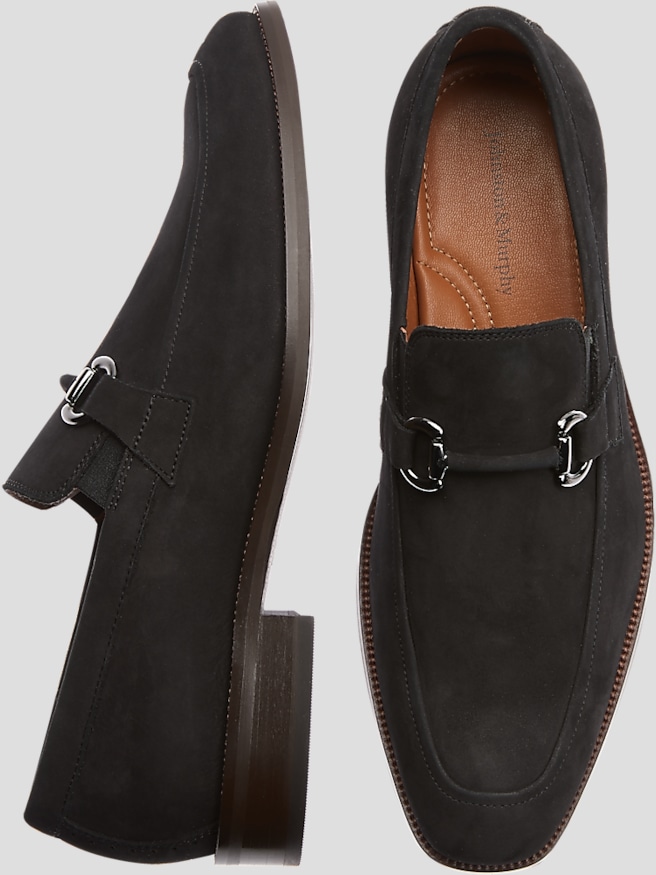
Men’s size 11 loafers are slip-on shoes that combine the ease of a laceless design with styling suited to everything from tailored trousers to casual chinos. The size identifies the shoe’s length category, but a comfortable fit also depends on width, toe shape, instep height, and how securely the heel sits. Two pairs marked size 11 can feel noticeably different because their underlying shapes and construction are not identical. A rounded toe may give the front of the foot more breathing room, while a tapered profile can create a sleeker appearance without necessarily providing the same interior space. For someone with a broader forefoot, an appropriate width matters more than moving up in length, which can leave the heel loose and make the foot slide forward. Because loafers have no laces to adjust, the upper should hold the midfoot comfortably without pressing hard across the instep. Toes should have room to move without hitting the front, and the heel should remain reasonably secure through a normal walking stride. Persistent slipping, pinching, or pressure across the toes signals a fit issue rather than something to overlook for the sake of appearance. Trying on shoes with the socks intended for everyday wear gives a more useful impression than testing them with a much thicker or thinner pair. Dress socks, cushioned socks, and low-profile liners each change the space inside the shoe. Checking both feet is equally important, since one foot may be slightly larger than the other. A few steps across a room can reveal whether the heel lifts excessively or the upper digs into the top of the foot. For anyone who wears orthotics, interior depth and a removable footbed may also matter. Size 11 loafers should feel secure and wearable from the start; although some materials soften with use, breaking them in should not mean enduring painful pressure or expecting the shoe to become longer.
Material and construction influence how loafers look, feel, and hold up to repeated wear. Smooth leather lends itself to a polished finish and can develop creases and character over time, especially across the area where the foot bends. Suede has a softer, textured appearance that works naturally with less structured clothing, though it needs its own cleaning tools and more careful handling around spills. Neither material tells the whole story on its own: lining, stitching, sole design, and the shape of the footbed all affect the wearing experience. A soft lining can reduce friction, while seams positioned against sensitive areas may become noticeable during a long day. Cushioning can make standing more comfortable, but a plush feel at the first fitting does not replace adequate room or a stable fit. Sole choice also deserves attention. Rubber soles can provide flexibility and grip, depending on their compound and tread pattern, while leather soles offer a traditional appearance and may feel smoother underfoot. Traction varies with the surface, so an attractive outsole should still suit the places the shoes will be worn. Someone moving between a desk, conference rooms, and a restaurant may have different priorities from someone who spends hours walking across a large workplace. Durability benefits from straightforward care rather than complicated routines. Dust and surface dirt should be removed before they settle into seams or abrade the finish. Smooth leather generally responds well to a soft cloth and a suitable conditioner used according to its directions; polish can help maintain color and finish when appropriate. Suede is better maintained with a dedicated brush and compatible cleaning products rather than ordinary leather polish. Any cleaner or protector should first be tested in an inconspicuous area. Letting shoes dry naturally, keeping them away from direct heat, and using properly fitted shoe trees can help preserve their shape. Rotating between pairs also gives linings time to air out, while checking heels and soles for uneven wear helps identify maintenance needs before they affect comfort.
The appeal of size 11 loafers extends beyond convenience: their relatively clean silhouette can connect clothing with different levels of formality. Penny loafers, recognized by the strap across the vamp, bring a restrained look to office outfits and relaxed tailoring. Tassel details add movement and a more decorative finish, while metal-bit accents introduce a distinct focal point. These are style choices rather than rules about who can wear them. With a navy suit, a streamlined leather loafer can look considered and professional when the workplace or event dress code allows it. With chinos and a tucked-in button-down shirt, the same general silhouette feels less formal without looking unfinished. Suede loafers pair especially well with textured trousers and an unstructured jacket, creating an outfit with a softer visual character. Black tends to read as sharper and more formal, while brown shades can complement navy, gray, olive, and earth-toned clothing. The finish and shape matter alongside color: a substantial sole creates a different effect from a slim profile, even when both shoes are the same shade. Trouser length helps complete the look, since excessive fabric pooling around the shoe can hide the details that make a loafer distinctive. For weddings, business dinners, graduations, or other occasions, the invitation and setting should guide the level of dress; a loafer is not automatically appropriate for every formal dress code. As a gift, loafers can be useful for a graduate building a work wardrobe, a partner refreshing everyday footwear, or a family member who prefers slip-on shoes. Confirming the recipient’s usual size, width, and style preferences makes that choice more thoughtful. For a recipient who normally wears a U.S. men’s 7, Size 7 Loafers are a more appropriate starting point. For the size 11 wearer, the strongest choice balances dependable fit, suitable materials, and a shape that feels at home with clothing already worn regularly.