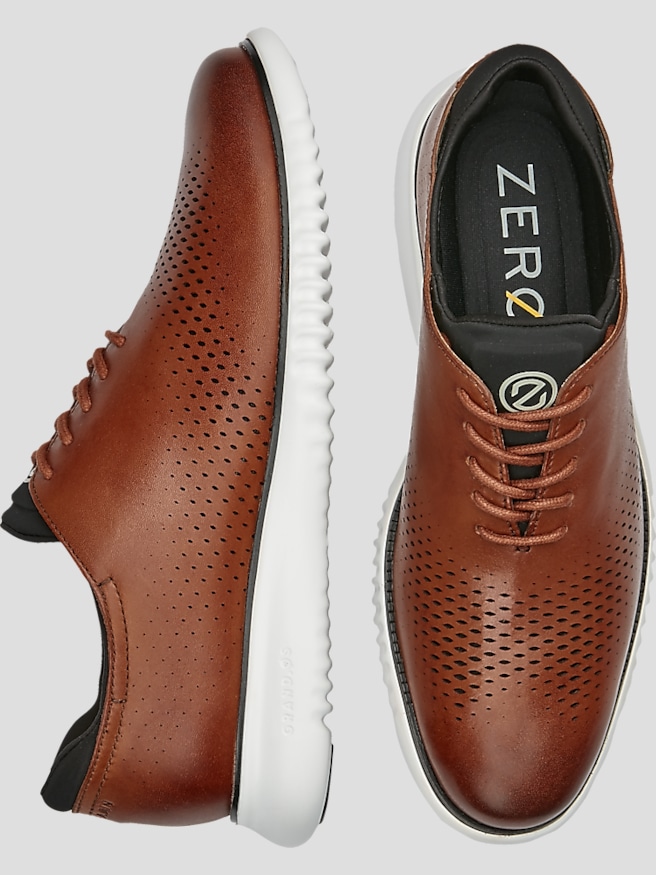
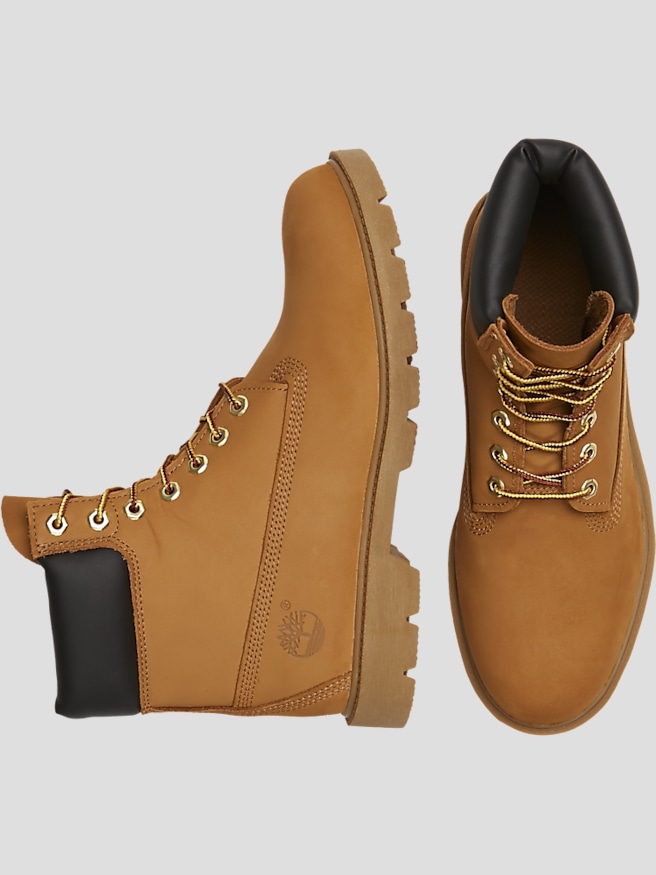
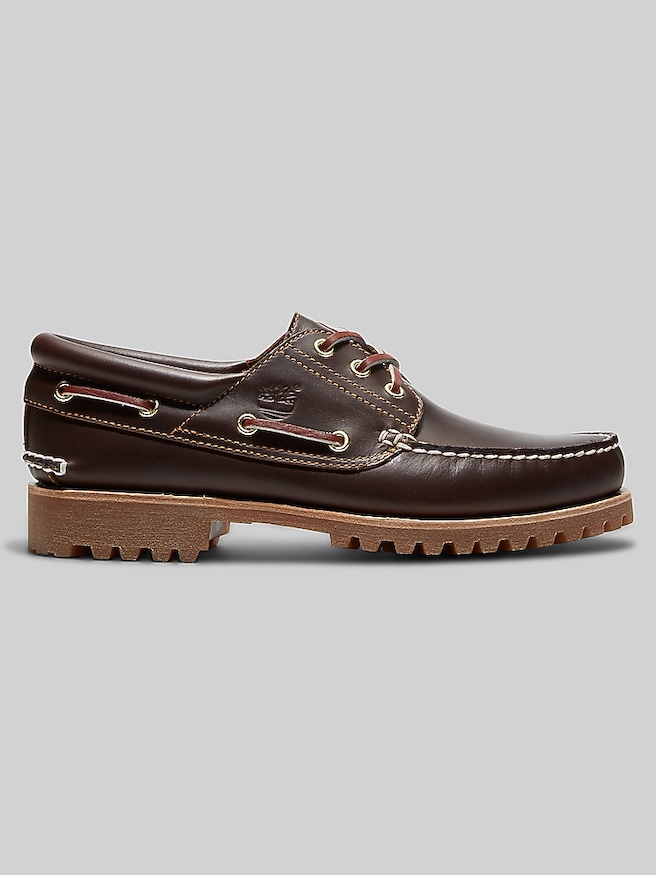
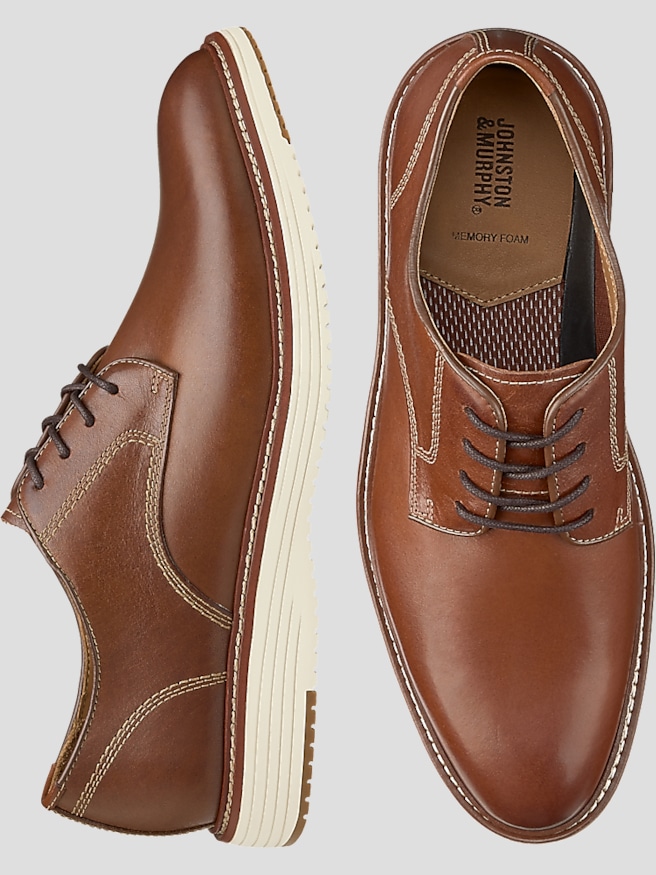
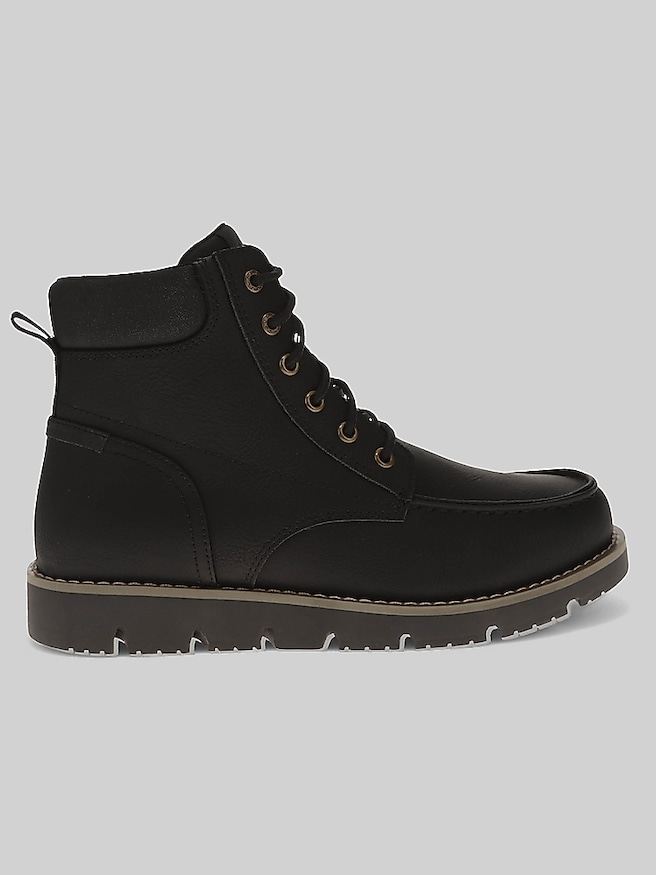
Size 12 boots offer the room, support and dependable coverage many men need for workdays, weekends and time outdoors. This size can be especially useful for anyone who prefers a little more space through the toe box, wears thicker socks during the cooler months or spends long hours on their feet. A well-chosen pair should feel secure at the heel while allowing the toes to rest naturally without pressing against the front or sides. When comparing styles, pay attention to the boot’s listed width as well as its length, since a standard medium fit may feel very different from a wide option. Lace-up boots allow for a more adjustable fit across the instep, while pull-on styles can be convenient for quick changes and everyday wear. Consider the socks you expect to wear, too: lightweight dress socks call for a closer fit, while wool or cushioned work socks may require additional interior room. It is also helpful to check the construction around the ankle, the flexibility of the upper and the shape of the toe. A boot that bends comfortably near the ball of the foot can feel much easier to wear during a full day than one with a stiff, unyielding upper. For shoppers building a practical wardrobe, size 12 boots can serve as a reliable foundation when sneakers are too casual or when changing weather calls for more coverage. Those looking for a lighter everyday alternative can also explore Size 12 Sneakers for casual outfits and less demanding conditions.
Different boot designs are suited to different routines, and identifying the intended use helps narrow the selection. Work boots are made for demanding environments and may feature steel or composite safety toes, electrical hazard protection, reinforced stitching and slip-resistant rubber outsoles. These details can provide useful protection on job sites, in workshops or anywhere floors may be wet, uneven or covered with loose material, although workplace safety requirements should always be checked before purchase. Hiking boots typically focus on traction, stability and weather resistance, with lugged outsoles that help grip dirt and rock, supportive midsoles that soften repeated impact and waterproof or water-resistant membranes that help keep feet comfortable through damp grass and light precipitation. A hiking style can also be a practical choice for yardwork, travel or long walks when ordinary shoes do not provide enough structure. Casual leather boots bring a different kind of versatility, pairing easily with denim, chinos, cords and heavier seasonal layers. Smooth leather can create a cleaner appearance for dinners or relaxed office settings, while distressed finishes, contrast stitching and rugged soles lend a more outdoors-inspired character. Winter-ready boots place greater emphasis on insulation, sealed construction and traction for cold, wet conditions. Look for a warm lining, a sole designed to maintain grip and enough room to wear substantial socks without making the foot feel cramped. Waterproofing can help during rain and slush, but no boot should be treated as completely impervious unless its construction specifically supports that claim. Across all categories, cushioning and arch support matter most when boots will be worn for extended periods. A comfortable footbed, shock-absorbing midsole and stable heel can make a noticeable difference by the end of a long shift or a day spent exploring a new trail.
Size 12 boots can make a thoughtful gift for a partner, family member, college student, tradesperson or outdoor enthusiast, particularly when the recipient’s size and preferred activities are known. They are practical for someone preparing for a new job, replacing worn footwear before the cooler season or spending more time outside. For a gift, neutral colors such as black, brown, tan or gray tend to be easier to coordinate with an existing wardrobe, while a classic lace-up profile can work across several settings. If the recipient spends mornings commuting, choose a style that balances weather protection with a polished appearance. Someone who works with tools, machinery or materials may appreciate safety features and a durable outsole more than decorative details. For frequent travelers and hikers, lighter construction can reduce fatigue when boots are packed, worn through airports or used on uneven ground. Before ordering, confirm whether the wearer normally buys a standard or wide width and review the retailer’s fit and return information, especially when the boots have a structured toe or insulated lining. New leather boots may feel firm at first and often soften with regular wear, but they should not cause sharp pressure points or numbness. Breaking them in gradually around the home and on shorter outings can help reveal how they feel before a demanding day. Basic care also extends the life of size 12 boots: brush away dirt after use, allow damp footwear to dry naturally away from direct heat, refresh leather with an appropriate conditioner and follow the care instructions for waterproof materials. Rotating pairs gives each one time to air out, while clean, dry socks help reduce moisture and odor. With the right combination of fit, construction and intended use, size 12 boots can provide steady comfort and dependable protection from early fall’s crisp mornings through the wetter, colder conditions that follow.