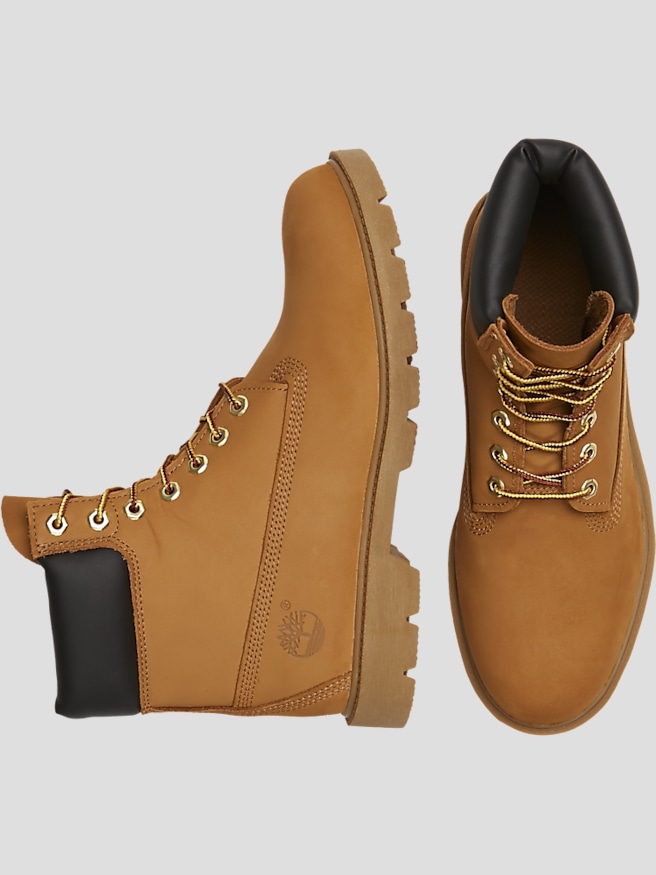
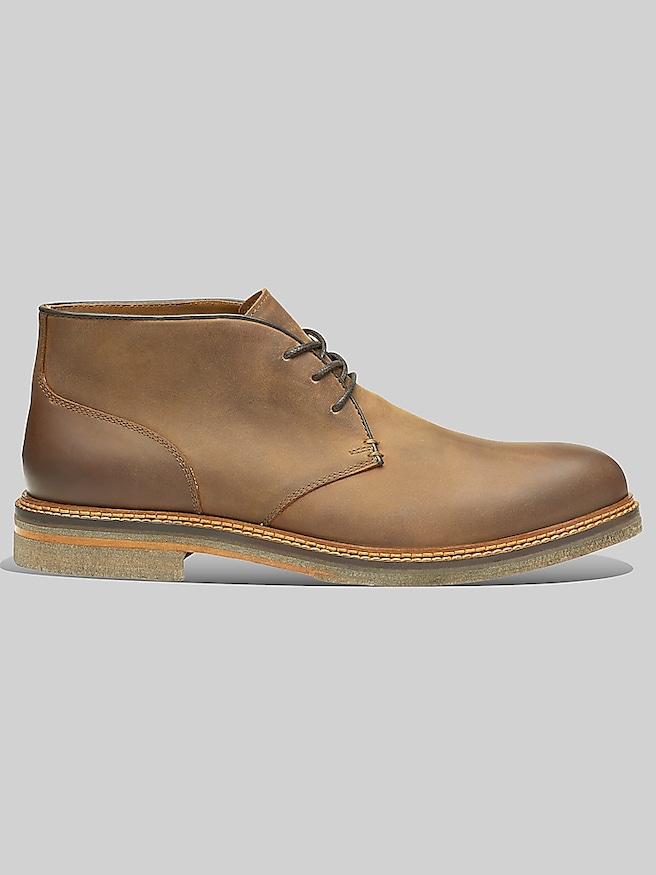
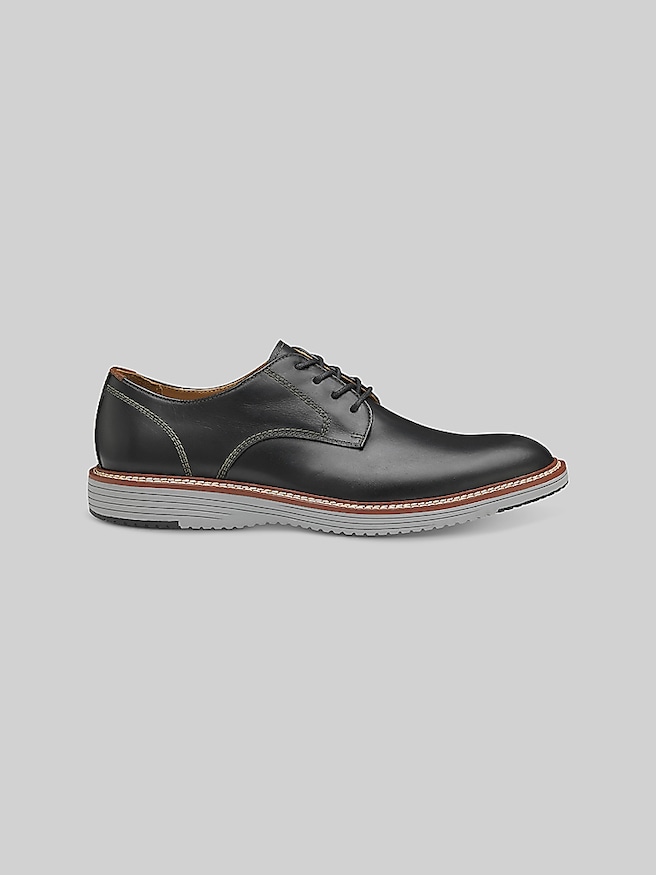
Men’s size 12 black boots offer a dependable foundation for cooler-weather dressing, combining a versatile color with the support and coverage many men want from their everyday footwear. Black boots can move easily between casual and polished settings, pairing with dark denim, chinos, five-pocket pants, or tailored trousers depending on the shape and finish. A streamlined Chelsea boot or lace-up dress boot can bring a refined edge to an evening outfit, while a rugged leather or synthetic pair is well suited to weekend errands, outdoor walks, and everyday wear. Hiker-inspired boots add traction and a more substantial profile, western-inspired boots contribute distinctive stitching and a pointed or rounded toe, and duty or tactical styles are designed with practical details such as durable uppers, supportive ankle construction, and outsoles made for dependable footing. For men who spend long hours on their feet, work boots may provide additional cushioning, reinforced toe protection, oil-resistant traction, or water-resistant construction. The right choice depends on where the boots will be worn, the amount of walking involved, and the level of structure needed throughout the day. Black is especially easy to coordinate during the cooler months: it complements charcoal, navy, olive, brown, and denim, and it can create a clean visual line when matched with a black belt or other dark accessories. A well-chosen pair may serve as a practical gift for a partner, son, brother, father, colleague, or friend, particularly when the recipient appreciates useful wardrobe staples rather than something reserved for occasional wear. Since footwear fit is personal, checking the recipient’s usual size, preferred width, and favorite boot style can make the gift more comfortable and useful. Men who need a different size can also explore Men's Size 11 Boots for additional options.
When shopping for men’s size 12 black boots, start with the intended setting and then compare the construction details that support that use. Dress boots typically have a slimmer silhouette, a smooth upper, and a less aggressive outsole that works well with trousers or smart-casual outfits. Casual boots may include padded collars, flexible soles, and roomier shapes for regular wear, making them a natural choice for commuting, dining out, or walking around town. Work and outdoor boots often emphasize durability, with reinforced stitching, protective toe designs, deeper tread, and materials that can handle uneven surfaces or changing conditions. A steel-toe or composite-toe style may be appropriate for certain job sites, but safety footwear should always meet the requirements of the wearer’s workplace rather than being selected by appearance alone. Waterproof or water-resistant construction can help during wet walks and damp commutes, although no boot eliminates the need for proper care or guarantees dry feet in every condition. Look for a gusseted tongue, sealed seams, treated leather, or a waterproof membrane when moisture protection is important, and remember that water-resistant finishes may need to be refreshed over time. The outsole matters just as much as the upper. Rubber soles can provide useful traction on slick sidewalks, packed ground, and wet pavement, while lugged soles are better suited to rougher outdoor surfaces. A lighter sole may feel more flexible for daily walking, whereas a heavier work outsole can offer added stability and wear resistance. Inside the boot, consider cushioning, arch support, heel hold, and toe-room. Size 12 does not feel identical across every last or manufacturer, so a comfortable fit should allow the toes to move without the heel lifting excessively. Trying boots on with the socks they will actually be worn with is a simple step that can prevent pressure points. Thicker wool or performance socks may be helpful during colder weather, but they also require enough interior space. Lace-up designs offer adjustable security around the instep, side zippers make entry easier, and pull-on styles can be convenient when a quick change is part of the daily routine.
A black boot should feel like part of a man’s real wardrobe, not an item that stays untouched because it is too formal, too heavy, or too difficult to maintain. For a polished office-to-evening look, wear a sleek pair with pressed trousers and a textured sweater, sport coat, or button-down shirt. With jeans, a sturdier toe and visible sole can create a relaxed, confident appearance without looking overdone. During the cooler months, black boots work naturally with layered flannel, wool overshirts, quilted jackets, and longer coats, while their covered construction offers more protection than low-profile shoes when the weather turns brisk or damp. Before the first extended outing, wear a new pair around the house or on short walks so the upper can begin to conform without creating discomfort during a full day away. Keep leather clean with a soft brush or cloth, use a conditioner suited to the finish, and allow damp boots to dry away from direct heat, which can cause leather to stiffen or crack. Synthetic uppers may need only gentle cleaning, but the care instructions should still be followed to preserve the color and protective treatments. Rotating boots with other footwear gives the interior time to air out and helps reduce uneven wear. Insoles can sometimes improve cushioning, but they should not crowd the toe box or change the heel fit. Pay attention to the tread as it wears, especially if the boots are used for work, travel, or wet conditions. Whether chosen for daily commuting, outdoor tasks, casual weekends, formal gatherings, or a thoughtful gift, men’s size 12 black boots provide a flexible combination of coverage, durability, and personal style. Comparing boot height, closure, material, toe shape, sole design, and protective features makes it easier to find a pair that feels natural from the first step and remains useful as the season moves through cooler, wetter days.