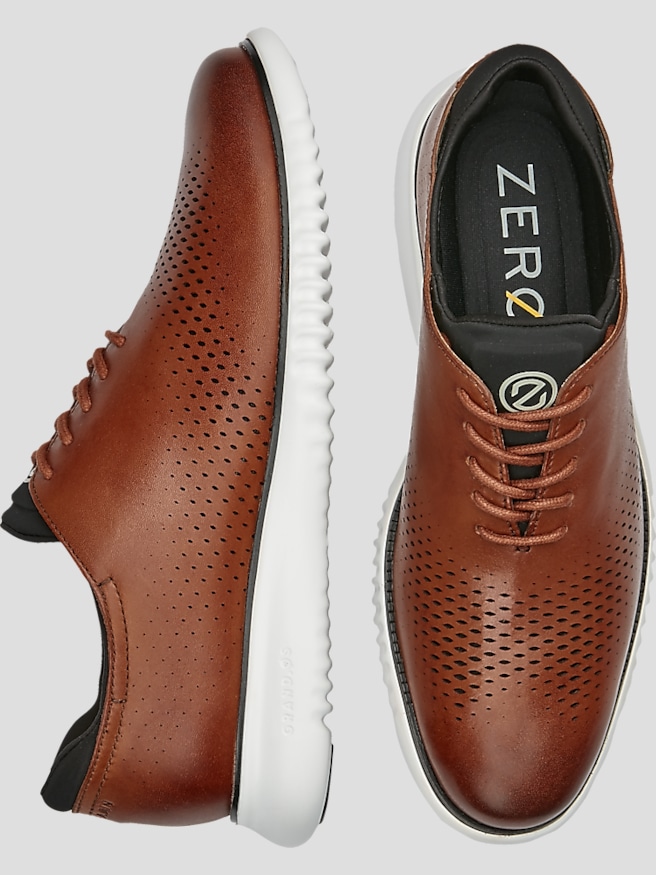
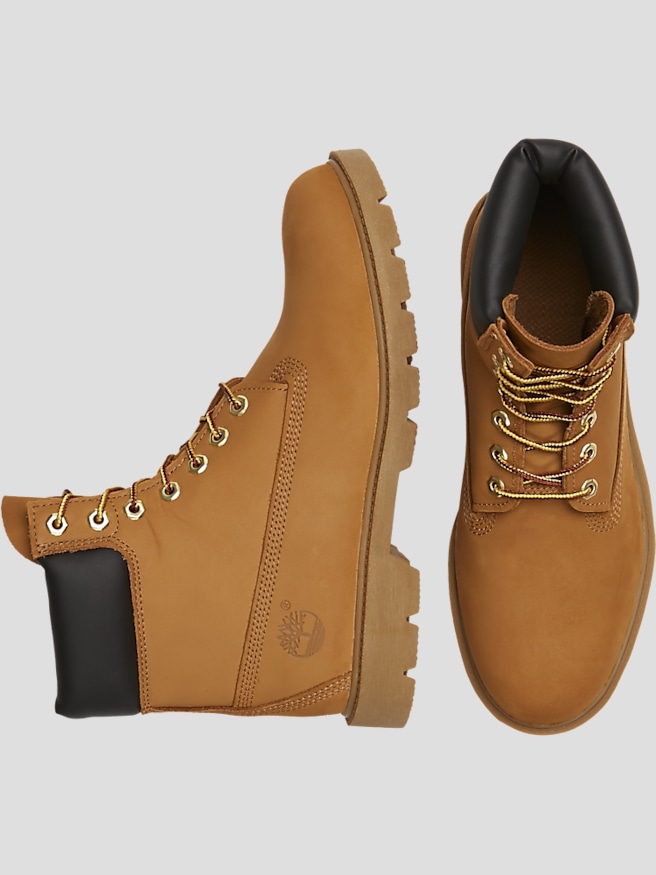
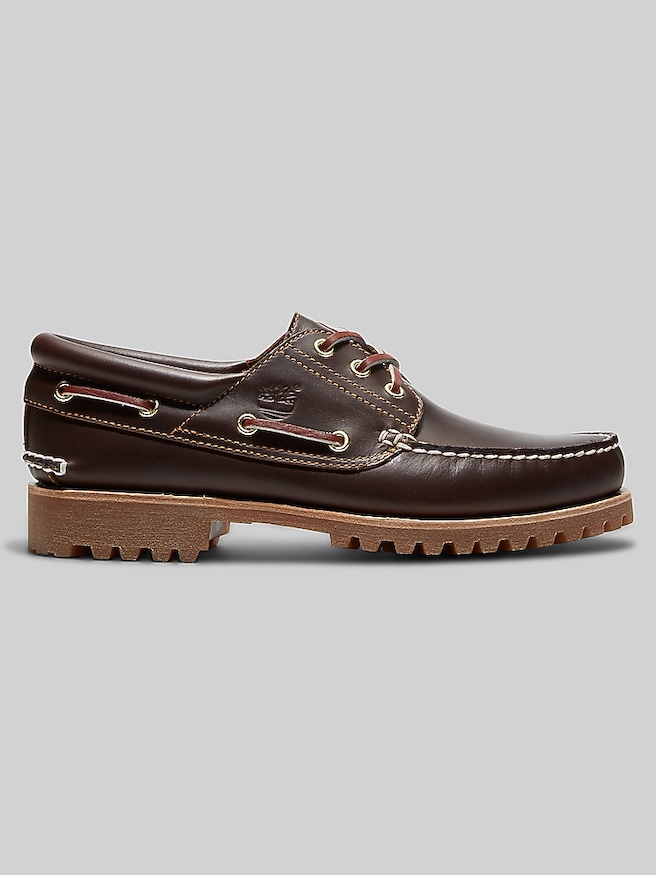
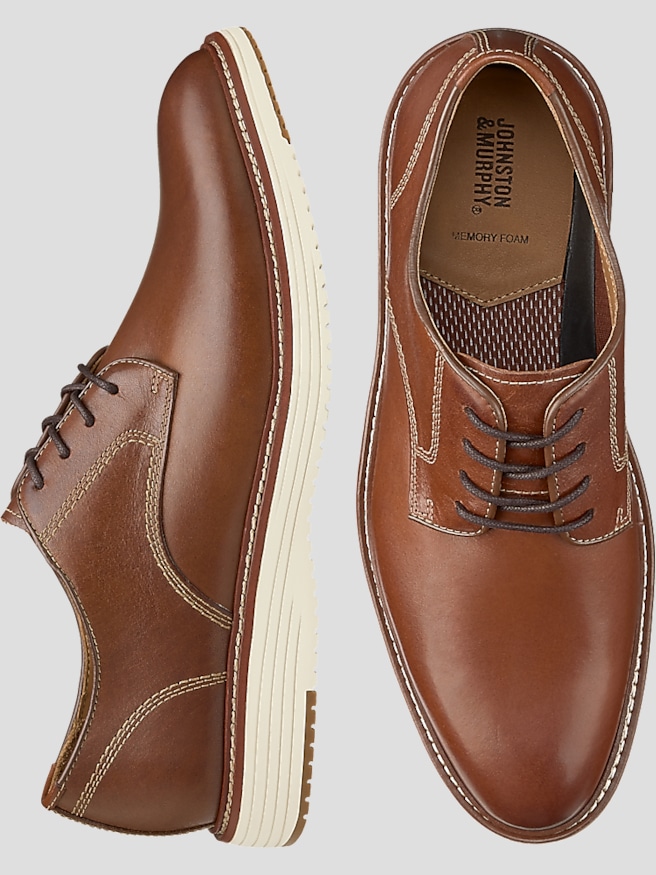
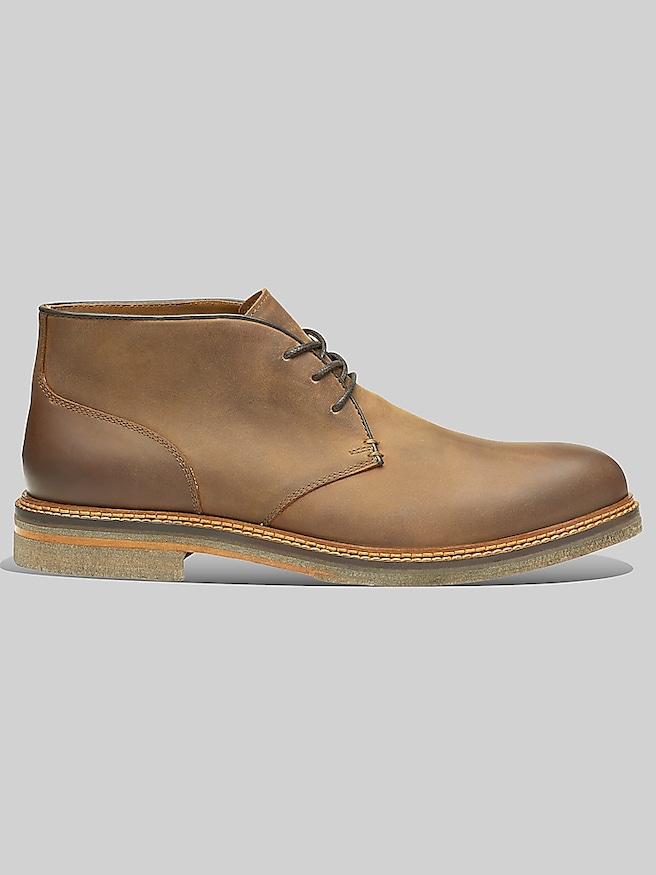
When it comes to finding the right pair of men’s size 11 boots, comfort, durability, and style all play a significant role in the decision-making process. Whether you’re seeking reliable footwear for everyday wear, outdoor adventures, or a smart-casual look that transitions seamlessly from the office to weekend outings, size 11 boots offer a blend of versatility and support. Many men find that boots in this size provide the perfect balance between a secure fit and ample room, making them ideal for long days on your feet. From classic leather lace-ups to rugged work boots and sleek Chelsea silhouettes, there’s a style to suit every taste and occasion. As the weather shifts from the fresh mornings of early summer to the crisper days of fall, boots become an essential part of any wardrobe, offering protection against the elements while maintaining a polished appearance. For those navigating city streets, exploring the outdoors, or simply seeking a dependable pair of shoes for everyday errands, men’s size 11 boots deliver both function and fashion.
Gifting a pair of boots in size 11 can be a thoughtful gesture for birthdays, Father’s Day, or as a practical surprise for someone embarking on a new job or heading off to college. Boots are a timeless gift that combines style with utility, making them suitable for men of all ages and lifestyles. For individuals who spend time outdoors, mens rain boots size 11 are a practical choice, providing waterproof protection during sudden downpours or muddy conditions. Likewise, those who appreciate a refined look for evenings out or business-casual settings may gravitate toward dressier boot options, which pair well with tailored trousers, dark denim, or even a suit. The versatility of 11 boots means they can be worn across a range of activities, from hiking and travel to social gatherings and daily commutes. Investing in quality construction—such as genuine leather uppers, cushioned insoles, and slip-resistant soles—ensures that your boots will stand up to regular use and changing weather, keeping you comfortable and confident wherever the season takes you.
As you explore the variety of men’s size 11 boots available, consider how different materials and designs can complement your wardrobe and meet your specific needs. Breathable linings are ideal for warmer days, while insulated or waterproof styles provide extra comfort as the temperatures cool and the weather becomes less predictable. For those who appreciate both tradition and modern flair, boots offer a canvas for personal expression—whether you prefer classic brown or black leather, bold suedes, or rugged, utilitarian finishes. And if you find yourself between sizes or looking for a slightly roomier fit, you might also be interested in exploring options like Men's Size 11.5 Chukka Boots for even more comfort and style. With thoughtful consideration of fit, function, and design, your next pair of size 11 boots can become a staple in your wardrobe, ready to take on the demands of the season and beyond.