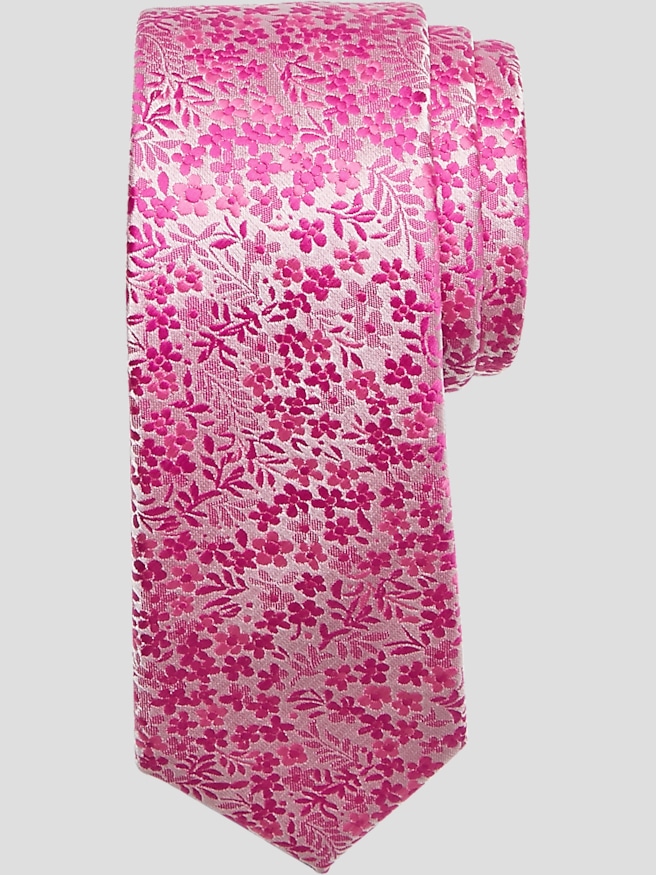
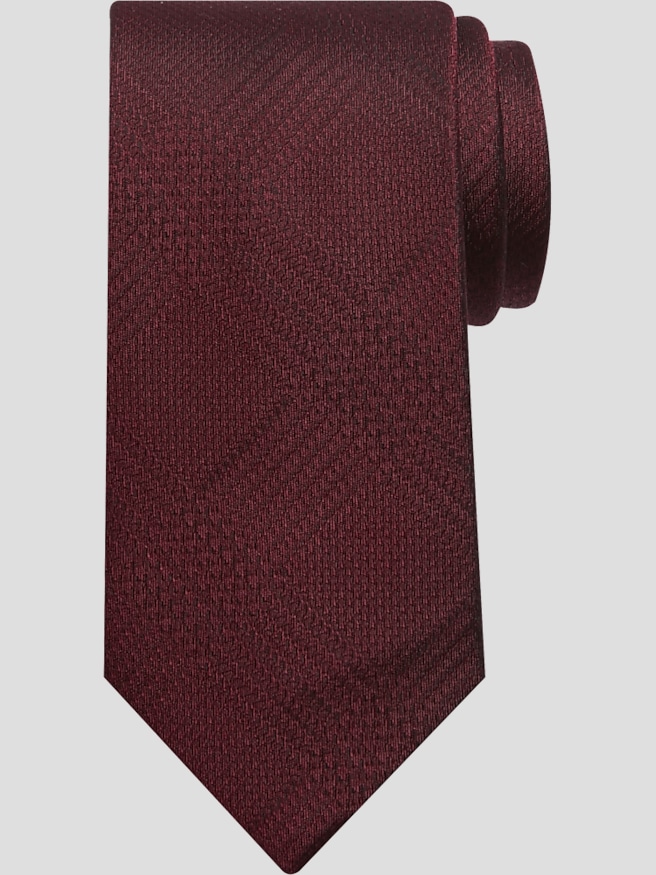
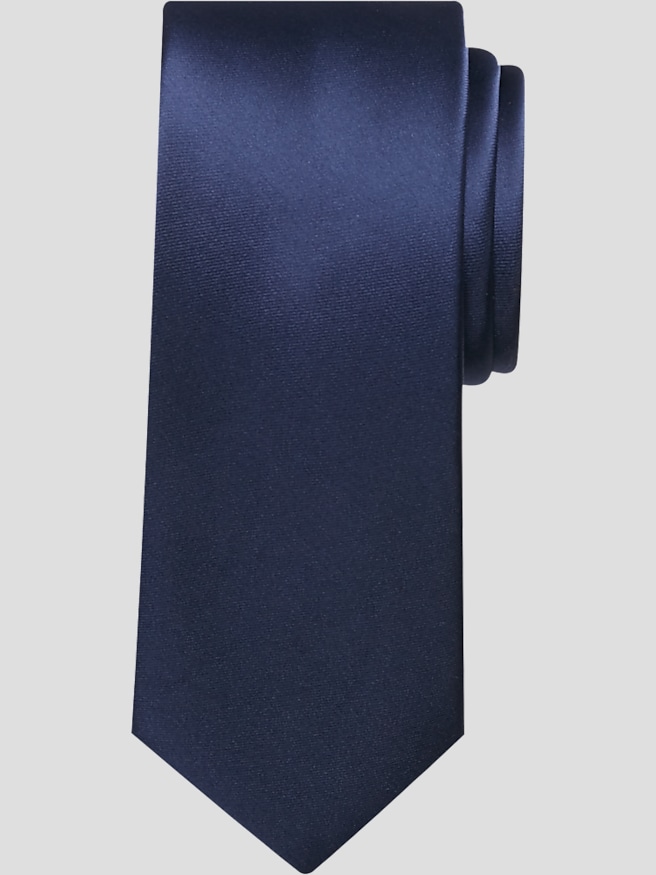
Silk paisley ties bring movement and depth to tailored clothing, pairing the natural luster of silk with a pattern that feels both established and expressive. The familiar curved, teardrop-shaped motif has roots in Persian and South Asian textiles, while its English name comes from the Scottish town known for producing patterned shawls. On a necktie, those intricate shapes create an effect that changes with distance: subtle texture across a room, then a richer arrangement of curls, outlines, and small decorative details up close. That makes paisley especially useful when a solid tie feels too plain but a bold geometric pattern would dominate the outfit. A navy ground with restrained blue accents can sit comfortably with business tailoring, while burgundy, gold, or green details add a more distinctive focal point against a simple shirt. Color contrast matters as much as the motif itself. Closely related shades create a quieter impression; sharply contrasting outlines make each shape more pronounced. Silk contributes its own dimension, catching light along the folds of the knot without needing an overly glossy finish. Printed silk can carry exceptionally fine lines and intricate color combinations, while woven jacquard creates pattern through the fabric structure, often adding a more tactile surface. Neither approach determines quality on its own; the character of the cloth, the construction, and the way the tie hangs all matter. A smooth drape allows the blade to settle cleanly against a shirt, while balanced construction helps the tie hold a knot without feeling stiff. The appeal of Cool Silk Ties often rests on that combination of polished fabric and individual character. Paisley offers both, with enough visual detail to refresh familiar tailoring and enough history to feel at home beside a classic suit.
Proportion gives a silk paisley tie much of its finished appearance. The width of the blade generally looks most balanced when it relates to the width of the jacket lapels, rather than appearing noticeably narrower or broader. Length matters just as much: with the knot comfortably secured at the collar, the front tip should reach approximately to the waistband. Height, torso length, neck size, and knot choice all affect how much fabric is needed to reach that point. A larger knot uses more length and creates a fuller shape beneath the chin, while a compact four-in-hand leaves more fabric in the blade and suits many moderately spaced collars. Thicker woven silk may produce a substantial knot without much extra wrapping; a lighter fabric can create a neater result when the collar opening is smaller. A small dimple beneath the knot can give the silk a natural fold rather than a flattened appearance. Pattern scale helps the rest of the outfit fall into place. Larger paisley motifs have room to stand out against a solid shirt, while smaller, closely spaced designs can read almost like texture beneath a jacket. When paired with checks or stripes, paisley usually looks more intentional if the patterns differ clearly in scale. A fine blue stripe, for example, leaves visual space for a broader burgundy paisley, especially when a small accent in the tie echoes the shirt. With a charcoal suit and a crisp white shirt, the tie can carry most of the color without competing with other details. A pocket square does not need to repeat the same print; a plain white fold or a subtle coordinating shade often keeps the combination more relaxed and considered. The goal is a clear focal point, with the tie adding interest while the shirt and jacket provide a steady background.
That balance makes silk paisley ties useful for professional settings, weddings, anniversary dinners, and other occasions that call for a considered appearance. For a presentation or interview, a restrained palette and smaller motif can add depth without distracting from the conversation. At a wedding, a richer pattern can connect the suit to the celebration through a shared accent color without requiring every accessory to match. Photographs also bring out the distinction between a low-contrast design and a brighter one, particularly when the tie sits against a plain shirt. As a gift, paisley can suit someone who enjoys classic tailoring but appreciates a detail with personality. The recipient’s usual suit colors and preferred tie width offer better clues than choosing the most elaborate pattern alone. Someone who wears mostly navy and gray may find blue, burgundy, or muted gold accents easy to incorporate, while a person comfortable with stronger color may appreciate a more pronounced contrast. Good care helps preserve that character over repeated wear. Silk is a fine natural fiber, so friction, spills, and prolonged pressure deserve attention even when the tie feels substantial. After wearing, gently reversing the knot rather than tugging the narrow end through it reduces unnecessary strain on the fabric and seams. Storing the tie fully untied, either hanging smoothly or loosely rolled, helps prevent persistent creases. A crowded drawer or a sharp fold can leave marks that are difficult to remove safely. Food and drink stains are best handled according to the care label, with professional cleaning when recommended; rubbing the surface or adding water can spread a mark or alter the finish. Direct heat can also damage silk, so pressing requires particular caution. With thoughtful handling and time to rest between wears, a well-made silk paisley tie can remain a dependable finishing detail, bringing color, texture, and a sense of intention to outfits worn for important conversations and memorable occasions alike.