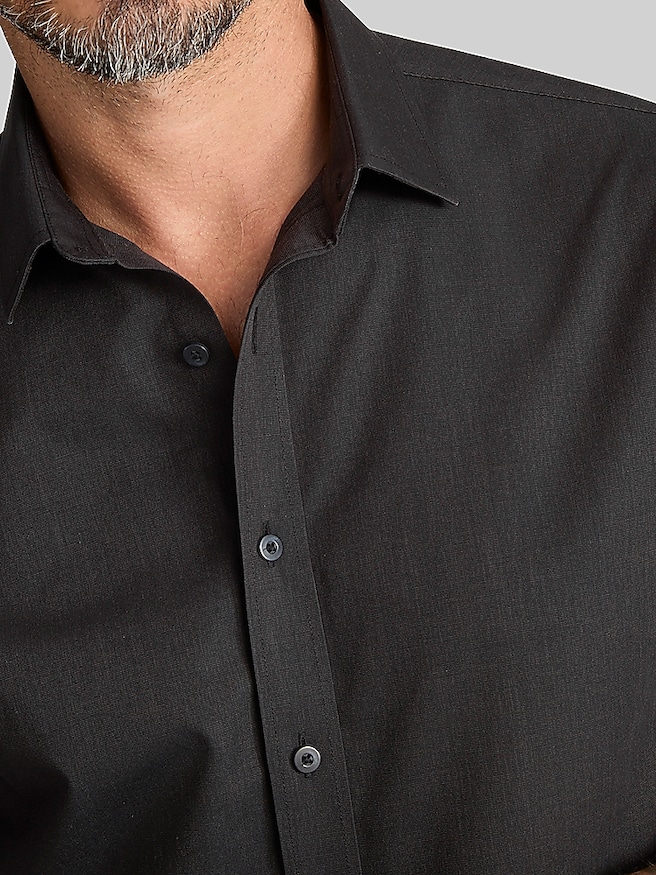
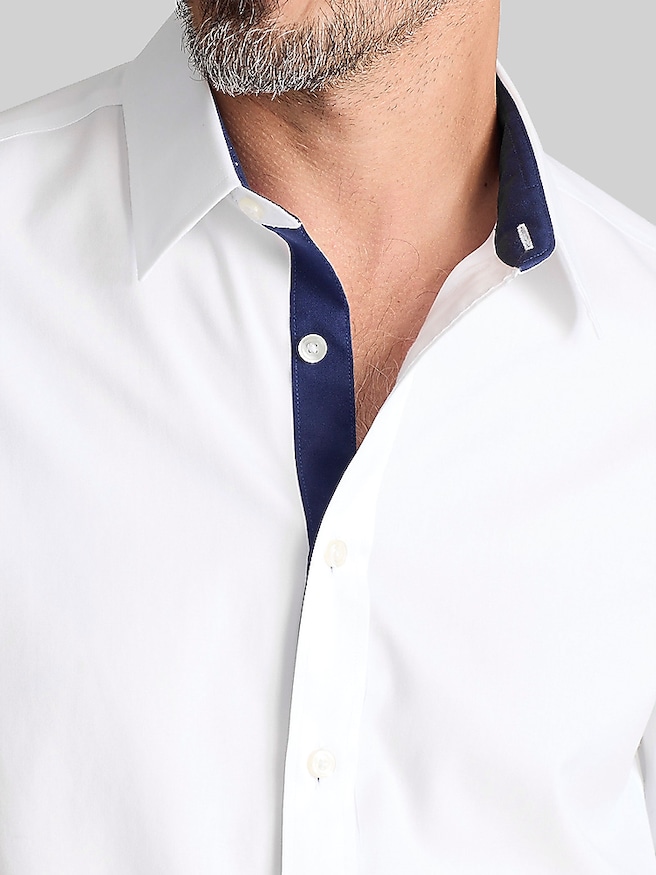
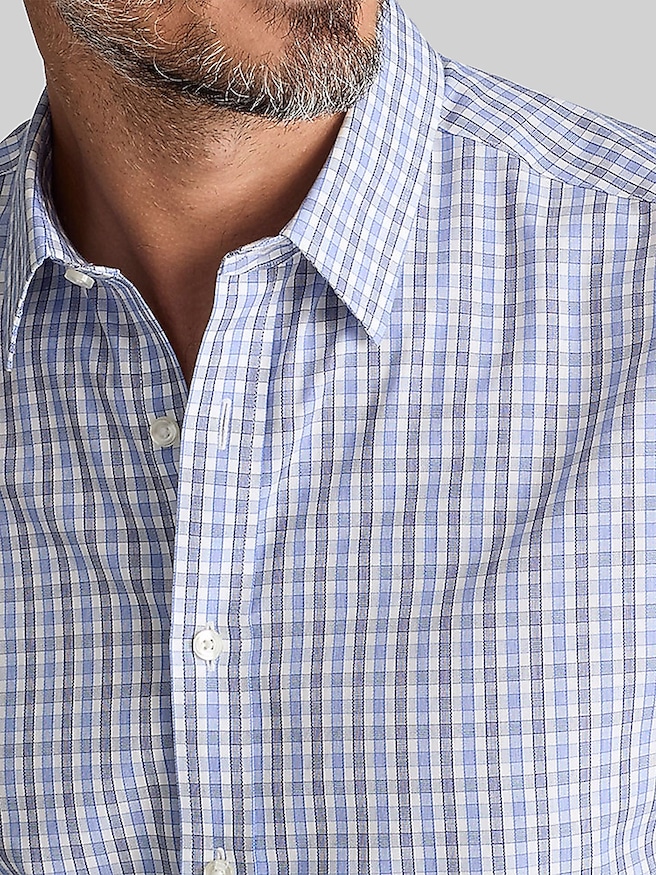
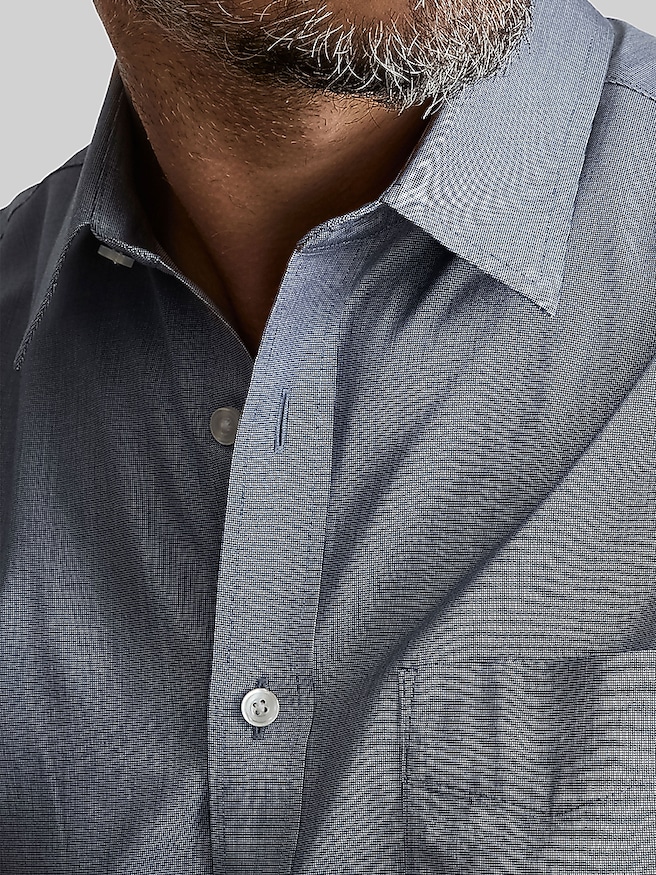
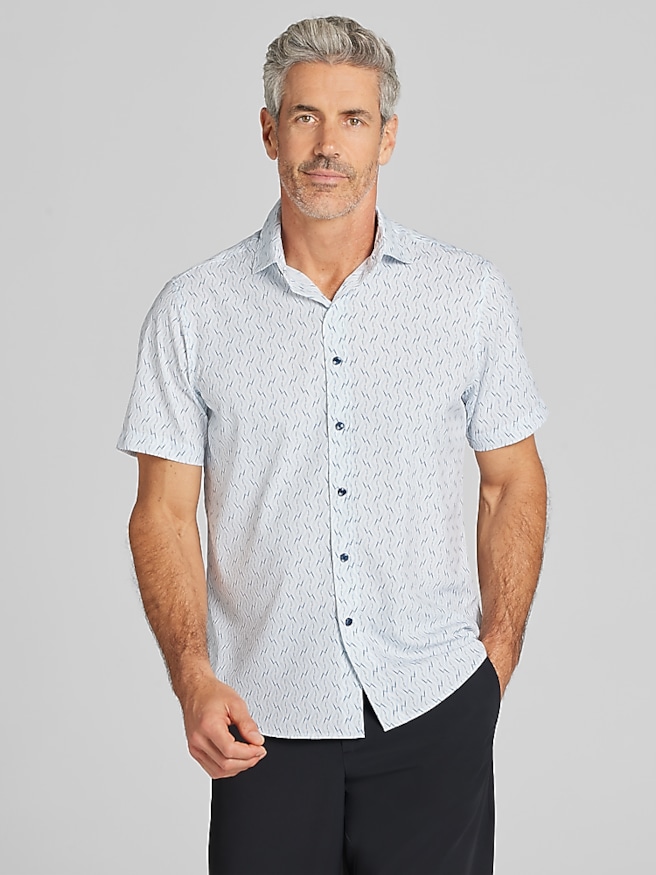
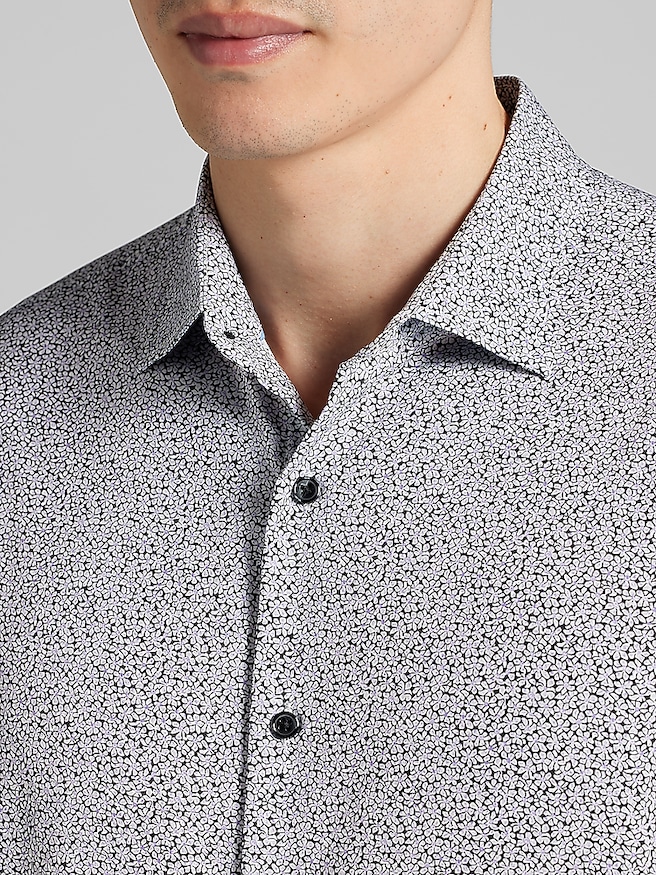
Short sleeve Cuban collar shirts bring an easy, open-neck shape to casual dressing, with a flat, notched collar that lies away from the neck rather than standing upright like a traditional dress shirt collar. Often called camp collar shirts, they typically combine a button front, short sleeves, and a relaxed silhouette, creating a look that feels comfortable without looking unfinished. The collar is the defining detail: its small lapels frame the neckline and give the shirt a distinctive character even in a simple solid color. Although closely associated with resort dressing and warm climates, this style also works for indoor gatherings, casual dinners, and trips to milder destinations during the cooler months. A solid shirt with tailored chinos can look composed at a neighborhood restaurant, while a subtle stripe or geometric print adds personality to an otherwise understated outfit. The overall effect depends as much on fabric and proportion as on pattern. A softly draped shirt feels fluid and laid-back; a crisp woven version gives the same open collar a more structured appearance. Neither needs a tie, and the neckline generally looks best when allowed to sit naturally rather than being pulled tight beneath another layer. Cuban collar shirts also differ from traditional guayabera shirts, which are known for decorative vertical detailing and multiple front pockets; the names should not be treated as interchangeable. For anyone drawn to relaxed travel clothing, Short Sleeve Vacation Shirts offers a related category to explore alongside this distinctive collar shape. Beyond travel, the appeal is straightforward: these shirts offer more definition than a basic tee while keeping the ease of a casual short-sleeve top. They suit men who enjoy vintage-inspired details, minimal wardrobes, or a little pattern, with enough versatility to move from a quiet afternoon gathering to dinner without a complete outfit change.
Fabric makes a noticeable difference in how a short sleeve Cuban collar shirt hangs, feels, and holds its shape through repeated wear. Cotton often provides a familiar, breathable feel with enough body to keep the collar and button front defined, although weight and weave influence whether it feels crisp or soft. Linen has an airy hand and visible texture, with natural creasing that belongs to its relaxed appearance rather than signaling poor care. Cotton-linen blends can balance those qualities, offering some of linen’s texture with a slightly more substantial feel. Rayon and viscose fabrics are known for fluid drape, which lets the shirt fall softly across the torso instead of holding a boxier outline. Depending on their construction, they may need gentler washing and careful drying to help preserve their size and surface. Blends containing synthetic fibers can contribute wrinkle resistance or shape retention, but fiber content alone does not determine breathability; a dense weave may feel warmer than a lighter, more open construction. Textured weaves and knits add another dimension, giving solid colors visual depth without a large print. Fit is equally important because a relaxed cut should allow movement without overwhelming the frame. On a conventional silhouette, shoulder seams sitting near the edge of the shoulder help the sleeves hang cleanly, while intentionally dropped shoulders create a roomier effect. The button front should lie flat when sitting, reaching, or crossing the arms, rather than pulling into gaps across the chest. Sleeves need enough space around the upper arm to move comfortably, and their length changes the balance of the shirt: a mid-upper-arm sleeve reads differently from one that approaches the elbow. For untucked wear, a hem that covers the waistband without extending too far down the thighs usually keeps proportions balanced. A straight hem emphasizes the casual shape, while side vents can make movement easier. Measurements and garment-specific fit descriptions are more useful than assuming every relaxed shirt will fit alike.
The strongest outfits let the Cuban collar remain the focal point while keeping the surrounding pieces simple. Dark chinos and clean leather sneakers give a patterned shirt a grounded everyday setting; lightweight trousers and loafers create a dressier combination for dinner or a gathering with a casual dress code. Dark denim works well with solid colors and smaller prints, especially when the shirt has enough texture to stand apart from the jeans. A plain crewneck tee underneath can add coverage at the open neckline, provided the layers have enough room to sit smoothly and the tee does not bunch through the sleeves. During cooler weather, an unstructured jacket or roomy cardigan can extend the shirt’s use indoors and between destinations, though short sleeves alone are not a substitute for appropriate outerwear. The collar should lie comfortably beneath the added layer without folding into a bulky ridge. For offices, receptions, and celebrations, suitability comes down to the stated dress code: an open-collar short sleeve shirt belongs in relaxed settings, not as a replacement for formal evening attire or a required dress shirt and tie. It can also make a thoughtful gift for someone who likes weekend getaways, relaxed entertaining, or expressive prints, especially when the recipient’s usual measurements and preferred fit are known. Longevity depends on construction and care as well as fabric. Neat stitching, secure buttons, and cleanly finished seams are useful signs to examine, particularly around the underarms, side vents, and collar edges where movement and handling add stress. The care label should determine washing, drying, and ironing methods, since similar-looking shirts may use very different fibers or finishes. Excessive heat can cause shrinkage or damage some fabrics, and prompt attention to spills helps prevent stains from setting. When ironing or steaming is permitted, smoothing the button front and reshaping the collar can restore a tidy appearance without removing every trace of natural texture. Woven shirts often store neatly on hangers, while heavier knits may keep their shape better folded. Those small habits help preserve the easy drape and distinctive neckline that make this style worth reaching for repeatedly.