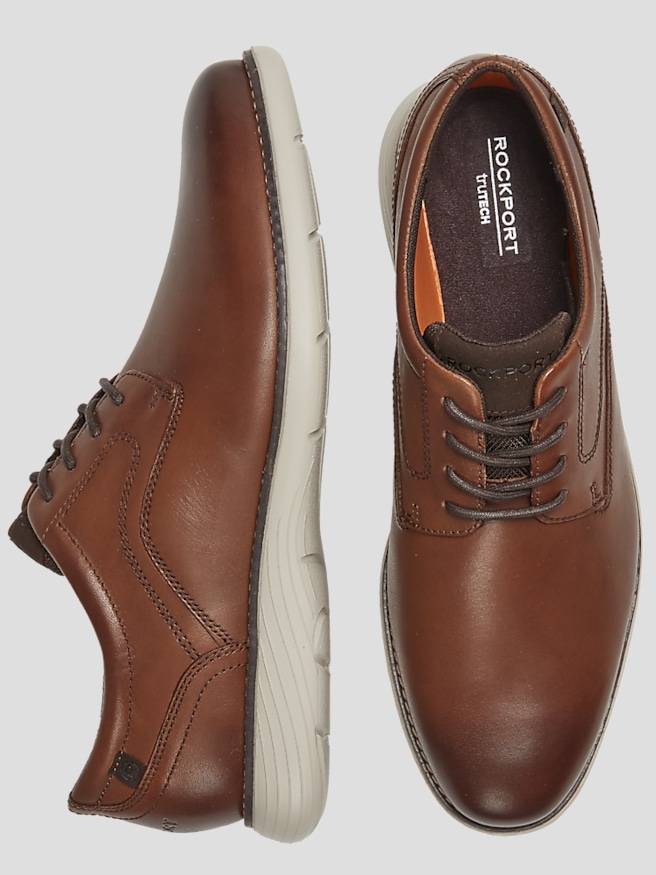
Comfort-focused men’s shoes bring together two everyday priorities: a polished appearance and a fit that feels good beyond the first few steps. A pair may need to look appropriate beneath tailored trousers at a morning meeting, stay comfortable through a walk to lunch, and still feel at home with dark jeans afterward. That versatility comes from the balance of shape, materials, and construction rather than any single feature. A streamlined upper and restrained stitching can give everyday footwear a dressier character, while a rounded toe and a more substantial sole often create a relaxed impression. Lace-up designs allow some adjustment across the top of the foot, which can be helpful when dialing in a secure fit. Slip-on shapes offer a clean look with fewer visible details, though their fit depends especially on how closely the heel and instep match the foot. For a dress-focused selection, Rockport Dressport Shoes provides a natural starting point for footwear intended to complement a more tailored wardrobe. In general, smooth leather and understated detailing pair easily with business clothing, while textured finishes can soften the formality of chinos or an unstructured jacket. Black footwear creates a crisp foundation for charcoal or dark gray trousers; brown tones can bring warmth to navy, tan, and earth-toned clothing. The shape of the shoe matters as much as its color. A lower-profile sole tends to sit neatly beneath a narrower trouser opening, while a fuller shape can balance a straighter leg. For office professionals, frequent travelers, and anyone whose schedule mixes seated work with time on foot, practical dress shoes fill an important space between highly formal footwear and athletic styles. They can also make a thoughtful gift for a graduate starting a career or someone refining an everyday wardrobe, particularly when their size, width, and preferred silhouette are already known. The best match reflects the way the shoes will actually be worn, not simply how they look on their own.
Materials and underfoot construction help explain how shoes feel during a full day. Leather uppers can provide a structured appearance and gradually develop creases where the foot bends; those creases are a normal part of wear, not necessarily a sign of poor quality. Full-grain leather retains its natural surface character, while other leather finishes may have a more uniform appearance or a protective coating. Suede and nubuck offer a softer, textured look but require care suited to their raised surface. Textile panels can reduce bulk and add flexibility, depending on how they are incorporated. Inside the shoe, smooth linings and carefully finished seams matter because even a small rough spot can become distracting after hours of movement. Cushioning can soften the sensation of each step, but softness alone does not establish a good fit or enough support. A footbed’s contour, the stability around the heel, and the way the sole flexes all contribute to the overall feel. A shoe that feels pleasantly plush while standing still may feel less secure during a brisk walk if the heel shifts or the foot slides forward. Outsole materials also serve distinct purposes: rubber may offer useful flexibility and grip, while lightweight foam can reduce weight and provide cushioning. Actual traction depends on the tread, the surface underfoot, and wear over time; no everyday shoe should be assumed to prevent slipping. Durability likewise comes from the whole construction, including the connection between the upper and sole, reinforcement at stress points, and materials appropriate to the intended use. Walking between appointments places demands on a shoe that occasional seated events may not. For days spent moving through terminals, navigating an office campus, or standing during presentations, a secure heel and manageable weight can be just as important as a polished finish. Features such as removable footbeds or added cushioning should be confirmed in individual descriptions rather than assumed across a footwear collection.
Fit deserves attention in both length and width, since a familiar size can feel noticeably distinct across shoe shapes. The toes should have room to rest naturally without pressing into the front or being squeezed from the sides, and the widest part of the foot should align comfortably with the widest part of the shoe. The heel should feel secure without rubbing, while the upper should hold the foot without creating pressure across the instep. Trying footwear with the socks intended for regular wear gives a more useful impression than relying on size alone. Feet can expand over the course of a day, so an afternoon fitting may better reflect the space needed for extended wear. Both feet should be checked, with comfort based on the larger foot when their sizes vary. A short walk can reveal heel movement, toe pressure, or stiffness that is easy to miss while seated. Leather may soften with use, but a painful fit should not be treated as something that must be endured until the shoes loosen. Anyone who uses orthotic inserts should confirm that the shoe has sufficient depth and, when needed, a removable footbed; placing an insert inside can change the fit throughout the shoe. Once a comfortable pair becomes part of a regular rotation, consistent care helps preserve its appearance and useful life. Remove surface dust with a soft brush or cloth, and use cleaners, conditioners, or polish appropriate to the upper material and finish. Test care products on a discreet area first, especially with lighter colors or textured surfaces. Suede generally needs a dedicated brush rather than conventional leather polish. Let footwear dry naturally away from direct heat after cleaning, and allow the interior to air out between wears. Shoe trees can help maintain shape, while a shoehorn reduces unnecessary pressure on the heel counter when getting dressed. Checking soles, heel edges, and laces periodically makes wear easier to catch before it affects comfort. These small habits help everyday footwear retain the clean lines and dependable feel that make it useful for work, social plans, and everything in between.