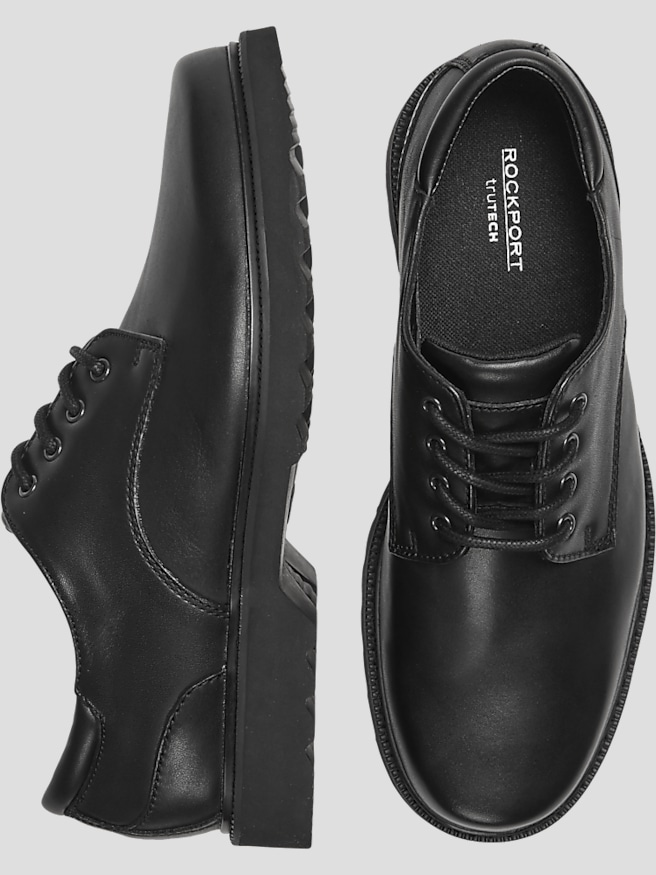
Men’s dress and casual shoes connect the look of an outfit with the practical demands of the day, whether that means walking between meetings, standing through a reception, or heading out to dinner after work. Oxfords, loafers, walking shoes, sneakers, and ankle boots each bring a distinct balance of coverage, structure, and styling. Lace-up dress shoes create a clean line beneath suit trousers, while slip-on silhouettes can feel equally at home with tailored chinos and a tucked-in shirt. Casual lace-ups offer a less formal option for jeans, knit polos, and relaxed office clothing. The shape of the toe, thickness of the sole, and amount of visible stitching all influence how polished a shoe appears. A smooth leather upper with restrained detailing generally reads dressier than a textured upper with prominent seams or a substantial tread. Black footwear works naturally with charcoal and navy tailoring; brown shades add depth to blue trousers, tan chinos, and denim. Materials also affect how shoes feel and develop character. Leather can soften with wear and take on subtle creasing, while suede has a matte surface and a softer visual texture. Textile panels and mesh can reduce bulk and encourage airflow, depending on the construction. Synthetic components vary considerably, making the material description and care directions useful points of comparison. Inside the shoe, lining texture, seam placement, and underfoot cushioning matter just as much as the exterior finish. A pair intended for a desk-based workday may call for a slimmer profile, while footwear for a role that involves frequent walking may benefit from a broader base and a flexible forefoot. Neither appearance nor softness alone tells the whole story. The most useful choice brings together a suitable silhouette, a secure fit, and a sole that makes sense for the surfaces and activities encountered throughout an ordinary day.
Fit becomes especially important when shoes need to stay comfortable from the first commute to the last appointment. Enough room across the ball of the foot allows the toes to rest naturally rather than bunch together, while a secure heel helps limit rubbing caused by excess movement. The upper should hold the foot without pressing sharply across the instep, and the toes should not strike the front during a normal stride. Size markings are a starting point rather than a guarantee, since the shape used to build a shoe can make one silhouette feel narrower, deeper, or more tapered than another. Trying shoes with the socks intended for everyday wear gives a more realistic impression of both space and friction. Dress socks occupy less room than thicker casual socks, and that difference can be noticeable in a close-fitting loafer or lace-up. Feet may also expand over the course of a day, so a fit that feels barely adequate at first can become restrictive after several hours. A short walk on a clean indoor surface helps reveal heel movement, pressure near the little toe, or an upper that creases uncomfortably across the forefoot. Leather may become more supple, but painful tightness is not something to count on wear alone to resolve. Adjustable laces make it easier to fine-tune the hold through the midfoot; slip-on designs depend more heavily on getting the initial shape and volume right. For anyone who uses prescribed inserts, removable footbeds and sufficient interior depth may be important, provided the shoe is designed to accommodate them. Cushioning can soften the sensation underfoot, but a stable platform and appropriate flexibility also contribute to a comfortable stride. Someone who spends a workday moving between a front desk and meeting rooms may value a different balance than someone who primarily walks short distances between a car and an office. Matching the construction to those everyday routines is more useful than judging comfort by a quick squeeze of the footbed.
Durability depends on materials, construction, use, and the attention shoes receive between outings. Outsoles are the main point of contact with the ground, so tread pattern, flexibility, and wear resistance deserve a look alongside the upper. Rubber compounds can provide grip and cushioning, although traction varies with the specific sole and walking surface. A substantial sole is not automatically better for every purpose: a lighter, more flexible design may suit regular casual walking, while a more structured base may feel appropriate beneath tailored clothing. Clean stitching, secure joins, and an even interior finish are useful details to examine. Care should match the material rather than follow a single routine for every pair. Smooth leather generally benefits from gentle cleaning and a compatible conditioner used according to the maker’s directions. Polish can refresh the appearance of suitable leather, but suede needs its own brush and material-appropriate treatment instead. Textile and synthetic uppers require attention to their care labels, and machine washing should never be assumed safe. Letting shoes air out between wears, loosening laces before removal, and using a shoehorn can help reduce unnecessary strain. Properly sized shoe trees can help maintain the shape of leather footwear, while storage away from direct heat protects materials and adhesives. Periodic checks for worn tread, damaged linings, or uneven heel wear can reveal when attention is needed before the shoes become uncomfortable. For casual wardrobes built around denim and chinos, the Mens Rockport Tennis Shoes collection provides another direction to explore. Footwear can also be a thoughtful gift for a dad, partner, recent graduate, or someone building a work wardrobe, especially when their size, preferred width, and usual style are already known. A recipient who wears tailored trousers most days may appreciate a polished profile, while someone with a relaxed routine may get more use from an understated walking silhouette. In either case, familiar fit preferences and actual daily habits make a stronger foundation than appearance alone.