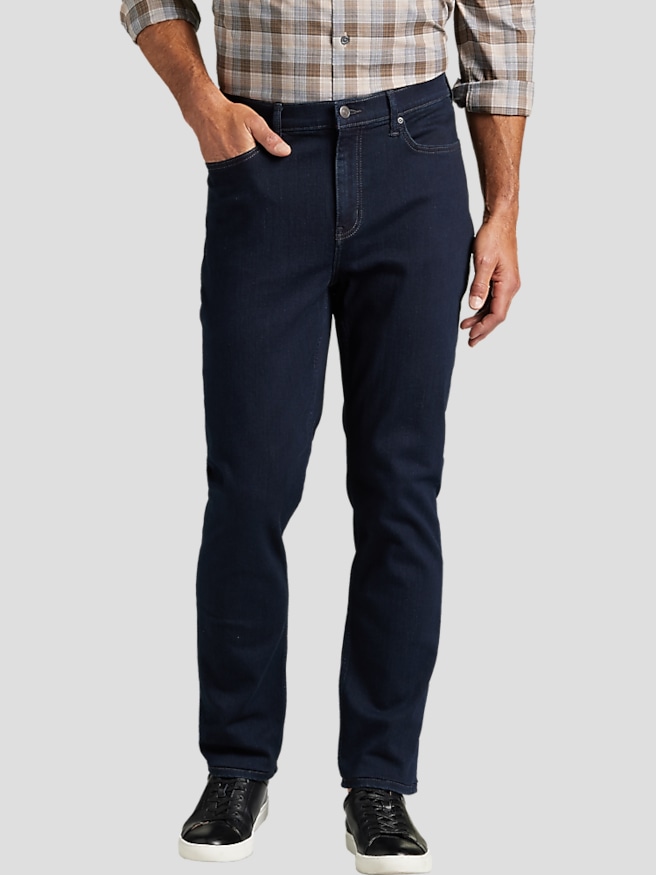
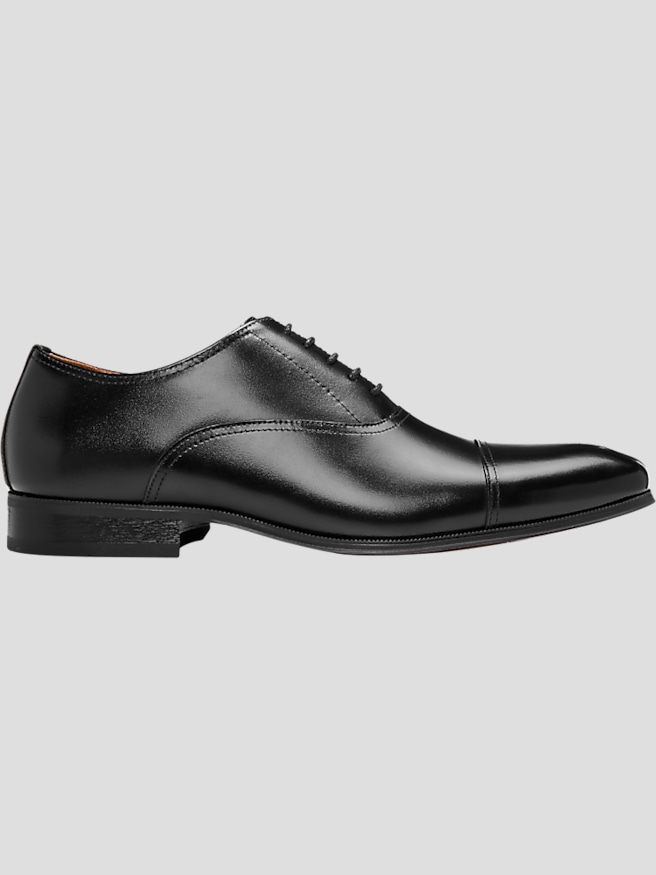
Low-profile sneakers, classic loafers, and streamlined ankle boots are among the most versatile shoes to wear with jeans. Each brings a distinct level of polish to denim without making an everyday outfit feel overdone. Sneakers create an easy, casual foundation for errands, travel, and lunch with friends, particularly when the uppers have a simple shape and minimal detailing. Loafers add structure for a denim-friendly workplace or an evening out, while Chelsea boots and lace-up chukka boots offer a clean transition between the hem and the shoe. The best pairing depends as much on the cut of the jeans as on the footwear itself. Straight-leg jeans work well with low-top sneakers, loafers, and boots because their balanced leg opening accommodates several shoe shapes. Slim jeans generally look cohesive with a narrower profile that does not overwhelm the ankle. Relaxed and wide-leg denim can accommodate more substantial soles, although the hem should still reveal enough of the shoe to give the outfit a clear finish. A sleek loafer can provide contrast beneath a fuller leg, while a sturdier lace-up boot gives heavier denim a grounded appearance. Length matters, too: jeans that gather heavily over the shoe can obscure its shape, while a small cuff can frame a low-top sneaker or show the top of a boot. For an understated outfit, dark, minimally distressed denim and smooth leather footwear create a more refined combination than heavily faded jeans and athletic-looking shoes. A knit polo, button-down shirt, or casual jacket can reinforce that cleaner direction. With a T-shirt and relaxed denim, simple sneakers keep the overall look comfortable and unfussy. These combinations make men's shoes for jeans useful across a broad range of everyday settings, from a commute followed by dinner to a weekend spent walking between shops and meeting friends. The result is footwear that works with denim as part of a complete outfit, rather than looking disconnected from it.
Color, texture, and construction give shoes their character, and those details become especially noticeable against denim. White and off-white sneakers create a crisp contrast with blue jeans, while gray, navy, and black offer quieter alternatives. Brown leather has a particularly natural relationship with blue denim: lighter shades read as relaxed, while deeper brown tones can feel more polished alongside a darker wash. For that combination, Men's Casual Brown Shoes With Jeans reflects the easy balance between everyday denim and warm leather tones. Black shoes can also work well with jeans, especially black or charcoal denim, where a consistent color palette creates a streamlined appearance. A belt in a similar color family can bring the outfit together without requiring an exact match. Materials influence both the look and the way footwear feels in use. Smooth leather offers a defined surface that can be cleaned and conditioned according to the maker's recommendations. Suede has a softer, textured finish that complements the grain and faded character of denim, though it requires care suited to its nap. Canvas and textile uppers tend to look more casual, making them a natural match for sneakers worn with everyday jeans. Details such as stitching, perforations, and hardware can shift the impression from minimal to rugged or more dressed up. A plain toe keeps the focus on shape, while brogue detailing adds visual interest beneath a simple jean hem. Sole design matters beyond appearance. A slim sole preserves a lighter profile; a thicker sole adds substance and may suit a broader leg opening. Rubber outsoles can be practical for regular walking, but grip and flexibility depend on the specific construction and surface. Leather outsoles offer a traditional finish and may feel quite different underfoot. Neither material alone determines comfort or longevity. The upper, lining, cushioning, outsole, and overall fit work together, making construction details relevant whether the shoes are intended for occasional dinners or repeated everyday use.
A good fit is essential for shoes that spend long days paired with jeans. The toes need room to rest naturally without pressing against the front or sides, and the heel should feel secure without rubbing. Lace-up styles allow adjustment across the instep, while loafers and Chelsea boots depend more heavily on the shape of the shoe matching the foot. Elastic panels can make a boot easier to pull on, but they do not replace a comfortable fit through the instep and heel. Trying footwear with the socks intended for regular wear helps establish a more realistic feel. Thin dress socks may suit a refined loafer, while a more cushioned sock can change the fit of a sneaker or boot. Walking a few steps and checking for pressure points is more useful than assuming an uncomfortable shoe will eventually become comfortable. For travel, commuting, or time spent standing, cushioning, a stable heel, and a sole that bends comfortably deserve attention alongside appearance. Shoes worn mainly for seated dinners or brief outings may have a different balance of priorities, but they should still fit well from the start. Durability also depends on care and frequency of use. Removing surface dirt before it builds up, allowing shoes to dry fully, and following material-specific cleaning instructions help preserve their finish. Smooth leather may benefit from suitable conditioner and polish; suede generally calls for a suede brush and appropriate cleaning products rather than ordinary leather polish. Textile sneakers should be cleaned as directed, since not every pair is suitable for machine washing. Rotating footwear gives each pair time to air out, and shoe trees can help compatible leather styles maintain their shape. As a gift for a partner, father, graduate, or another frequent denim wearer, versatile footwear is most useful when chosen around the recipient's habits, preferred style, and known size. Neutral colors and uncomplicated silhouettes can make pairing easier. Whether the priority is a polished office outfit or a comfortable casual routine, shoes that complement jeans should balance proportion, practical comfort, and care requirements with the way they will actually be worn.