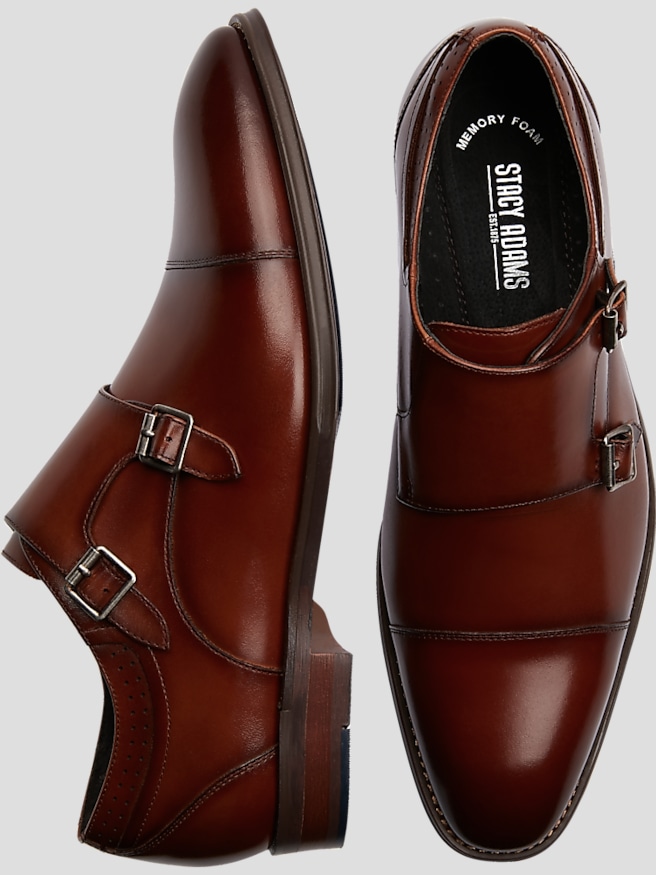
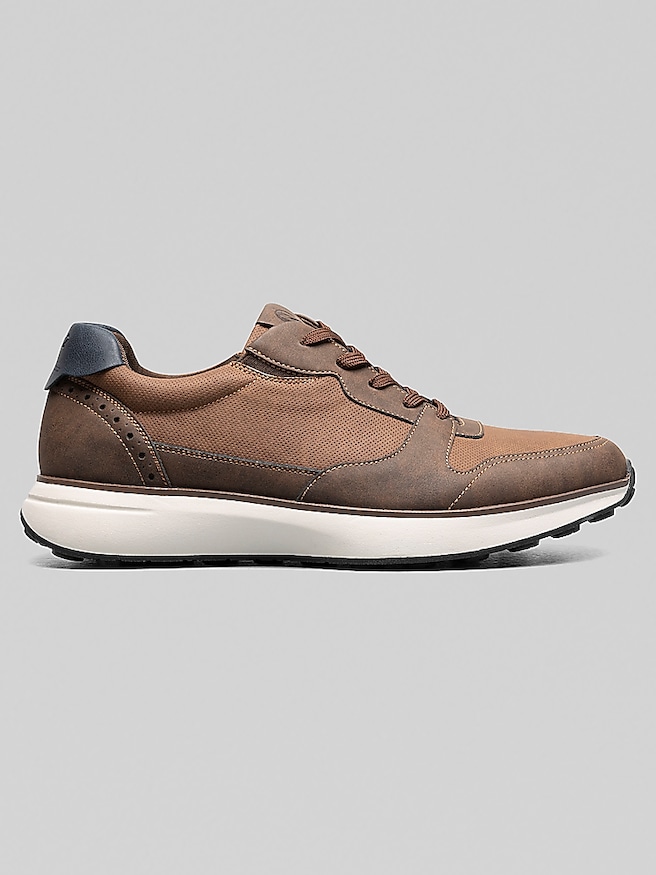
Dress shoes for jeans bridge the gap between relaxed denim and more polished clothing. The most natural pairings balance the shape and finish of the shoe with the color, texture, and cut of the jeans: clean, dark denim works well with sleeker leather shoes, while denim with a visible grain or a lighter wash can support suede, broguing, and slightly more substantial soles. Loafers, derbies, and brogues are especially versatile because their details feel dressed without looking strictly formal. A smooth penny loafer brings a crisp finish to straight-leg jeans and a tucked-in shirt; a brown derby adds structure to an outfit built around an untucked button-down. Oxfords can work, too, particularly when the jeans have an even wash and minimal distressing, although very glossy finishes tend to create a stronger contrast with denim. Color changes the effect just as much as silhouette. Medium brown and cognac introduce warmth against blue jeans, dark brown feels understated, and black creates a sharper line with black or deep indigo denim. Burgundy offers another option when an outfit needs depth without a bright accent. The hem matters because it frames the shoe: a clean break or a small amount of fabric resting on the upper keeps the shape visible, while excess bunching can hide the details that make dress shoes distinctive. Slim jeans generally suit a more streamlined toe, and straight-leg denim often balances a slightly broader shoe. Neither pairing needs to look severe. A softly structured jacket, textured knit, or casual woven shirt gives dress shoes a connection to the rest of the outfit. These combinations suit dinners, creative workplaces, gatherings, and other settings where sneakers may feel too relaxed but a full suit would feel unnecessary. The result is a useful middle ground: footwear with enough polish to make jeans look intentional, without losing the ease that makes denim a regular choice.
Materials and construction influence how dress shoes look with jeans, how they feel through a full day, and how they hold up to repeated use. Smooth leather provides a defined surface that complements clean denim and can develop character with appropriate care. Full-grain leather retains the hide’s natural surface, including subtle variations that distinguish one pair from another; suede has a soft nap that makes an otherwise dressy shape feel less formal. Neither finish has to dominate an outfit. A restrained leather upper can anchor a patterned shirt, while a suede loafer adds texture beside a simple knit and dark jeans. Leather linings can help manage moisture, and a smooth interior with well-finished seams reduces potential friction points. Underfoot, cushioned footbeds may soften the feel of standing and walking, but cushioning alone does not determine comfort. The shoe also needs enough room across the forefoot, a secure hold through the midfoot, and a heel that does not slide excessively. Toes should have space without the foot moving forward with every step. Leather may soften with wear, but a painfully tight shoe should not be expected to become the correct size. Trying dress shoes with the socks intended for regular wear gives a more useful sense of fit than relying on a size number alone, since shapes and widths vary. Sole construction deserves similar attention. Leather soles have a traditional appearance and can feel flexible after wear, while rubber soles can add grip and a more forgiving feel on hard surfaces. Actual traction depends on the tread and surface conditions, not simply the material. A low-profile rubber sole keeps the outline refined; a thicker sole gives denim a more grounded appearance. Even stitching, securely attached heels, and cleanly finished edges are useful details to examine. Some stitched constructions can accommodate resoling, depending on the shoe’s design and condition, which may extend its useful life.
The appeal of dress shoes with jeans is their ability to serve several parts of an ordinary week without requiring a completely separate wardrobe. A dark brown lace-up can look appropriate beneath a desk with dark jeans and a collared shirt, then feel equally comfortable at a restaurant when the jacket comes off. A loafer worn with neatly hemmed denim has a lighter visual presence, especially when the rest of the outfit is simple. Socks can either connect the two pieces or add a small detail: navy creates continuity with blue denim, charcoal works with black jeans, and a restrained pattern can echo a shirt or pocket square. No-show socks can preserve an exposed-ankle look while providing a layer between the foot and shoe, provided they stay securely in place. The same balance of proportion and texture applies across the broader category of Shoes To Wear With Jeans, with dressier styles placing greater emphasis on a defined silhouette and a finished upper. Maintaining that finish is part of keeping the combination looking deliberate. Surface dirt is easier to remove before it settles into seams, and smooth leather benefits from a suitable cleaner, occasional conditioning, and polish matched to its finish. Suede needs a brush and products intended for its nap rather than ordinary leather cream. Any care product is best tested on an inconspicuous area first. Shoes should dry naturally away from direct heat, and shoe trees can help maintain their shape and absorb some residual moisture between wears. Rotating pairs gives interiors time to dry, while checking heel wear can catch uneven wear before it becomes more extensive. For someone building a versatile wardrobe, dress shoes that complement favorite jeans can become a practical foundation rather than footwear reserved for rare occasions. They can also make a thoughtful gift when the recipient’s size, width, and preferred style are known. Familiar details—a rounded toe, a flexible sole, or a favored leather color—often matter more than an elaborate design, particularly for a pair intended to move comfortably between everyday plans and occasions that call for a little more polish.