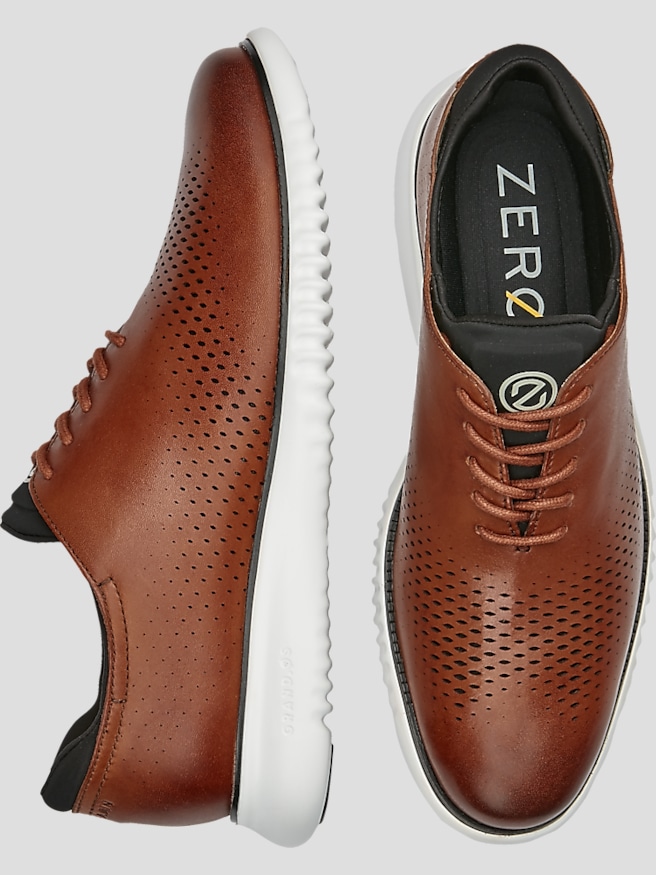
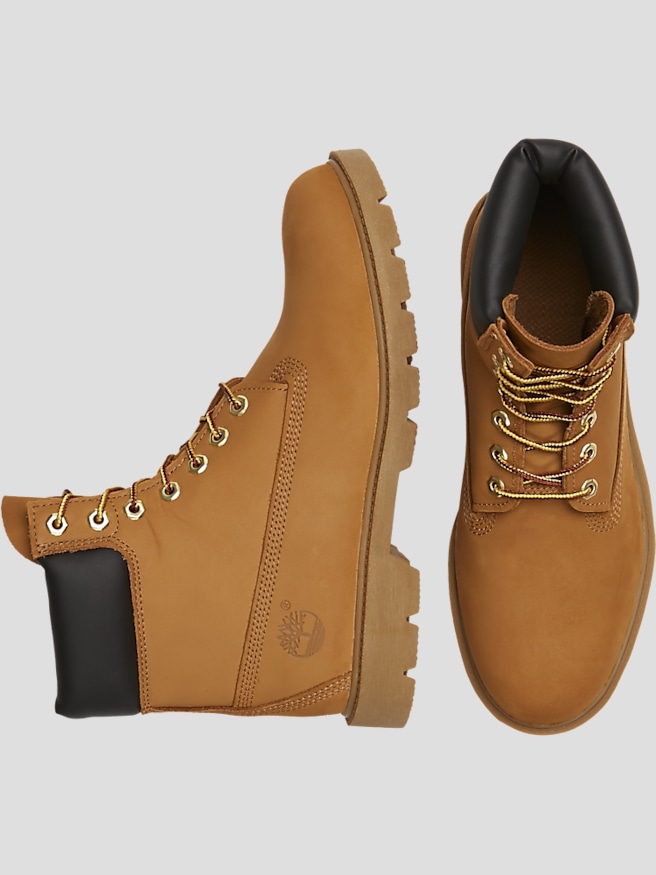
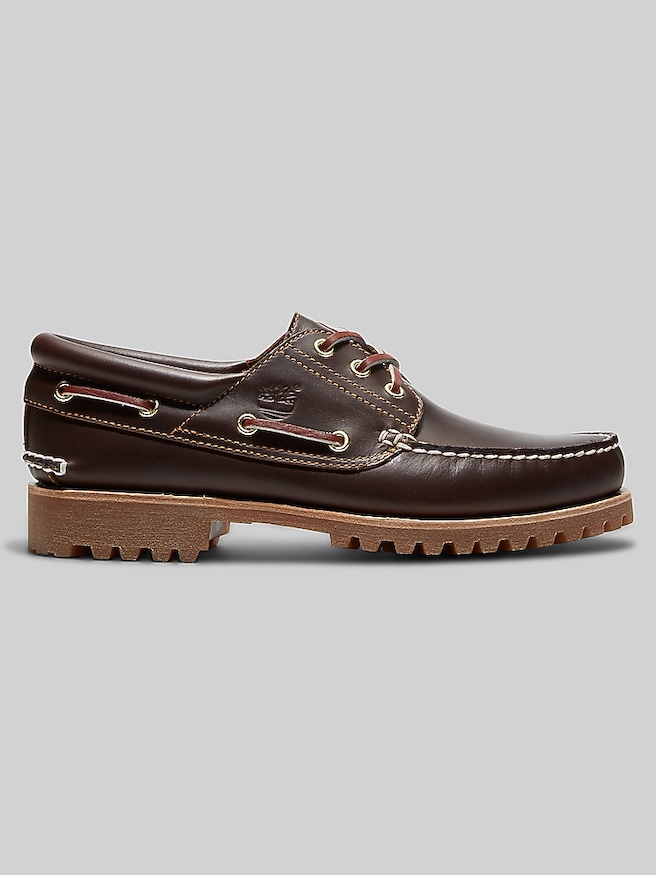
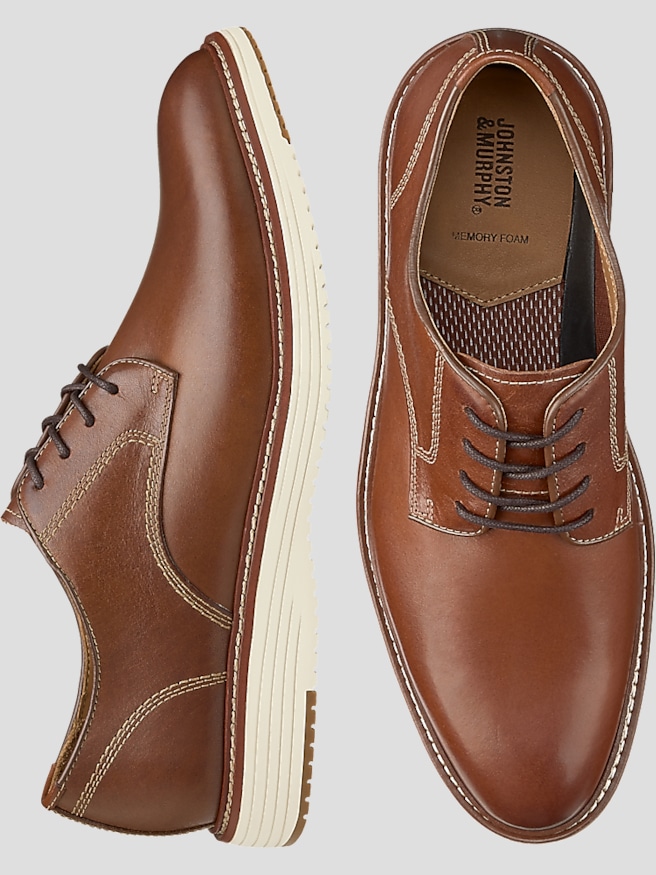
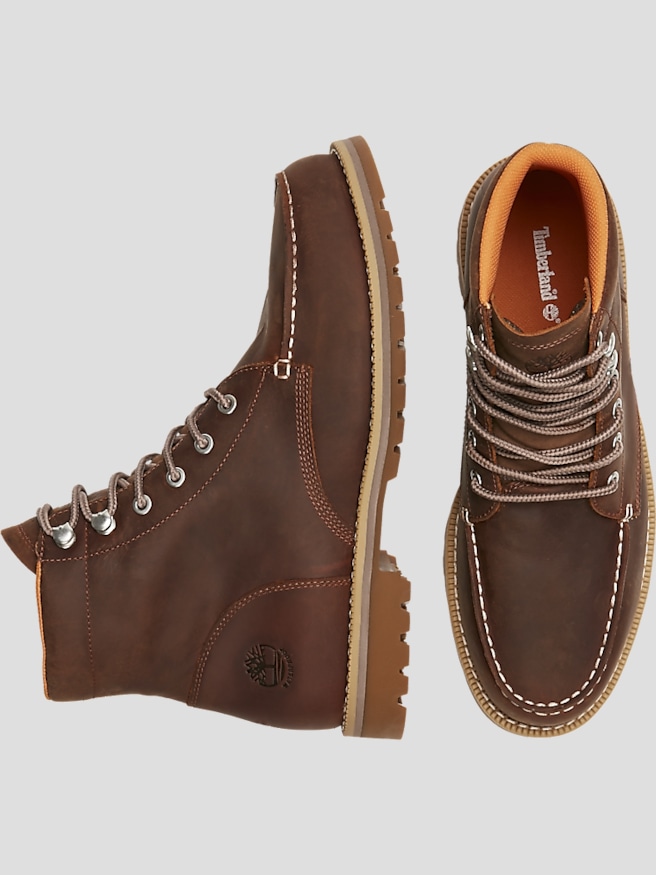
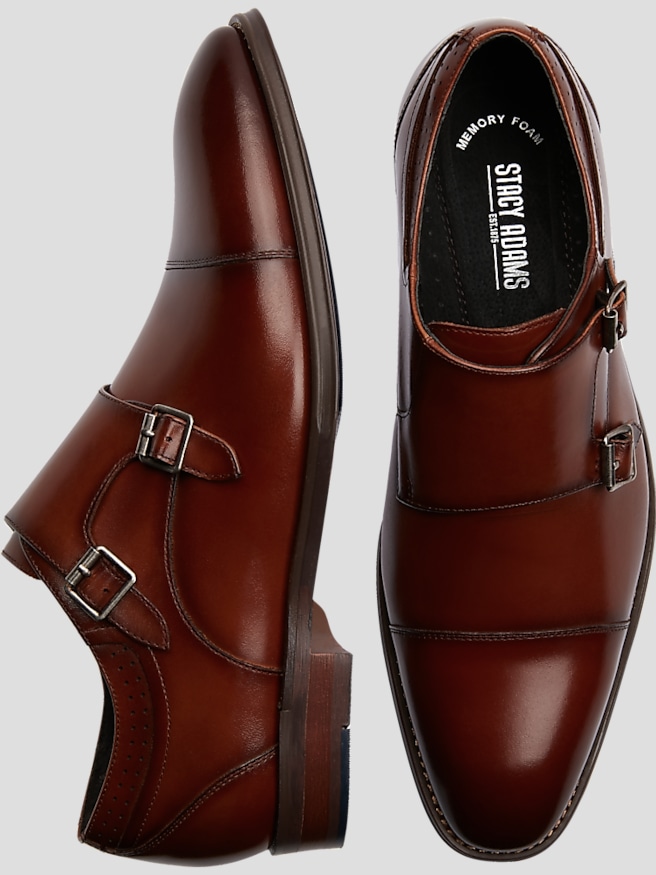
Shoes for standing all day bring together cushioning, support, and a secure fit to make long stretches on your feet more comfortable. The most useful features include a cushioned midsole, a stable base, enough room through the toes, and a heel that stays comfortably in place. Each plays a distinct role: cushioning softens the feel of hard floors, support helps distribute pressure, and a broad, steady platform keeps an overly soft shoe from feeling wobbly. For someone greeting clients in a lobby, teaching through back-to-back classes, or moving between a desk and a showroom, that balance matters more than softness alone. A plush footbed may feel inviting at first, but it should not compress so completely that the floor feels close beneath the heel. Likewise, arch support should follow the contours of the foot without creating a noticeable ridge or pressure point. There is no single level of cushioning or arch height that suits every foot, and comfort during a quick try-on does not always predict comfort near the end of a shift. Intended use helps narrow the choice. Standing mostly in one place calls for steady underfoot support, while a day filled with walking also benefits from manageable weight and flexibility near the ball of the foot. Some shoes have curved, rocker-style soles that can smooth the transition from heel to toe while walking, though that shape is not automatically the best match for stationary work. Appearance has a practical role, too. Smooth uppers and understated profiles complement tailored trousers in a client-facing setting, while more relaxed silhouettes work naturally with chinos and casual layers. During the cooler months, shoes also need to accommodate the socks worn with them without becoming tight across the instep. The goal is footwear that feels appropriate for the setting and remains comfortable through the ordinary rhythm of the day, from the first walk across the parking lot to the last conversation before heading home.
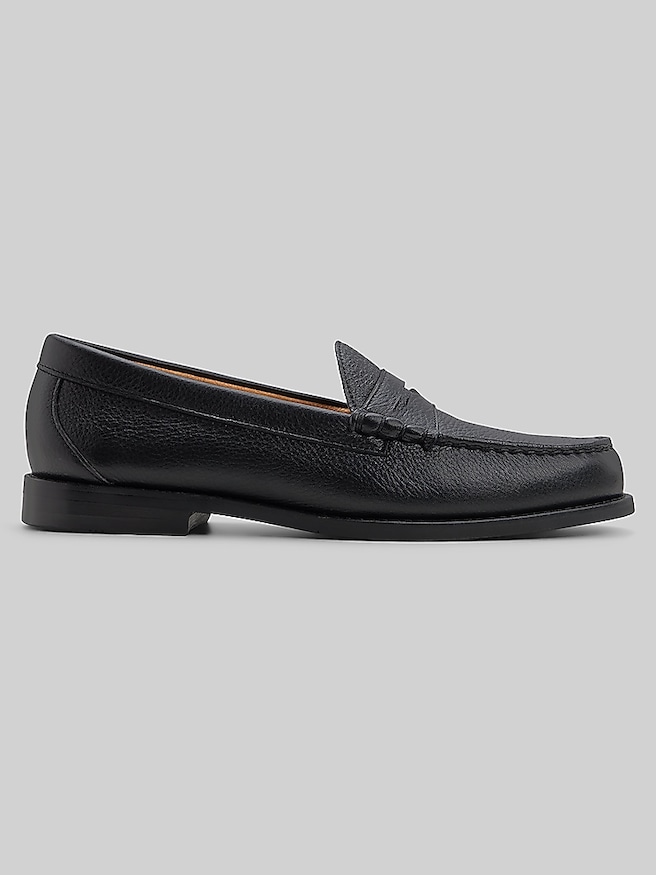
Materials and construction influence how shoes for prolonged standing feel after hours of wear, not just how they look with an outfit. Leather uppers can offer a polished finish and gradually soften with use, although a shoe should never depend on a painful break-in period to become wearable. Suede brings a softer texture to casual and business-casual combinations but needs more attention around moisture and tracked-in grime. Textile panels and breathable linings can help heat and moisture escape, an important consideration in warm indoor spaces even when the weather outside is cool. Underfoot, foam cushioning varies in firmness and resilience; a thicker sole is not necessarily more supportive, and an exceptionally soft one may feel less stable during long periods of standing. Rubber outsoles often provide useful traction and durability, but grip depends on the tread, the compound, the surface, and its condition. A textured sole should not be assumed to meet a workplace slip-resistance requirement, especially around wet tile or oily floors. Fit deserves equally close attention. Toes need room to lie naturally and spread slightly without pressing against the front or sides, while the midfoot should feel held rather than squeezed. Extra length is not a substitute for adequate width, since sizing up can leave the heel slipping with every step. Trying shoes later in the day, when feet may be slightly fuller, and wearing the intended socks gives a more realistic impression of everyday fit. Both feet should feel comfortable, with room for the larger foot if their sizes vary. Adjustable laces can accommodate small changes in volume, while slip-on designs rely more heavily on a well-matched heel and instep. For a streamlined shape that works with polished casual clothing, Comfortable Loafers for Standing All Day offer a relevant style direction. A secure loafer should stay on without requiring the toes to grip, and its clean appearance should be matched by cushioning and support suited to the hours ahead.
Durability becomes especially important when the same pair supports a full workday several times a week. Reinforced stitching, well-finished seams, and a secure connection between the upper and sole are useful construction details, while a lining that feels smooth can help limit rubbing around the heel and toes. Removable insoles make airing out the interior easier and may provide space for a preferred insert, provided the shoe has enough depth to accommodate it without crowding the foot. Adding an insert changes the fit, so heel security and toe room still matter afterward. Routine care helps preserve both appearance and comfort. Dust and surface grit can be wiped away before they settle into creases, and leather benefits from cleaning and conditioning appropriate to its finish. Suede generally needs a suitable brush and material-specific protection rather than leather cream. Damp shoes should dry naturally away from direct heat, which can damage uppers and adhesives. Giving footwear time to dry between wears, with a second pair in rotation when practical, helps manage interior moisture. Outsoles and midsoles also deserve attention: worn tread, uneven heel wear, or cushioning that feels flattened can signal that a once-comfortable pair no longer performs as it did. These details matter for anyone whose plans involve more standing than sitting, whether that means supervising a busy workplace, presenting at a conference, or spending an evening welcoming guests at a celebration. Supportive footwear can also be a thoughtful gift for someone starting a client-facing role or updating a work wardrobe, though knowing the recipient’s usual size, width, and preferred fit is particularly helpful. Shoes alone cannot eliminate every source of foot fatigue, and persistent pain deserves attention from a qualified healthcare professional rather than a promise from a shoe description. Within those limits, a well-fitting pair with balanced cushioning, a steady sole, and materials suited to its setting can make everyday dressing feel less like a compromise between looking put together and staying comfortable on your feet.