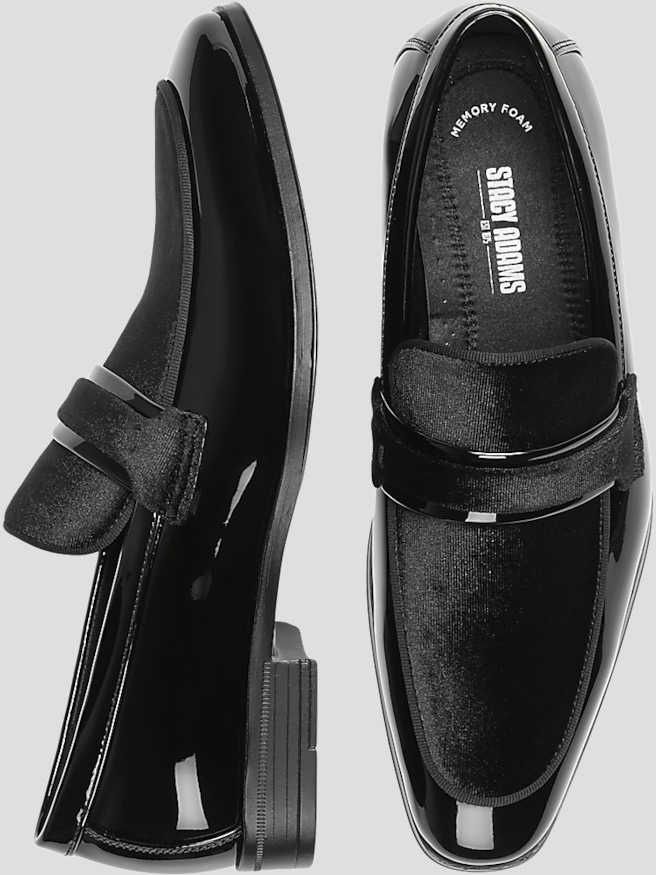
Comfortable loafers for standing all day combine the polished appearance of a dress shoe with features that make long stretches on foot more manageable: balanced cushioning, supportive footbeds, a secure heel, and an outsole suited to the surface underfoot. For teachers moving between a desk and a classroom, professionals greeting clients, or wedding guests spending hours between the ceremony and reception, comfort depends on more than a soft first impression. A deeply cushioned footbed can feel inviting, but the shoe also needs enough structure to keep the foot from shifting with every step. Contoured arch support and a shaped heel cup may help distribute pressure and create a more settled fit, while cushioning beneath the heel and ball of the foot helps soften contact with hard floors. The right balance feels comfortable without an excessively spongy or unstable sensation. A low, broad heel provides a grounded base, and an outsole that bends near the ball of the foot accommodates the natural movement of walking. Rubber outsoles can provide cushioning and traction, although grip depends on the tread, compound, and floor surface rather than the material alone. Workplaces with specific slip-resistance requirements call for footwear explicitly designed to meet those requirements; an ordinary dress loafer is not automatically a work-safety shoe. Weight matters, too. A lighter construction can feel less cumbersome during repeated trips across an office or event space, provided it still supplies adequate support. Breathable linings and smooth interior seams add another layer of everyday comfort, especially when shoes stay on from the morning commute through an evening gathering. No loafer can guarantee fatigue-free standing, and opportunities to change position or take a seated break still matter. The most useful features work together, creating a shoe that feels steady while standing, moves naturally while walking, and retains the clean silhouette expected from men’s dress and business casual footwear.
Materials influence how loafers feel against the foot, how they hold their shape, and how easily they fit into an everyday wardrobe. Smooth leather offers a refined surface that works with tailored trousers, chinos, and many suit separates, while suede brings a softer texture to less formal combinations. Supple uppers can reduce the stiff feeling associated with some dress shoes, but softness should not come at the expense of a secure fit. Leather may gradually conform to the foot, yet a comfortable fit should not depend on stretching a painfully tight shoe. For a closer look at this material category, Comfortable Leather Loafers offer a natural starting point for coordinating polished footwear with everyday clothing. Inside the shoe, lining materials, seam placement, and footbed construction can be just as important as the outer finish. A raised seam across the toes or a rough edge near the heel may become increasingly noticeable over several hours. Because loafers have no laces to adjust, the relationship between foot shape and shoe shape deserves particular attention. The heel should feel held without pinching, the forefoot should have room to spread naturally, and the upper should not press sharply across the instep. Excessive heel movement can encourage rubbing, while a cramped toe box can make standing uncomfortable even when the footbed feels soft. Trying shoes with the socks intended for regular wear gives a more useful sense of fit; thicker dress socks and low-profile liners can change how snugly the same shoe sits. Feet may also feel fuller later in the day, making that a practical time to assess toe room and pressure points. For anyone who uses an orthotic, a removable footbed and sufficient interior depth may help accommodate it, but the replacement insert should not crowd the toes or lift the heel out of the shoe. Width, instep height, and overall shape matter as much as the size printed inside.
The best everyday loafers earn their place through repeated wear, not just a comfortable fitting-room moment. Penny-loafer styling offers a restrained look for office trousers and chinos, while tassels or understated hardware can give the same slip-on shape a dressier character. A streamlined profile sits neatly beneath a tailored trouser hem, and a slightly more substantial sole can complement relaxed business casual clothing without requiring the shoe to look athletic. For a workday that includes standing presentations, a walk to lunch, and time at a reception desk, versatility means having enough underfoot comfort for movement and enough visual polish for face-to-face conversations. For celebrations, loafers can bridge seated meals and extended time mingling, with the level of formality determined by the upper, finish, and overall construction. They can also make a thoughtful gift for someone starting a client-facing role or building a practical work wardrobe, although accurate sizing and knowledge of the recipient’s preferred fit are especially important with slip-on footwear. Continued comfort depends partly on care. Smooth leather generally benefits from removing surface dust with a soft cloth and using a conditioner appropriate to the finish, following the care instructions. Suede requires a suitable brush and cleaning method rather than the same treatment used for polished leather. Letting shoes air out between wears, allowing damp footwear to dry naturally away from direct heat, and using appropriately sized shoe trees can help preserve their shape. Rotating footwear gives linings time to dry and makes it easier to notice changes in fit or support. Durable construction shows in secure stitching, a well-attached sole, and an upper that maintains its structure, but even a handsome shoe needs attention when the tread wears smooth or cushioning becomes compressed. A repairable sole may extend useful wear when the construction allows it. With suitable materials, a well-matched fit, and consistent care, comfortable loafers can serve as a dependable foundation for days that demand both a polished appearance and plenty of time on foot.