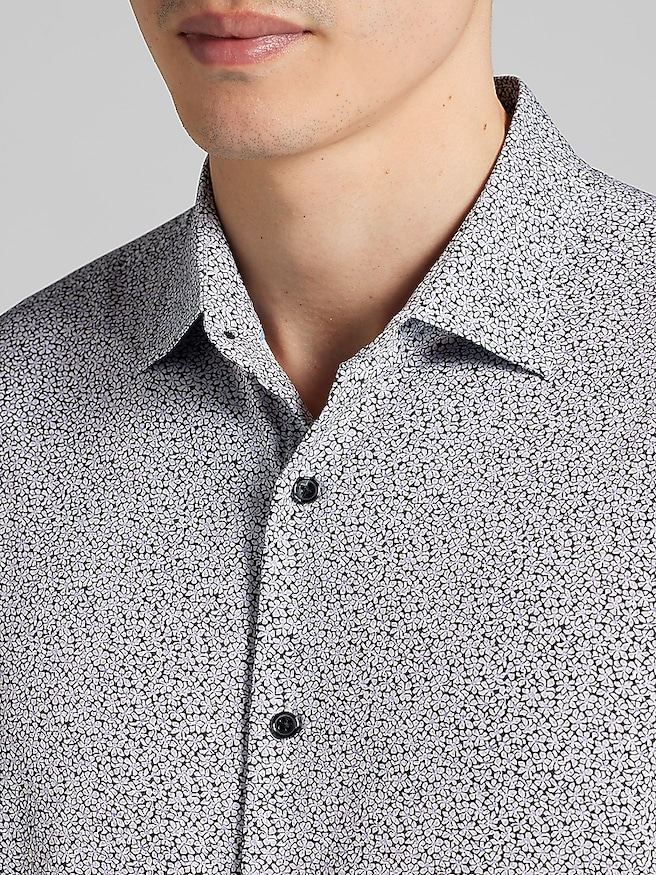
Shirt fashion encompasses dress shirts, casual button-front shirts, polos, and T-shirts, with each category offering a distinct balance of structure, comfort, and personal style. A shirt often sets the tone for an entire outfit: a crisp collar and smooth front create a polished impression, while a textured knit or softly draped fabric feels more relaxed. For men dressing for office meetings, interviews, celebrations, or everyday plans, the most useful distinctions are the shirt’s fabric, fit, collar, pattern, and intended use. Dress shirts typically have a more structured collar, longer tails designed for tucking, and cuffs that sit neatly beneath jacket sleeves. Casual button-front styles may have shorter hems, softer collars, chest pockets, or more visible texture. The term button-down refers specifically to a collar whose points fasten to the shirt, rather than to every shirt with buttons down the front. Polos combine a collar with a knit body, making them a natural choice for settings where a T-shirt feels too informal but a dress shirt feels unnecessary. T-shirts offer a straightforward foundation for relaxed outfits, with neckline shape, fabric weight, and sleeve proportions influencing how finished they look. Color and pattern further define the effect. White and pale blue provide a clean backdrop for tailoring, while deeper shades create contrast against lighter trousers. Fine stripes and small checks can read as understated from across a room; larger checks and expressive prints give a shirt more visual presence. A solid shirt under a patterned jacket keeps the outfit balanced, whereas a patterned shirt can bring interest to simple chinos or dark denim. Texture offers another route to individuality without relying on a bold print. An Oxford weave has a recognizable basketlike surface, while a smooth poplin creates a sharper, more uniform appearance. These details allow shirt fashion to range from restrained and professional to casual and expressive without making the outfit feel disconnected from the occasion.
Fabric and construction determine much of how a shirt feels during a full day of wear. Cotton is valued for its soft hand and breathability, but cotton shirts can vary considerably depending on the weave, yarn, and finishing. Poplin tends to feel smooth and relatively lightweight, while twill has a subtle diagonal texture and often a more substantial drape. Oxford cloth generally has a textured, less formal character that works well with chinos and relaxed tailoring. Linen brings a distinctive surface and an easy drape, with natural creasing that is part of its appearance rather than necessarily a sign of poor care. Cotton blends may offer added resilience or easier maintenance, and fabrics containing stretch can provide flexibility when reaching, sitting, or moving between appointments. Performance properties such as moisture management or wrinkle resistance depend on the fabric and treatment, so they should not be assumed from fiber content alone. Fit is equally important because even an attractive fabric can look untidy when the proportions are off. A well-fitting shirt leaves room to move without excess fabric bunching at the waist or pulling across the chest. On conventional set-in sleeves, shoulder seams generally sit close to the edge of the shoulders, and a dress-shirt collar should close comfortably without pressing into the neck. Sleeves should reach the wrist without swallowing the hand, allowing a small amount of cuff to show beneath a properly fitted jacket. Slim fits follow the torso more closely, while classic or relaxed fits allow additional ease; the label is less important than how the garment sits on the wearer. Someone who spends hours at a desk may appreciate enough room through the back and elbows to sit and type comfortably. Someone wearing a shirt untucked may prefer a hem that finishes around the middle of the fly rather than extending far down the thighs. Construction details, including tidy seams, secure buttons, and neatly finished buttonholes, contribute to a shirt’s appearance and can help it stand up to repeated wear when paired with appropriate care.
A versatile shirt wardrobe supports repeated use across settings rather than relying on a single way of dressing. A pale solid dress shirt can accompany a suit for an interview, then work with tailored trousers for a dinner reservation. A textured button-front shirt can look composed beneath an unstructured jacket and more relaxed with denim, provided the length and cut suit both combinations. A knit polo offers a clean neckline without a tie, while a plain T-shirt can keep an outfit simple when its fabric has enough body to hold its shape. Accessories should match the shirt’s construction and level of formality. A spread collar can accommodate a fuller tie knot, while a narrower collar often looks balanced with a more compact knot. French cuffs are designed to fold back and fasten with cuff links, whereas ordinary barrel cuffs typically close with buttons. Complementary details found among Shirt Accessories can add a finishing touch without competing with the shirt’s pattern or texture. Care also plays a substantial role in how long a shirt remains presentable. The garment’s care label is the best reference for washing, drying, and ironing because similar-looking fabrics may require different treatment. Excessive heat can contribute to shrinkage or damage certain fibers and finishes, while leaving a shirt crumpled after laundering can set wrinkles that take more effort to remove. Prompt attention to collar and cuff marks, appropriate laundering, and careful storage help preserve a clean appearance. Shirts worn beneath jackets benefit from smooth collars and cuffs, since those areas remain especially visible. For gift giving, shirts are practical choices for graduates, partners, fathers, or friends building a work wardrobe, particularly when the recipient’s size, preferred fit, and daily dress expectations are known. Familiar colors and comfortable fabrics often make a more useful gift than an unfamiliar silhouette. Across formal and casual settings, lasting shirt style comes from the relationship between fabric, proportion, finish, and the way the garment fits into everyday life.