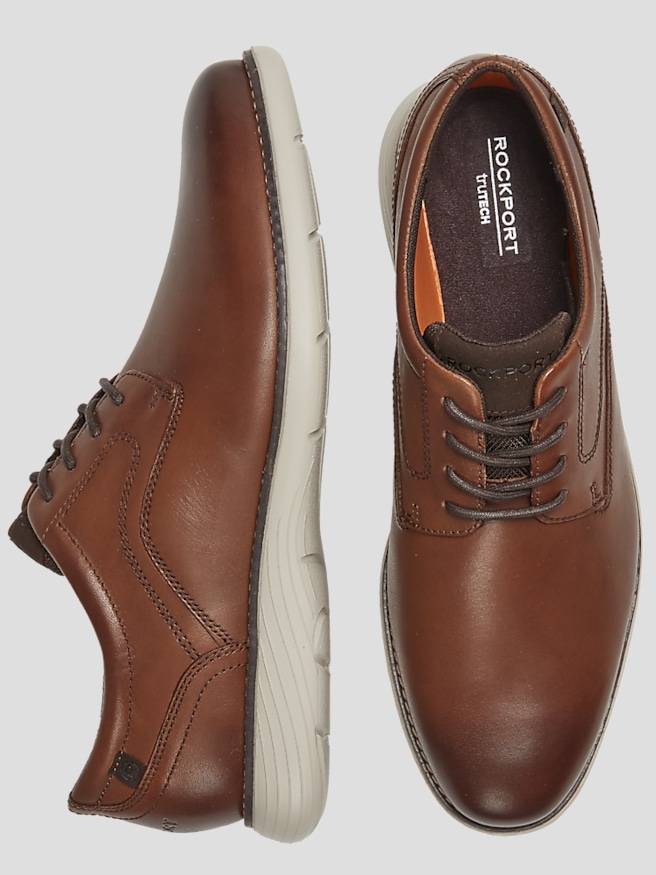
Suede shoes bring a softer texture to men’s footwear, balancing the structure of a dress shoe with the relaxed character of a casual favorite. Traditional suede is leather finished with a fine, raised nap, giving the surface a matte appearance and subtle variations in tone as the fibers catch the light. That texture distinguishes suede from smooth leather: it looks less glossy, feels soft to the touch, and adds depth to otherwise simple outfits. A suede lace-up can sit comfortably between tailored trousers and dark denim, while a slip-on silhouette creates a clean line with chinos or an unstructured jacket. Oxfords, loafers, and sneaker-inspired shapes each serve a slightly different purpose, so the overall profile matters as much as the material. A slim sole and restrained stitching generally read as dressier; a thicker sole and more pronounced detailing lean casual. Brown suede works especially well with navy, gray, olive, and cream, bringing warmth without demanding a close color match elsewhere in the outfit. Dark blue offers a quieter alternative that complements gray trousers and medium-wash denim, while deeper brown shades can create a grounded finish beneath patterned sport coats. The goal is coordination rather than an exact match between shoes, belt, and jacket. Similar levels of formality usually matter more than identical shades. For an office with a relaxed dress code, suede footwear can soften the appearance of a button-down shirt and tailored pants without looking careless. For dinner, a family gathering, or a daytime celebration, the same texture adds interest without the shine associated with more formal leather shoes. Suede is not automatically a substitute for traditional formal footwear, however. A black-tie invitation or a particularly conservative business setting may call for a smoother, more formal finish. Within everyday dress-casual wardrobes, its appeal is the ease with which it bridges polished and relaxed clothing.
Comfort depends on the entire shoe, not simply the softness of the upper. Suede may feel supple, but the shape of the toe box, the support beneath the foot, the security of the heel, and the flexibility of the sole all influence how a pair feels after several hours. A comfortable fit leaves room for the toes to rest naturally without allowing the foot to slide forward. The widest part of the foot should align with the widest part of the shoe, and the upper should feel secure rather than tightly stretched across the forefoot. Lace-up designs allow some adjustment over the instep, making them useful when a closer, more controlled fit is preferred. Slip-ons depend more heavily on the relationship between the heel, instep, and opening, so choosing them solely by the size printed inside can overlook important differences in shape. Trying shoes with the type of socks intended for regular wear gives a more realistic sense of fit. A thin dress sock and a thicker casual sock can noticeably change the amount of space inside. Cushioning can help soften the feeling underfoot, while a supportive footbed and stable sole contribute a different kind of comfort; a deeply padded interior is not necessarily the same as a well-supported one. Likewise, a flexible forefoot can make walking feel natural, but the shoe should still hold the foot securely. Rubber outsoles are common in dress-casual footwear and can provide flexibility and grip, although performance varies with the compound and tread design. Construction also affects durability. Neat stitching, secure attachment between the upper and sole, and reinforcement around high-contact areas are useful details to consider. Suede can develop character through repeated wear, but no material eliminates the effects of friction or an unsuitable fit. For someone moving between a desk, meetings, and an evening meal, the most practical choice is a shoe whose shape, support, and level of formality work across the whole day.
Keeping suede looking distinctive involves preserving its texture rather than polishing it to a shine. Dust and flattened fibers can make the surface appear dull or uneven, even when the shoe is otherwise in good condition. A brush intended for suede helps lift the nap and remove loose debris; gentle pressure is preferable to vigorous scrubbing. Routine brushing should be done when the material is dry, following the care directions supplied with the footwear. A suede eraser may help with certain surface marks, but both tools and cleaning solutions deserve a small test in an inconspicuous area before broader use. Ordinary shoe polish and products designed for smooth leather can alter suede’s appearance, so material-specific care is important. A compatible protective treatment may help limit staining, though it does not make the material impervious to spills or eliminate the need for cleaning. If suede becomes damp, blotting gently and allowing it to air-dry away from direct heat helps avoid additional damage. Stubborn stains or widespread discoloration are good reasons to consult a cleaner experienced with suede rather than repeatedly applying household remedies. Between wears, a shoehorn can reduce strain on the heel, and properly sized shoe trees can help maintain shape without stretching the upper. Giving footwear time to air out and storing it away from prolonged direct sunlight also supports its appearance over time. These considerations make suede especially appealing to someone who enjoys textured clothing and is comfortable with a modest care routine. As a gift, suede shoes are most successful when the recipient’s size, preferred width, and usual silhouettes are already known; a familiar lace-up or slip-on shape is a more dependable starting point than a dramatic change in style. For an adjacent dress-casual option, Rockport Dressport Shoes offer another category to consider alongside suede footwear. The strongest choice remains one that complements the wearer’s clothing, fits securely, and feels appropriate for the places it will go.