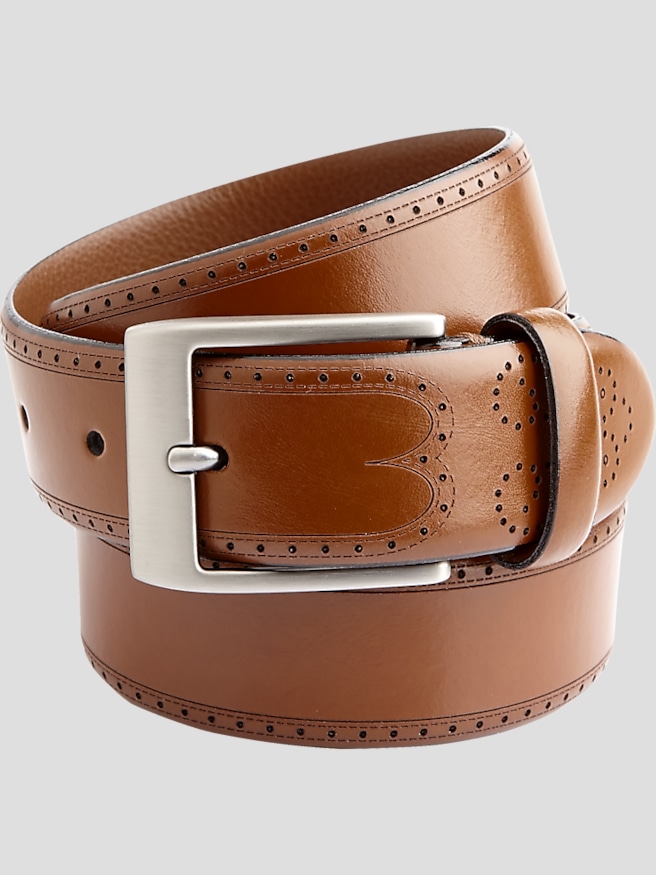
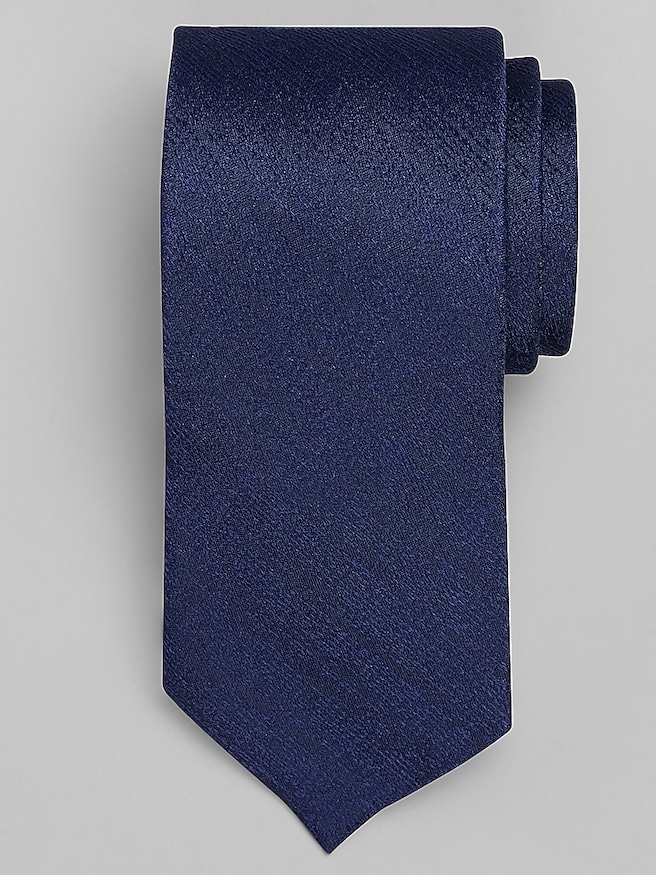
Red accessories add a strong accent to neutral clothing, bringing color to navy, charcoal, black, tan, and cream without requiring a head-to-toe statement. In men’s clothing, red often appears in ties, pocket squares, socks, and small leather details, where even a narrow band of color can change the character of an outfit. The shade matters as much as the accessory itself. Bright scarlet feels crisp and energetic against a white shirt, while burgundy has a deeper, quieter presence beside a textured gray jacket. Brick red carries an earthy warmth that works comfortably with brown leather and beige trousers; a clear crimson creates a sharper contrast with dark blue tailoring. These distinctions make red accessories useful across business attire, wedding outfits, formal ensembles, and relaxed combinations built around a sport coat. A navy suit with a white shirt and a red tie is a familiar pairing because its contrast is clear and balanced. The same suit with a burgundy patterned tie feels more understated, particularly when the pattern includes navy or another color already present in the outfit. With an open-collar shirt, a red pocket square can supply a similar focal point without adding another layer around the neck. Red is especially effective when it has room to stand on its own: a restrained shirt pattern and a simple jacket texture keep the overall appearance composed. Coordinating accessories does not require matching every shade exactly. A patterned tie with a small red detail can relate to a pocket square with a burgundy border, provided the patterns vary in scale and share a supporting neutral. Repeating the same vivid red across several large areas can feel more theatrical, while one prominent accent and a smaller echo usually look more relaxed. The right balance depends on the setting, the clothing, and how noticeable the color is meant to be.
Material and texture shape how red accessories look at close range and how they perform through repeated wear. Silk can give red a rich surface with a soft sheen, making it a natural companion to smooth suiting and dress shirts. A matte weave or knitted texture changes the effect, reducing shine and adding visual depth to a simple outfit. Cotton and linen tend to have a drier appearance, with subtle irregularities that sit comfortably beside less structured tailoring. Wool offers a soft, textured finish that can make a deep red feel subdued rather than glossy. Fabric blends vary widely, so the fiber label and the feel of the finished cloth are more useful than assuming that every accessory in a category behaves alike. Leather brings another dimension: a polished red surface looks sharper than a pebbled or softly finished one, and darker edges or stitching can influence how easily it pairs with shoes and other leather details. Fit and proportion are equally important. A tie should look balanced with the shirt collar, jacket lapels, and the wearer’s frame, rather than being selected by color alone. Its finished length generally places the tip near the belt line, although the knot and the wearer’s height affect how much length is needed. A pocket square should fit the jacket pocket without creating a bulky mound that pulls the chest out of shape. Sock sizing matters for comfort, and enough length to keep the leg covered when seated helps preserve a polished line with dress trousers. For accessories worn against the body, smooth seams, flexible fabric, and secure closures make a practical difference over a full day. Durability comes from sound construction as well as material choice: neatly finished edges, even stitching, stable hardware, and fabric that recovers after gentle handling all deserve attention. A saturated red can draw the eye directly to these details, making careful finishing particularly noticeable.
Red accessories can serve both an everyday wardrobe and an occasion-specific outfit, which also makes them thoughtful gifts when the recipient’s habits are known. Someone who wears a suit regularly may appreciate a restrained burgundy accent that works with several shirts, while someone who favors simple separates may get more wear from a small flash of brighter red. For a wedding guest, a red accent can add personality while respecting the stated dress code; for a wedding party, the chosen shade and level of formality should follow the couple’s direction. At a business presentation or interview, a quieter red paired with uncomplicated clothing can look intentional without becoming the main event. Formal occasions call for closer attention to the invitation, since a colorful accessory should complement the expected attire rather than replace its essential elements. Gift selection benefits from similar attention to detail: preferred colors, typical jacket styles, sizing, and willingness to wear patterns matter more than choosing the boldest shade. Care then helps preserve both the color and the shape. Fabric care labels should guide cleaning, especially with silk, lined constructions, or mixed fibers that may react poorly to water or heat. Ties keep their shape better when knots are undone after wear rather than left tightened, and clean, dry storage helps protect delicate surfaces from snags. Pocket squares benefit from being unfolded and allowed to air before storage, particularly after a long event. Leather care should follow the maker’s directions, with any suitable cleaner or conditioner tested discreetly before broader application; a formula that works on one finish may alter another. Deeply dyed fabrics also deserve care around pale upholstery and clothing, especially when damp, so colorfastness instructions are worth checking. With thoughtful coordination and consistent care, red can become a dependable accent rather than a color reserved for a single outfit. For a brighter contrast within the same neutral wardrobe, Yellow Fashion Accessories provides another color direction to consider.