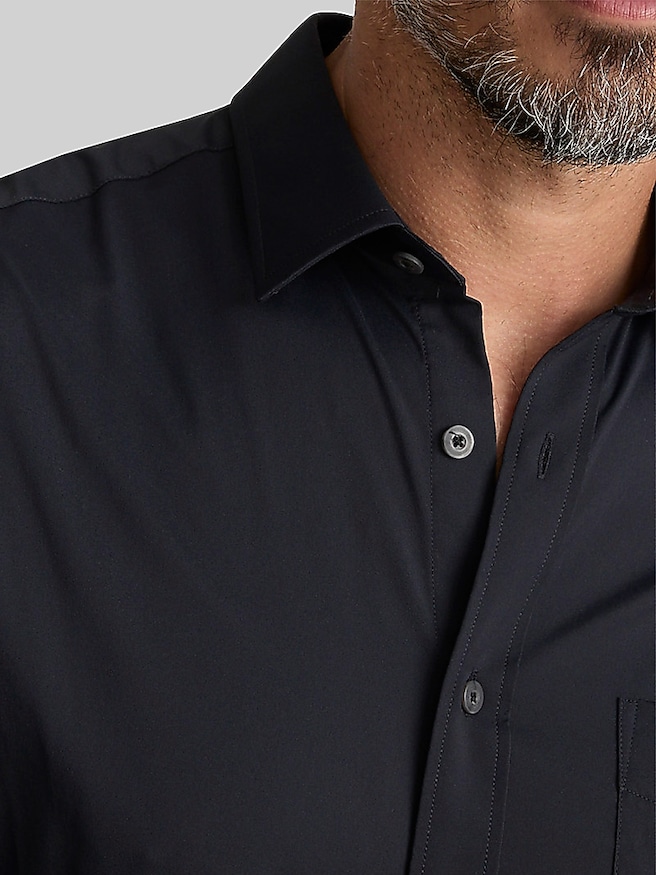
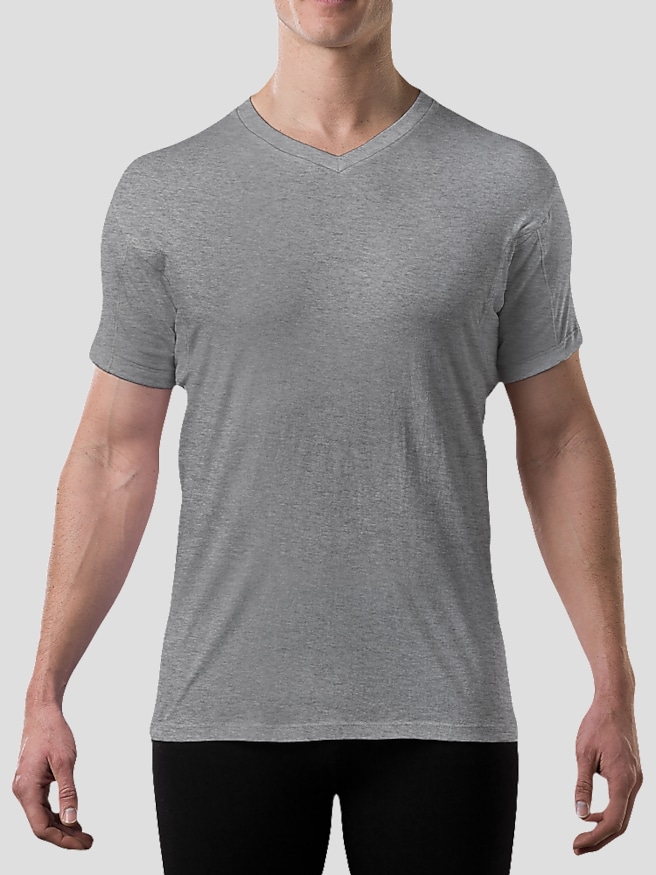
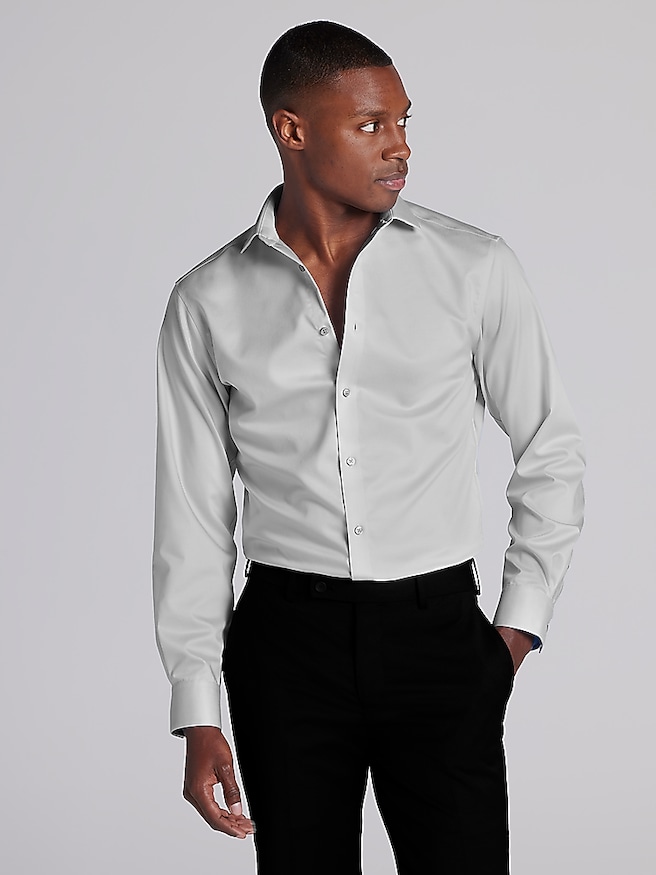
Quick-dry shirts typically use polyester, nylon, or blended fabrics that absorb relatively little moisture and allow it to evaporate readily. Their appeal is practical: after a brisk walk to the office, a busy stretch of errands, or a wash between travel days, the fabric is designed to spend less time feeling damp. Polyester is common because it absorbs little water into the fiber itself, while nylon can provide a smooth feel and good resistance to abrasion. Spandex adds stretch, helping a shirt move through the shoulders, chest, and arms without relying on an oversized cut. Fiber content is only part of the story, however. Fabric thickness, knit or weave construction, surface treatments, and the amount of moisture present all affect drying performance. A lightweight, open construction generally releases moisture more readily than a dense, substantial fabric, even when both contain similar fibers. Many Moisture Wicking Shirts also dry quickly, but the two descriptions refer to distinct properties. Wicking moves perspiration across or through fabric, often away from the skin, while quick drying describes how readily that moisture leaves the garment through evaporation. A shirt can perform well in one respect without performing equally well in the other. Cotton blends may offer a familiar, soft hand, though a higher cotton content can hold more moisture and extend drying time compared with a similar lightweight synthetic fabric. Texture matters, too: a fine jersey can feel smooth and flexible, a piqué knit has a more structured surface, and a woven fabric can create a crisp appearance. Breathability is another separate consideration, describing how easily air moves through the material rather than how fast it dries. Looking at these characteristics together helps distinguish a shirt suited to everyday movement from one chosen mainly for its appearance. The most useful combination depends on how the shirt will be worn, how much structure is preferred, and whether stretch, softness, or a polished finish matters most.
Fit gives quick-dry fabric room to do its job while keeping the shirt appropriate for its setting. Shoulder seams should sit near the natural shoulder, sleeves should allow an easy reach, and the chest should remain smooth rather than pulling into lines around the buttons. A trim silhouette can work well beneath a jacket, but fabric stretched tightly across the back or torso may feel restrictive despite its stretch content. A relaxed cut provides more room for movement, although excess material can bunch at the waistband or look bulky beneath another layer. Checking the garment measurements against a shirt that already fits well is especially useful when comparing cuts. For desk-to-dinner wear, a woven button-front style with a stable collar can pair naturally with chinos or tailored trousers. A knit polo offers a less formal alternative for a casual workplace, a round of golf, or a day that includes several stops. An understated crew neck works with casual pants and can serve as a simple base beneath an overshirt. Details that seem small on a hanger often become noticeable over a full day: a collar that holds its shape, cuffs that sit comfortably, and a hem that stays where intended all contribute to an easy fit. A shirt meant to remain tucked needs enough length to stay in place when sitting or reaching; an untucked style generally looks neater when its hem does not extend too far down the thigh. For travel, consider how the shirt feels beneath a shoulder strap and whether its surface rubs comfortably against a jacket lining. Quick drying alone does not establish that a shirt is appropriate for demanding exercise, extended sun exposure, or specialized outdoor use; those purposes call for their own construction and performance features. As a gift, this category can suit a frequent traveler, an active commuter, or someone who appreciates straightforward clothing care. Familiar sizing, a preferred collar shape, and colors already worn regularly make the choice more personal and useful.
Care and construction determine how well a quick-dry shirt holds up beyond its first few wears. Read the care label before washing, since stretch blends, applied finishes, and structured collars may need different handling. Use the recommended wash cycle and detergent amount, and check whether fabric softener is discouraged; some softening products can leave residue that interferes with moisture movement. Avoid assuming that extra detergent produces a fresher result, because residue can remain in the fabric when it is not rinsed away thoroughly. Prompt washing after heavy perspiration helps prevent buildup, particularly around the underarms, collar, and cuffs. A quick-dry designation does not mean a shirt resists odor, and antimicrobial or odor-control performance should be treated as a separate feature only when identified. Fasten closures as directed, separate garments that could snag a fine knit, and avoid overloading the washer so fabric can move and rinse properly. Once clean, reshape the collar and hem, then follow the label for hanging, laying flat, or machine drying. Let the shirt dry completely before folding it into a drawer or packing it into a bag. For a trip, a travel wash is most practical when there is enough time and space for proper washing, rinsing, and drying; no fabric can guarantee a particular turnaround under every condition. Durability also shows in the finishing: even stitching, secure buttons, tidy buttonholes, and seams that lie flat are useful details to examine. Repeated rubbing from a bag or rough outer layer can cause surface wear, while overstretching a close-fitting shirt can put unnecessary strain on seams. Quick-dry fabric is not automatically wrinkle-free, stain-resistant, or resistant to pilling, so those qualities deserve separate attention. With a suitable fit, thoughtful fabric selection, and label-led care, these shirts can become dependable choices for workdays, casual plans, and travel without requiring an athletic look.