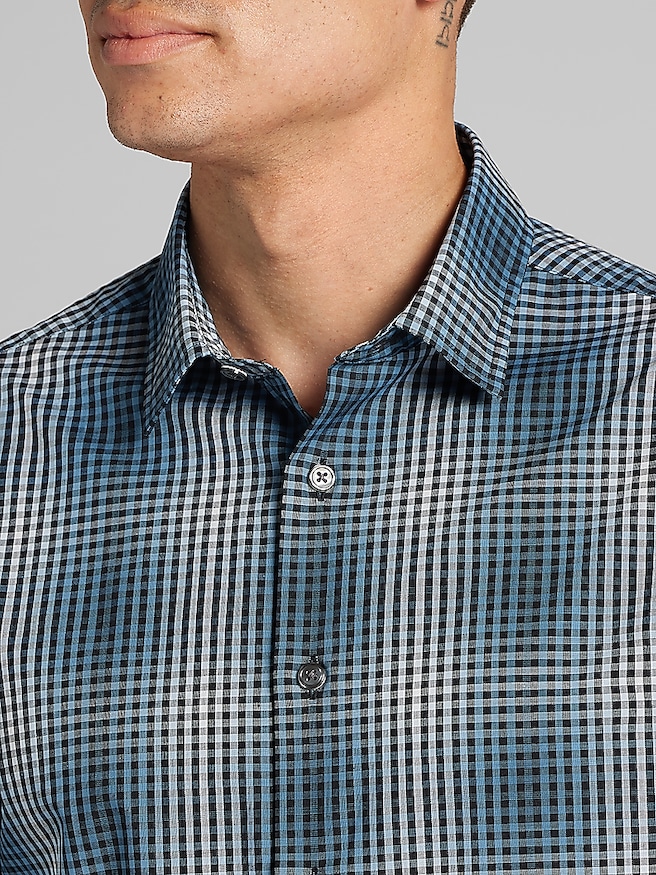
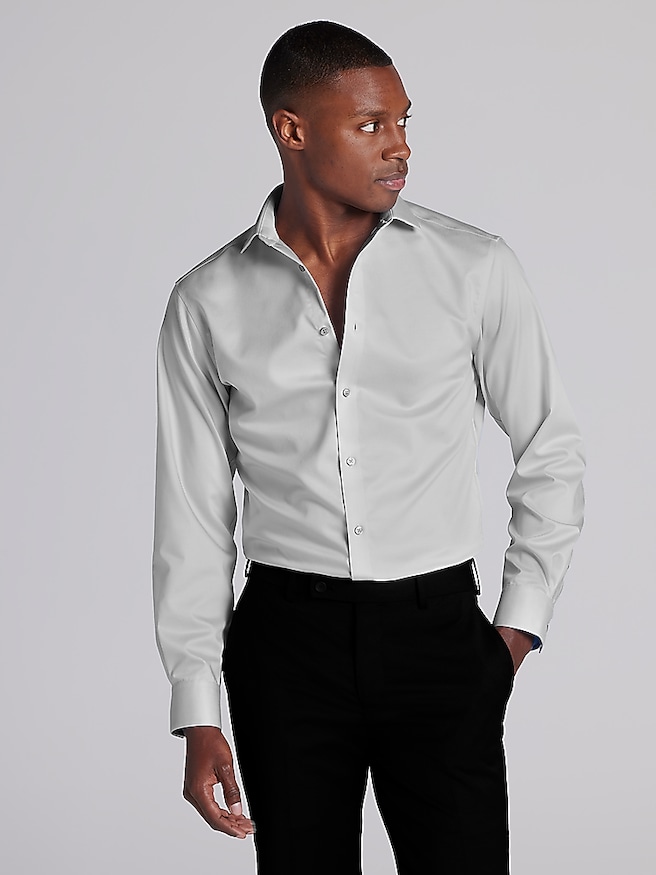
Moisture-wicking shirts are designed to help manage perspiration, making them a practical choice for active days, demanding work, travel, and everyday comfort. Unlike traditional cotton tops that can hold onto moisture and feel heavy after a workout, performance fabrics are engineered to move perspiration away from the skin and spread it across the outer surface, where it can evaporate more quickly. This process helps the shirt feel lighter and drier while supporting a more comfortable body temperature during movement. Polyester is a common fabric choice because it is lightweight, durable, quick drying, and less likely to become saturated during exercise. Some shirts also include elastane or similar stretch fibers for easier movement, while others use a brushed or soft-touch finish for a smoother feel against the skin. Breathable construction, mesh panels, and ventilated areas can encourage airflow without making the shirt feel flimsy. These details are useful during gym sessions, runs, hikes, yardwork, outdoor labor, recreational sports, and long days spent on the move. They can also be comfortable as casual layers under a sweatshirt, quarter-zip, jacket, or overshirt during cooler months. When choosing a moisture-wicking shirt, consider the activity first. A close-fitting style can reduce excess fabric and work well as a base layer, while a relaxed cut may offer more airflow and a casual appearance. Short sleeves can be useful in warm conditions or indoors, while long sleeves provide additional coverage for early starts, changing temperatures, or outdoor routines. A crew neckline creates a familiar athletic look, and a collared design may transition more easily between active and casual settings. Look for flat seams or smooth stitching if chafing is a concern, particularly for running, cycling, hiking, or extended wear. A longer hem can provide better coverage when bending, stretching, or reaching, and a little stretch can make a noticeable difference when lifting, commuting, or working with your hands.
Fit and fabric weight are equally important when comparing moisture-wicking shirts. A shirt that is too tight may feel restrictive, while one that is too loose can trap folds of damp fabric against the body or catch during activity. The best fit usually allows comfortable movement through the shoulders and arms without pulling across the chest or riding up at the waist. Lightweight fabric is often preferred for intense exercise and warm environments, while a slightly heavier performance knit can provide a more substantial feel for layering during cooler weather. Some fabrics are treated to help resist odors, though proper washing remains important for maintaining freshness and performance. Follow the care instructions, wash sweaty shirts soon after use when possible, and avoid fabric softener if the label advises against it, since certain softeners can coat fibers and reduce moisture movement. Quick-drying construction is especially helpful for travelers, outdoor workers, and anyone who needs a shirt to be ready again after a short wash. Color and design can also influence versatility. Neutral shades can work beneath business-casual layers or coordinate with athletic bottoms, while brighter colors and contrast details can improve visibility outdoors. If sun exposure is part of the routine, check the garment description for stated ultraviolet protection rather than assuming every performance shirt offers it. Those seeking a polished option for the office, ceremonies, or occasions that call for a sharper appearance can also explore Moisture Wicking Dress Shirts For Men, where performance-minded comfort is paired with a more refined presentation. Thinking about the full day helps narrow the selection: a commuter may value wrinkle resistance and a clean neckline, a runner may prioritize low-friction seams and a secure fit, and someone working outdoors may look for coverage, durability, and dependable drying performance.
Moisture-wicking shirts can make thoughtful gifts for a man who spends time at the gym, enjoys weekend trails, plays recreational sports, travels often, or works in a warm and physically active setting. They are also useful for college students, new homeowners tackling outdoor projects, and anyone building a more versatile casual wardrobe. Because the style is practical and easy to wear, it can be a particularly helpful gift when personal preferences are not fully known; a classic color, comfortable regular fit, and simple neckline tend to work across many routines. For a more personalized choice, consider the recipient’s usual environment and habits. A person who trains indoors may appreciate a soft, lightweight shirt with stretch, while a hiker or outdoor worker may prefer long sleeves, a structured fit, and added coverage. Someone who travels may benefit from wrinkle resistance, quick drying, and fabric that packs compactly. During the cooler months, a moisture-wicking shirt can serve as the first layer beneath flannel, knitwear, or outerwear, helping reduce the clammy feeling that can come from moving between brisk outdoor air and heated indoor spaces. As the weather shifts, layering also allows the same shirt to remain useful beyond workouts: wear it beneath a casual button-up for a relaxed look, under a sweater for added comfort, or on its own when indoor activity raises the temperature. With the right fit and fabric, a moisture-wicking shirt becomes one of those reliable wardrobe pieces that earns frequent rotation, supporting comfort from the first active step of the day through the final stretch at home.