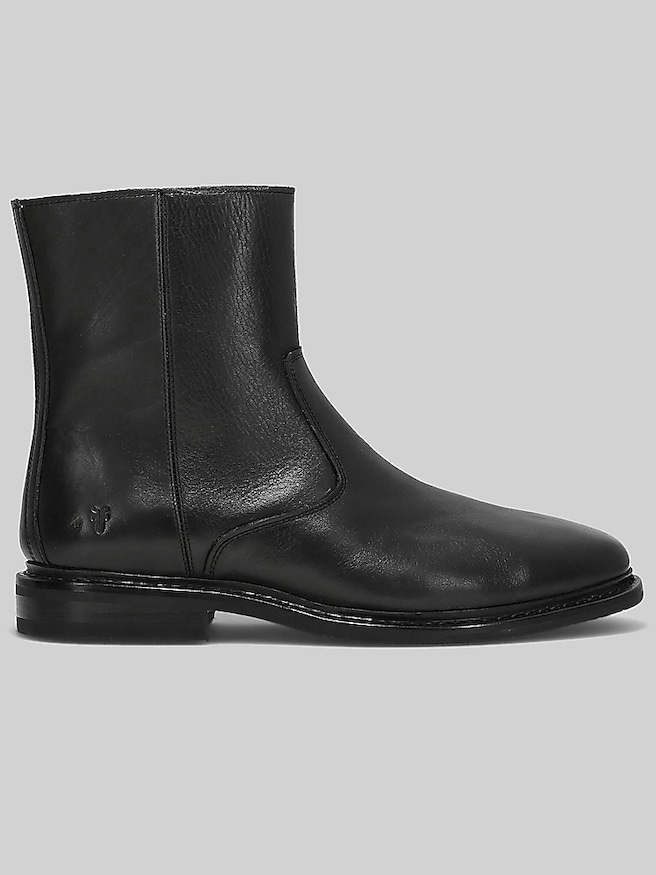
Quality work boots are built for more than a rugged appearance. They are made to support long hours on concrete, uneven ground, ladders, loading docks, workshop floors, and changing outdoor terrain while helping feet stay protected and comfortable. The right pair can make a noticeable difference by the end of a demanding shift, when every step across a jobsite seems to land a little harder than the one before. When comparing work boots, start with the conditions in which they will be worn. Construction professionals, warehouse teams, landscapers, mechanics, farm and ranch workers, tradespeople, delivery drivers, and anyone who spends the day on their feet may need a combination of durability, traction, protection, and dependable comfort. Some boots are designed with a safety toe for protection against falling or rolling objects, while others use a soft toe for lighter-duty work where a protective cap is not required. Steel toes have a traditional reputation for strength, while composite toes can offer a lighter feel and may be preferred in environments where metal-free footwear is needed. Workplace requirements should always guide the decision, including whether the job calls for an electrical hazard rating, puncture resistance, or protection from specific materials. A quality pair should feel secure without pinching across the toes, and there should be enough room to flex naturally while walking, climbing, or crouching. Trying boots on with the socks that will be worn during a shift is a practical way to judge the fit. Feet can swell after hours of standing, so a comfortable boot should not feel tight by late afternoon. A firm heel hold, supportive insole, cushioned collar, and lacing system that keeps the foot in place can help reduce slipping inside the boot and ease the strain of repeated movement.
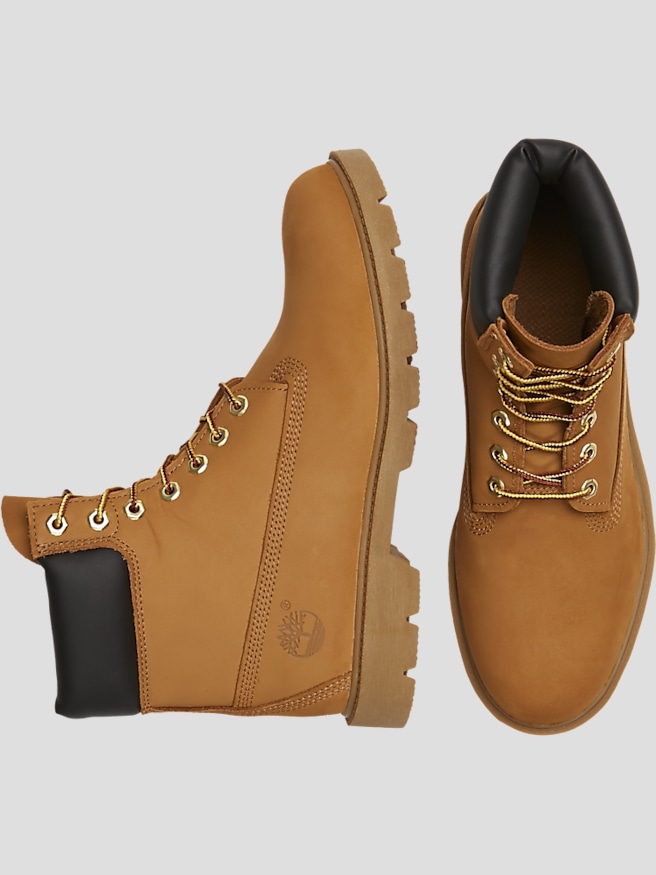
Material and construction play an equally important role in how work boots perform over time. Full-grain leather is valued for its substantial feel, natural durability, and ability to develop a distinctive patina as it is worn. It can be a reliable choice for demanding routines, especially when cared for with the appropriate conditioner or leather treatment. For a broader selection of rugged everyday styles, explore Leather Work Boots. Waterproof construction is especially useful for jobs that involve rain, wet grass, mud, snowmelt, or frequent contact with damp surfaces. Look for boots with sealed seams, waterproof membranes, gusseted tongues, and materials designed to keep moisture from working through the upper. Water resistance can help in light exposure, but a fully waterproof design is a better match for consistently wet conditions. Breathability also matters, particularly when boots are worn for long stretches as the weather warms. A boot that balances weather protection with ventilation can help feet feel fresher during active shifts, while insulation may be more important during cooler months or early-morning work outdoors. The outsole deserves close attention because it is the part of the boot that meets every surface. Deep, well-spaced tread can help shed mud, while slip-resistant rubber compounds may provide added confidence on wet concrete, oily floors, or smooth ramps. A heeled outsole can suit workers who spend time on ladders or uneven ground, while a flatter wedge-style sole may offer a stable, comfortable platform for walking and standing on hard surfaces. If electrical hazards are part of the work environment, check for the appropriate EH rating rather than assuming any thick sole provides the required protection. Durable stitching, reinforced toe and heel areas, a sturdy welt or bonded construction, and abrasion-resistant panels can all extend the useful life of a pair. Details such as pull tabs, speed hooks, and flexible uppers may seem minor at first, but they become valuable when boots need to be put on quickly before an early start or removed after a long day.
Quality work boots can be a practical purchase for a new job, a change in responsibilities, or a loved one who spends every day working with their hands. They also make a thoughtful gift for someone beginning an apprenticeship, joining a trade, tending property, or replacing a worn-out pair that has carried them through countless shifts. For gifting, focus on the recipient’s work environment rather than choosing only by appearance. A person working indoors may appreciate lightweight cushioning and a flexible sole, while someone outdoors may need waterproofing, stronger traction, insulation, or a protective toe. Fit is personal, so a gift receipt or an opportunity to exchange sizes is useful, particularly when the boots include thick linings or safety toes that affect the feel. Break-in time should be considered as well. Even comfortable leather may feel firm at first, and wearing new boots for shorter periods before tackling a full shift can help the upper mold to the foot. Good socks, moisture-managing insoles, and regular cleaning can further improve comfort and longevity. After exposure to mud or water, brush away debris and allow boots to dry naturally away from direct heat, which can cause leather to stiffen or crack. As conditions shift from warmer days to cooler, wetter weather, versatile work boots become a dependable part of a practical wardrobe, ready for commutes before sunrise, dusty floors, damp paths, and the steady miles covered during a full day’s work. The best pair brings together the protection a job demands, the traction the ground requires, and the comfort needed to keep moving from the first task to the last.