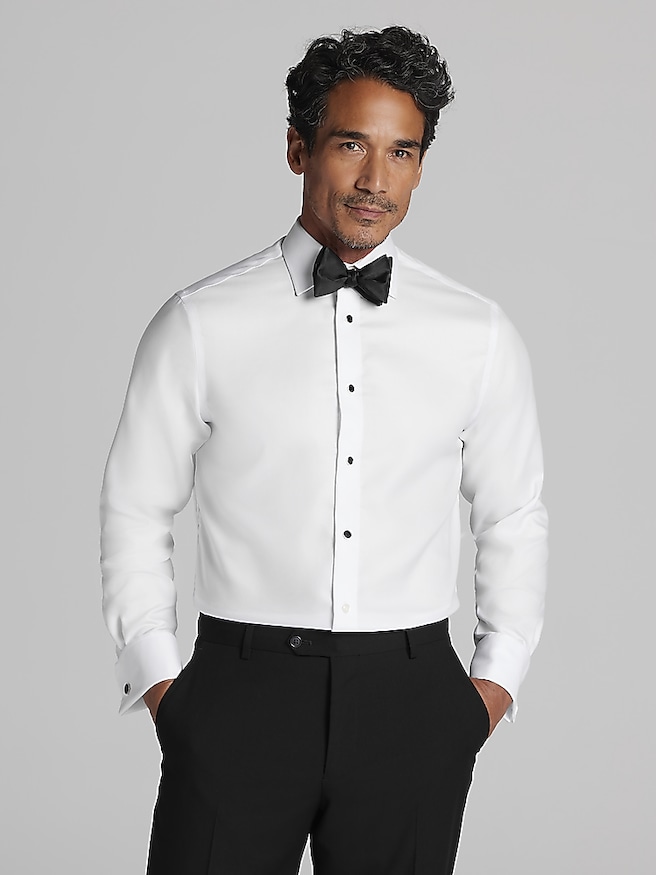
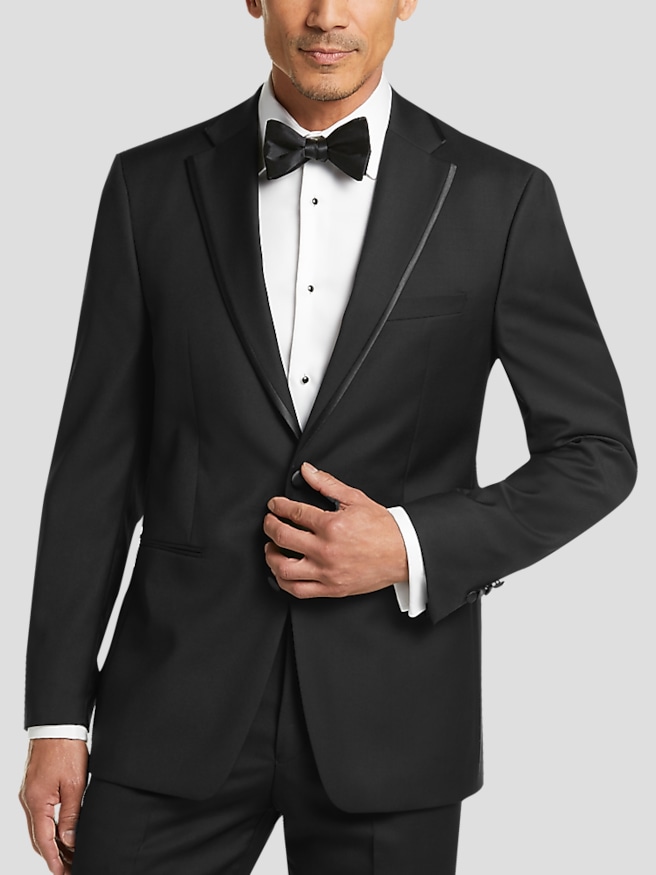
Quality tuxedos combine well-chosen fabric, balanced tailoring, clean construction, and carefully finished formal details. Their appeal lies in how those elements work together: a jacket that follows the shoulders without pulling, trousers that hang smoothly, and lapel facings that catch the light without overwhelming the cloth. For weddings, black-tie galas, formal dinners, and milestone celebrations, that balance creates a polished appearance that feels appropriate from the first photograph to the final toast. Wool is a traditional foundation because its natural resilience supports a clean drape and helps the garment recover between wears. Wool barathea has a subtly textured surface that gives black eveningwear depth, while finely woven merino wool can create a smoother appearance with a soft hand. Wool blends offer additional possibilities, with the fiber composition and weave influencing breathability, shape retention, and surface texture. Fabric quality is not simply a matter of softness; cloth also needs enough substance to hold its shape through seated dinners, receiving lines, and hours on the dance floor. Lapel facings introduce the contrast associated with a tuxedo. Silk satin has a smooth, lustrous finish, while grosgrain brings a more restrained sheen and visible ribbed texture. Peak lapels create a crisp, angular frame across the chest, and a shawl collar forms a continuous curve with a softer visual effect. Black remains a classic choice, while midnight blue offers another established expression of formal eveningwear. Matching trousers, often finished with a coordinating braid along the outside seam, complete the traditional silhouette. Inside the jacket, construction contributes to comfort and shape. A full canvas can help the chest settle naturally with wear, while half-canvas construction supports the upper jacket with a different internal structure. Either approach still depends on sound workmanship, appropriate fabric, and a fit that suits the wearer. Neat stitching, smoothly finished edges, secure buttons, and lapels that lie cleanly are practical signs of attention to detail rather than decoration alone.
Fit gives quality tuxedos their presence, whether the overall silhouette is close and streamlined or more generously cut. The shoulder line establishes the jacket’s foundation: it should sit cleanly without collapsing at the sleeve head or extending so far that the upper body looks swallowed by fabric. Across the chest, a comfortable jacket allows natural movement without obvious pulling at the button, and the lapels remain flat rather than bowing outward. A collar that rests against the shirt helps the back neckline look finished in photographs, especially during a ceremony or seated dinner. Jacket length also affects proportion, balancing the torso with the legs instead of relying on a particular fit label. Slim, tailored, and classic descriptions can suggest a shape, but they do not replace the relationship between the garment and an individual build. Someone with broader shoulders may need more room through the upper back even when a defined waist is preferred. Someone who spends much of an event seated may appreciate additional ease through the trousers and jacket. Formal trousers look most composed when the waistband stays comfortably in position and the fabric falls without strained pockets or heavy bunching at the ankles. Side adjusters or properly fitted suspenders can support a clean waistline without a belt interrupting the traditional look. A modest trouser break creates a tidy finish over dress shoes, though the exact length depends on the cut and the wearer’s proportions. Tailoring can refine sleeves, hems, and waist shaping, while the shoulders and overall balance deserve particular attention from the beginning. The surrounding pieces matter as well. A formal shirt creates a crisp backdrop, a bow tie draws attention toward the face, and a waistcoat or cummerbund can cover the waistband in a traditional black-tie combination. Smooth leather shoes, understated cuff links, and a neatly folded pocket square complete the outfit without competing with its main lines. The result should feel composed in motion, not merely precise while standing still.
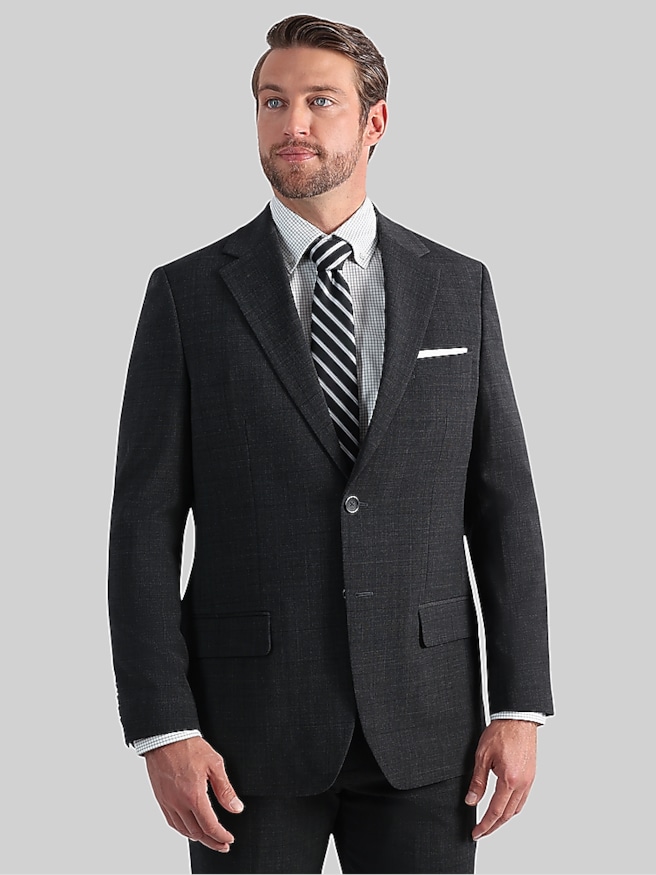
Long-term quality becomes especially noticeable after the first event, when a tuxedo needs to retain its shape, finish, and usefulness for the next occasion. A durable garment balances fabric character with dependable seams, stable linings, and details that tolerate repeated wear. Extremely delicate cloth is not automatically a better choice for someone attending several formal events a year; a slightly more substantial fabric may provide the structure and resilience that routine use requires. A wedding participant moving between photographs, dinner, and dancing has different demands than someone wearing formalwear for a short awards presentation, but both benefit from comfortable arm movement and trousers that remain easy to sit in. For a first prom or a graduation-related formal celebration, straightforward styling can keep the focus on a confident fit rather than elaborate embellishment. For an established black-tie wardrobe, classic proportions make it easier to vary shirts and accessories while preserving the tuxedo’s identity. The fabric, fit, and finishing that distinguish Great Quality Suits matter just as much in eveningwear, with contrasting facings and coordinated formal details setting tuxedos apart. Care helps protect those details. After wear, a broad, shaped hanger supports the jacket’s shoulders, while hanging trousers neatly helps maintain their line. Allowing the garments to air before placing them in a breathable garment bag helps keep them fresh without trapping moisture. Care-label instructions take priority, and professional cleaning is best reserved for when the garment needs it rather than treated as an automatic step after every outing. Spills on wool or delicate lapel facings deserve prompt professional attention; vigorous rubbing can spread a stain or disturb the surface. Professional pressing can restore a crisp appearance without risking the shine or flattened texture that excessive direct heat may create. With thoughtful care and appropriate alterations as fit needs change, a well-made tuxedo can remain a dependable part of a formal wardrobe, ready for meaningful occasions without needing to reinvent the look each time.