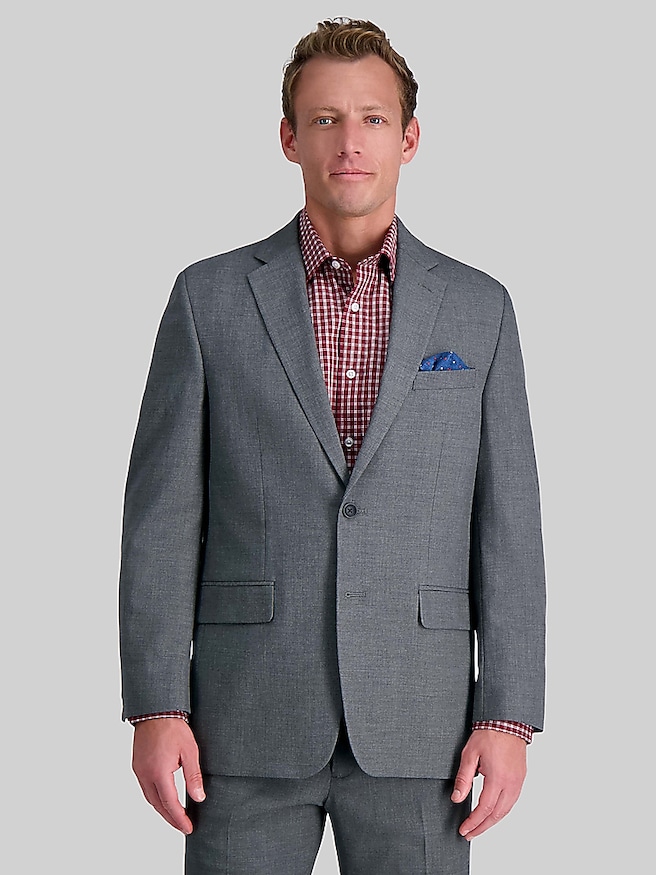
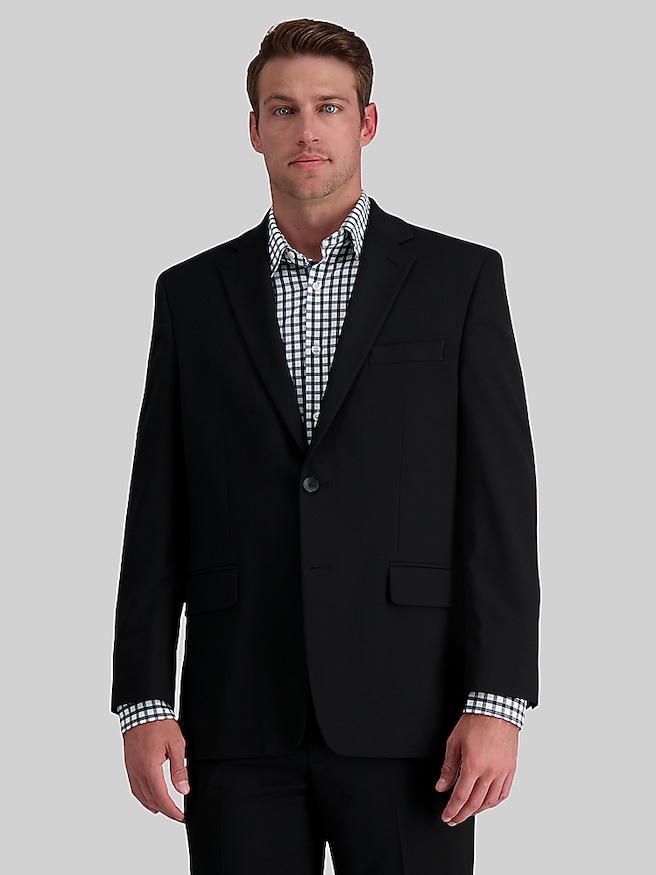
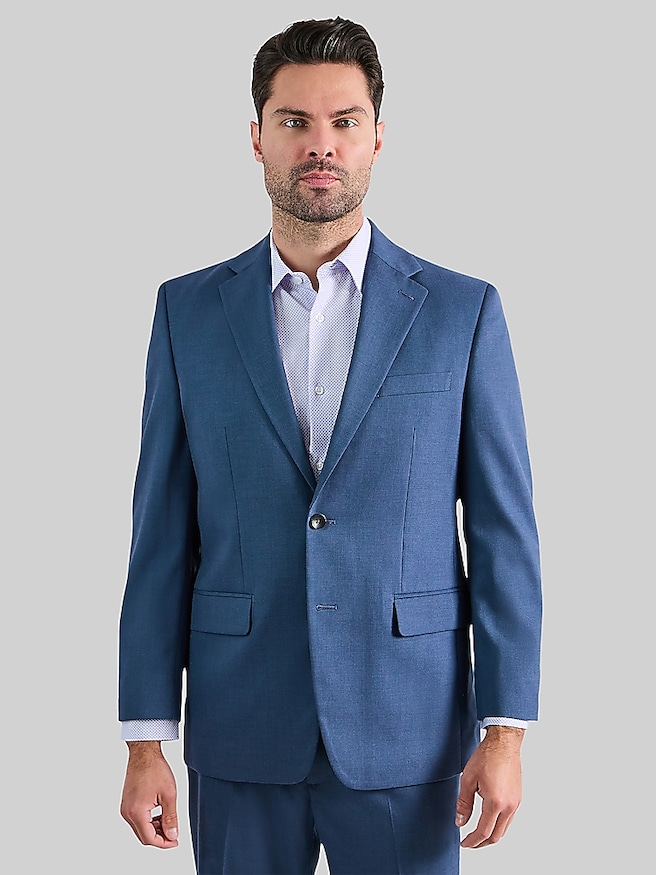
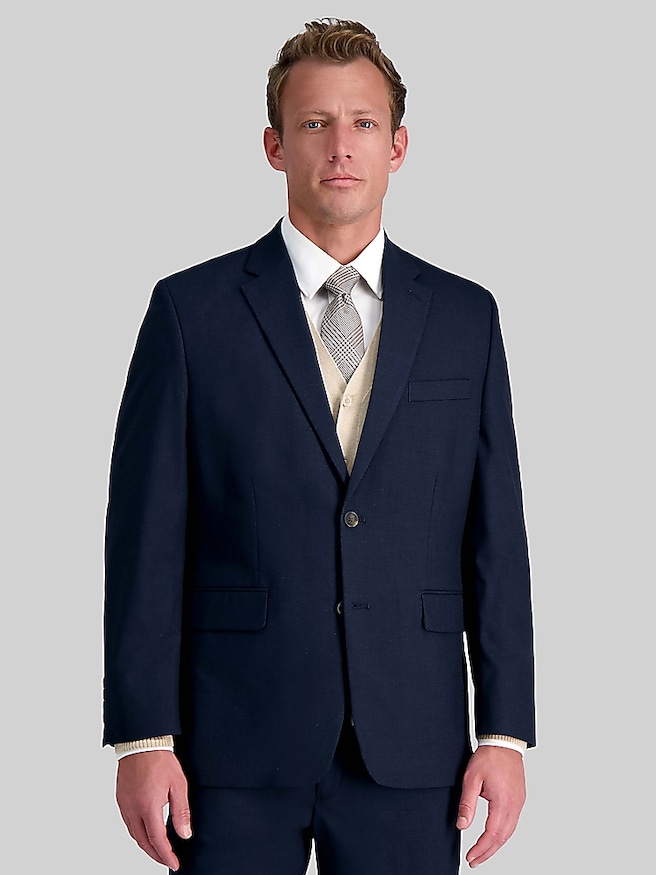
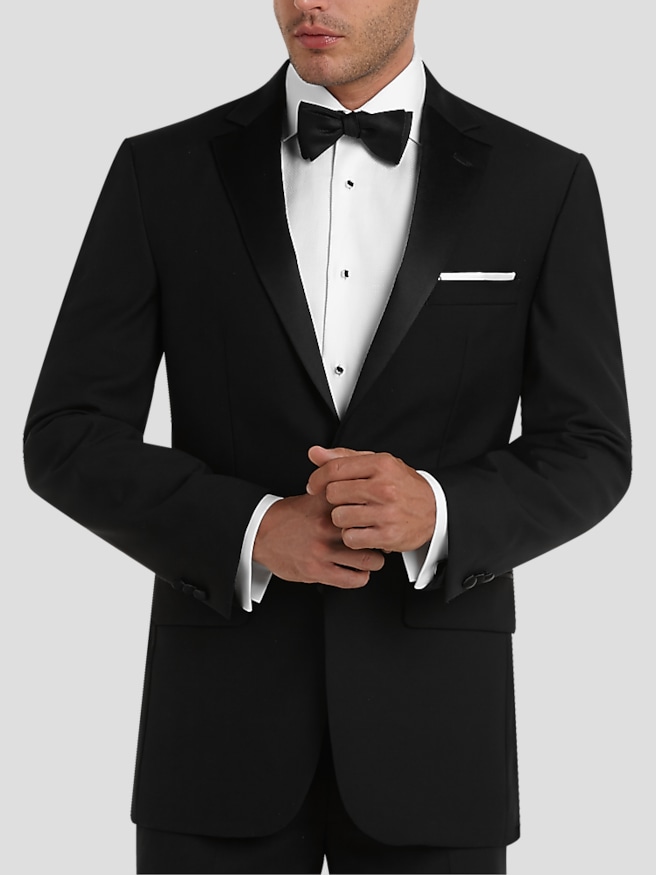
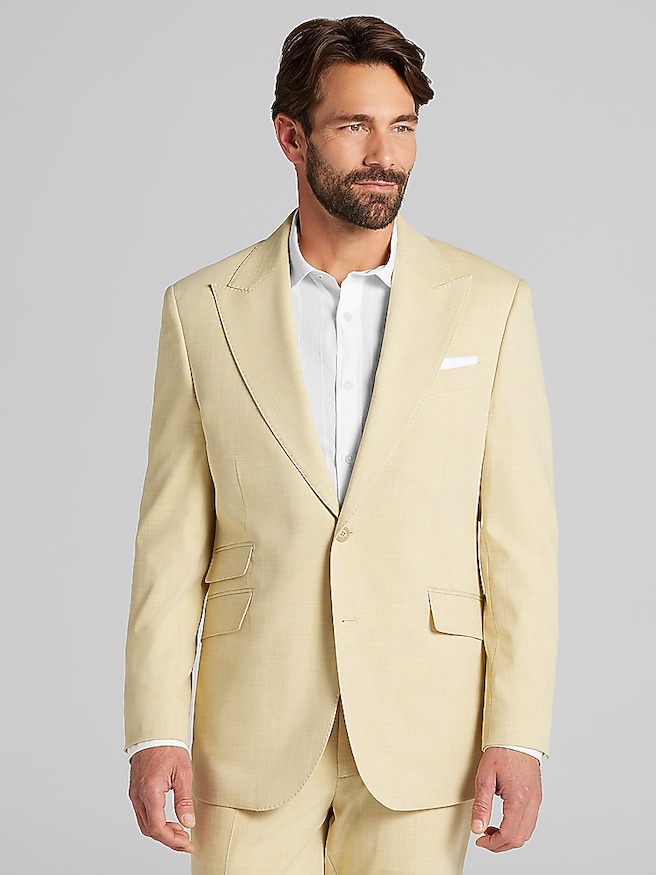
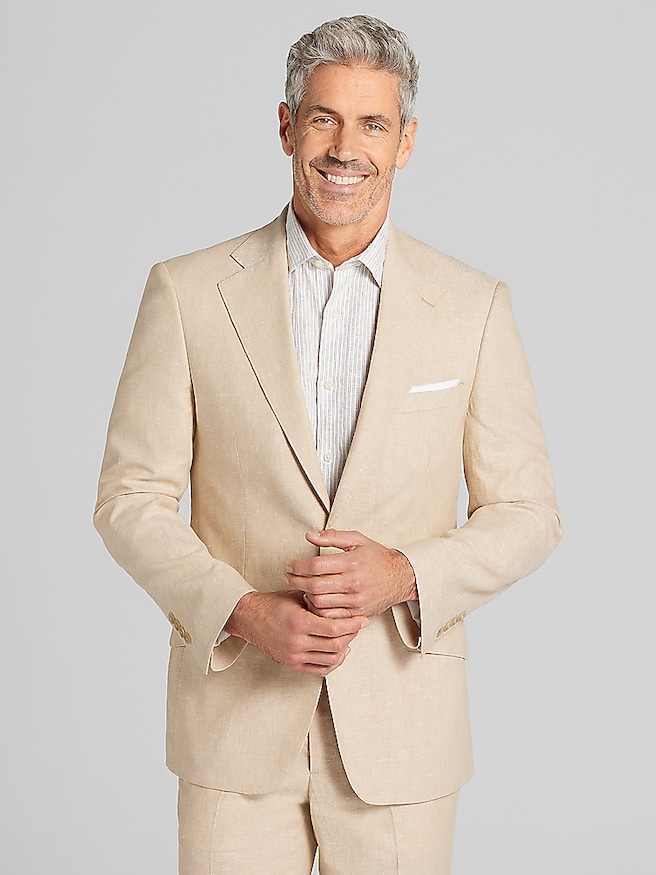
Great quality suits bring together the details that make tailored clothing feel comfortable, polished and dependable: a well-chosen fabric, thoughtful construction and a fit that follows the shape of the wearer without restricting movement. For many men, a suit is an investment in confidence as much as clothing. It may be the outfit worn to stand beside a friend at a wedding, address a room at an important presentation, interview for a new opportunity or attend a formal celebration during the cooler months. A versatile suit can also become one of the most useful pieces in a wardrobe, especially when its jacket and trousers can be styled separately for a range of dress codes. When comparing options, begin with the fabric. Natural wool remains a trusted choice because it is breathable, resilient and able to regulate comfort across changing conditions. Lightweight tropical wool can feel airy as the weather warms, while a substantial wool weave offers a little more warmth and structure during cooler days. Wool-linen blends can provide a relaxed texture for less formal settings, and a small amount of stretch may make sitting, commuting and moving through a long event more comfortable. A smooth finish is often appropriate for business and formal wear, while subtle texture can add depth without making the suit feel difficult to coordinate. Color also affects versatility: navy, charcoal and other understated shades work across professional settings and celebrations, while lighter neutrals can bring an easy, seasonal quality to daytime gatherings. The best choice depends on how often the suit will be worn, the occasions it needs to cover and the rest of the wardrobe it will join.
Construction is another useful way to evaluate quality beyond appearance. In a fused jacket, the internal support is bonded to the outer fabric, which can create a clean look at an accessible price. Half-canvas construction adds a layer of flexible support through the chest and lapels while allowing the lower portion of the jacket to remain lighter. A full-canvas jacket uses that internal structure throughout, helping the garment settle naturally and develop a more personal shape with wear. Canvas is not the only measure of a good suit, and a beautifully finished fused garment can be a practical choice, but understanding the difference helps shoppers match construction to expectations, frequency of wear and budget. Look closely at the lapels, buttonholes, lining and seams. Lapels should lie smoothly against the chest, the lining should move comfortably without pulling and the stitching should appear even and secure. A quality suit should hold its shape while remaining comfortable enough for a full day, from the first photographs at a ceremony to dinner afterward. Care has a meaningful effect on longevity as well. Use a broad, supportive hanger, give the suit time to air between wears and rely on professional cleaning only when needed. A garment bag can help protect it while traveling, and a light garment steamer may release wrinkles without the harsh pressure of an iron. Avoid overloading pockets, since keys, phones and wallets can distort the jacket and trousers. These small habits preserve the drape and finish that made the suit appealing in the first place. For additional inspiration, explore Smooth Suits when looking for a clean, refined foundation that can move easily from formal occasions to polished everyday dressing.
Fit remains the most important consideration, often making a greater visual difference than a label or a higher price. The shoulder seams should rest at the natural edge of the shoulders rather than extending beyond them, since this area is difficult to alter substantially. The jacket should close without pulling across the button or creating a pronounced X-shaped strain, and the chest should lie smoothly when the wearer stands and moves. Sleeves generally look balanced when a small amount of shirt cuff is visible, while trouser hems should meet the shoes neatly without excessive pooling. A tailor can refine sleeve length, trouser length, the waist and other details so the suit looks intentional rather than simply selected from a rack. It helps to try on a suit with the type of shirt and shoes likely to be worn with it, since those pieces affect proportions and overall impression. Consider the intended wearer, too. A first suit for a recent graduate may need to transition from interviews to office presentations, while a wedding guest may value a fabric that remains comfortable through travel, photographs and hours of conversation. A well-made suit can also be a thoughtful gift for a partner, son, father or graduate, particularly when paired with an understanding of the recipient’s usual style and measurements. When sizing is uncertain, gift cards, exchanges or professional fitting support can make the experience easier. During late summer and the cooler months, these suits can serve equally well at outdoor ceremonies, evening receptions, business gatherings and formal dinners when styled with the right shirt, tie, shoes and outer layer. Choose quality with real use in mind, prioritize comfort and proportion, and look for a suit that feels natural after it has been worn for more than a few minutes. The strongest wardrobe investment is one that earns repeat wear because it fits well, feels dependable and makes the wearer ready for the occasion ahead.