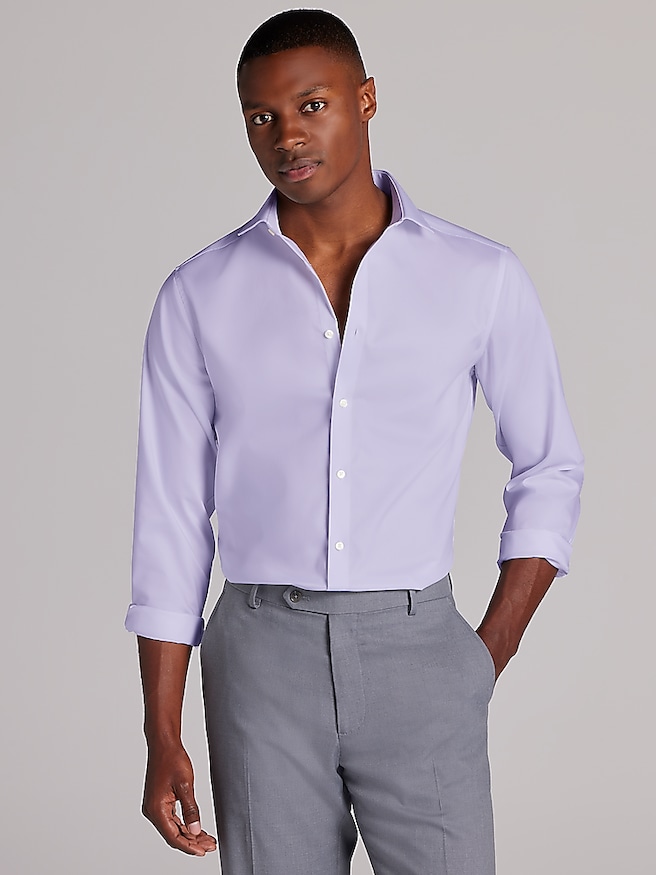
Purple summer shirts add color to warm-weather dressing without requiring a loud print or an elaborate outfit. The range runs from pale lilac and dusty lavender to richer violet and plum, with each shade creating a slightly different impression. Light purple feels easy alongside white, stone, and light gray, while deeper shades provide more contrast with beige chinos or navy trousers. A washed finish can make purple look understated and casual; a smoother fabric gives the same color a sharper appearance. Beyond the shade, the fabric and its construction determine much of a shirt’s comfort and character. Cotton is a familiar choice for its softness and absorbency, with lightweight poplin offering a relatively smooth surface and cotton knits providing a more relaxed feel. Linen has a distinctive texture and typically allows good airflow, making it well suited to summer clothing. Its natural creases are part of its appearance rather than a sign that the shirt has lost its shape. Cotton-linen blends can balance that textured look with a softer hand, though the exact feel depends on the blend and weave. Fabrics containing viscose may have a fluid drape, while a small amount of stretch can make movement easier through the shoulders and arms. Fiber content alone does not tell the whole story: a tightly woven, substantial fabric can feel warmer than a lighter, more open construction made from the same fiber. For a sunny afternoon outdoors, breathability and a comfortable cut are especially useful; for an indoor dinner, a smooth finish and a collar that holds its shape may matter more. Pale fabrics can also be slightly sheer, so an unobtrusive undershirt may be helpful when extra coverage is preferred. These practical differences give purple summer shirts a place in everything from relaxed vacation clothing to more polished outfits for work and celebrations.
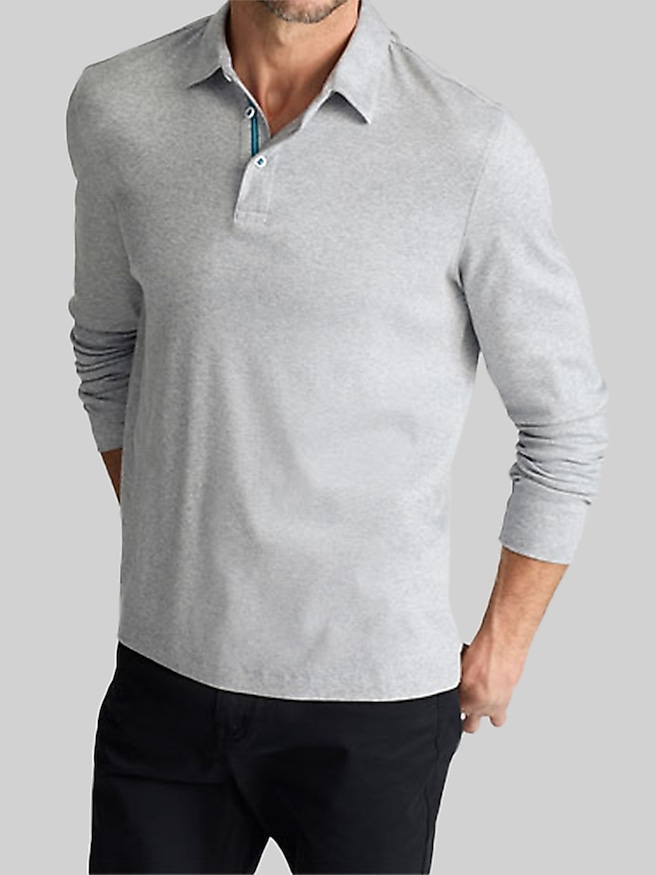
The silhouette sets the tone just as clearly as the color. Short sleeves and an open collar create an easy look for a patio lunch, a beach-town dinner, or an informal gathering. A polo brings a defined collar together with the comfort of a knit, while a simple crewneck keeps the emphasis on color and texture. Long-sleeved shirts provide more coverage and can look polished with the cuffs fastened or relaxed with the sleeves neatly rolled. For outfits built around a collar and front placket, Purple Button Up Shirts work naturally with chinos, tailored shorts, and lightweight jackets. Fit matters across all of these shapes. On a traditionally cut shirt, shoulder seams generally sit near the ends of the shoulders, and the fabric should allow comfortable reaching without pulling sharply across the back. A deliberately relaxed or dropped-shoulder design will sit differently, so its intended silhouette matters more than a single fit rule. Slim cuts create a closer outline, but they still need enough room through the chest and waist for sitting and moving. Regular and relaxed fits offer more ease without needing to look oversized. A button front that pulls open across the chest usually signals that more room is needed, while excessive fabric gathering at the waistband can make a tucked shirt look bulky. Hem length is another useful distinction: shorter, straighter hems often look balanced untucked, whereas longer shirttails are generally better suited to staying inside trousers. With short sleeves, an opening that skims the upper arm tends to look cleaner than one that grips tightly or flares dramatically. Collar construction also changes the effect. A soft camp collar suits an informal setting, while a more structured collar works well when a jacket is involved. These details let the shirt feel appropriate to the occasion without sacrificing comfort.
Purple is surprisingly straightforward to coordinate when the surrounding pieces stay simple. A lavender shirt with stone chinos and brown loafers creates a soft, composed combination for dinner, while a muted violet shirt with navy trousers has enough contrast for many business-casual settings. White shorts make lighter purple shades feel crisp and distinctly summery; medium-wash denim gives them a more everyday character. Small checks, narrow stripes, and subtle woven patterns can introduce purple with less visual intensity than a solid saturated shade. For an outdoor wedding or another dressed-up occasion, the invitation’s dress code takes priority: a pale purple dress shirt can complement a light gray suit, but a casual short-sleeved style will not serve the same purpose. A patterned tie can connect the shirt to the jacket through a small shared color rather than an exact match. Purple summer shirts can also make thoughtful gifts for a father, partner, or friend who already enjoys blue, pink, or other colorful shirts. A familiar fit and an easy-to-pair shade are often more useful than choosing a dramatic color in an unfamiliar cut. Long-term wear depends partly on construction and partly on care. Even stitching, securely attached buttons, and neatly finished seams are useful signs of careful assembly, although no single detail guarantees durability. The care label remains the best reference because similar-looking fabrics may need different treatment. When machine washing is permitted, washing with similar colors and avoiding unnecessary heat can help preserve the finish and reduce shrinkage risk. Promptly removing a shirt from the washer or dryer can limit stubborn creases, while linen may still retain its characteristic rumpled texture. Any ironing or steaming should follow the fabric’s recommended settings, with particular attention to blends and textured finishes. Hung neatly or folded once fully dry, a well-cared-for shirt is easier to bring back into rotation for the next summer trip, casual Friday, or evening spent outside.