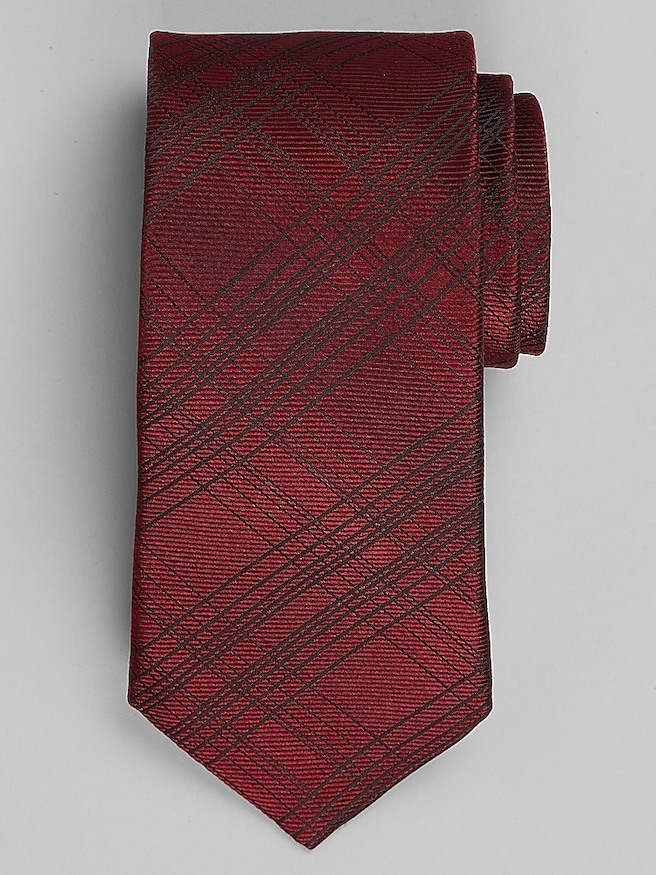
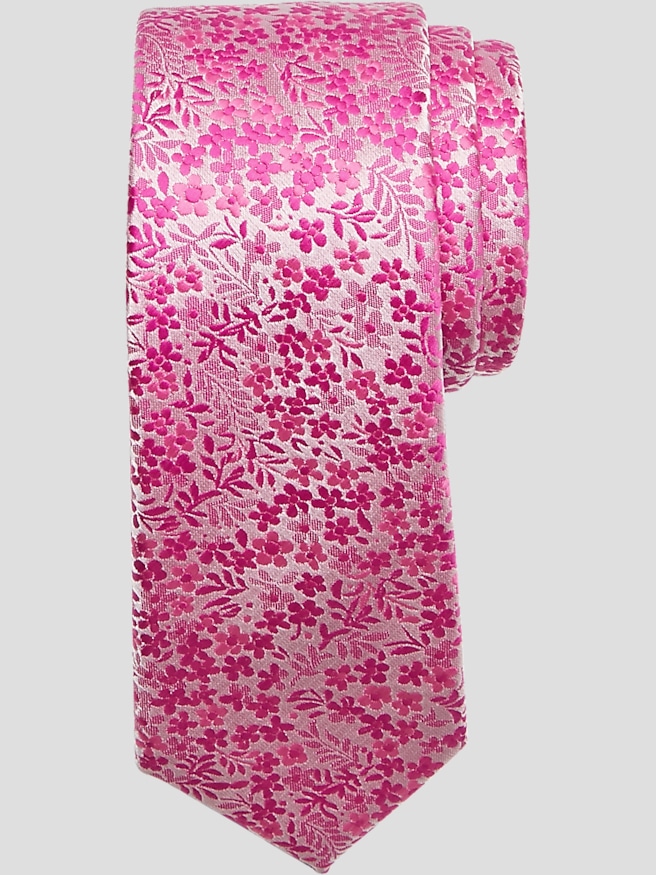
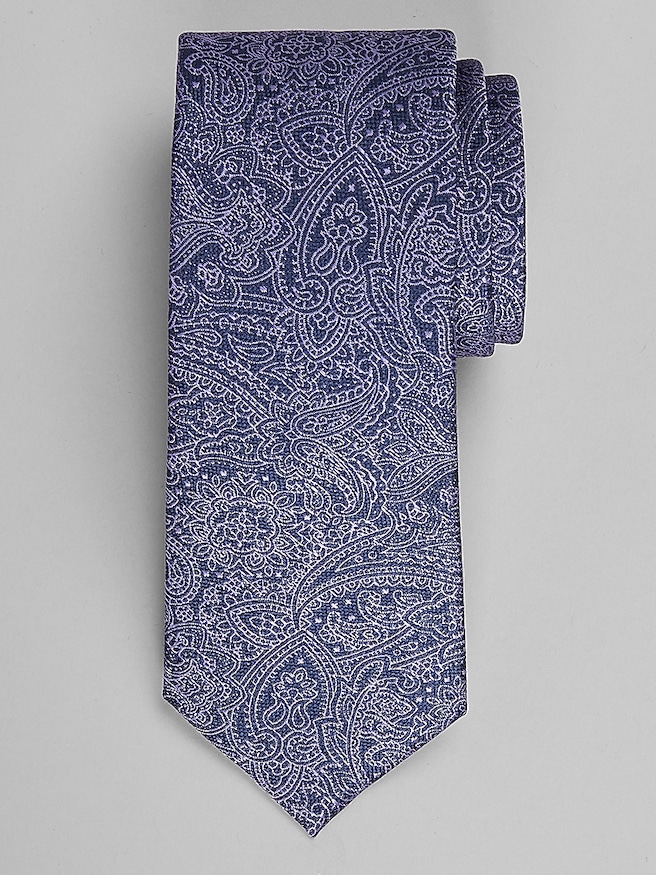
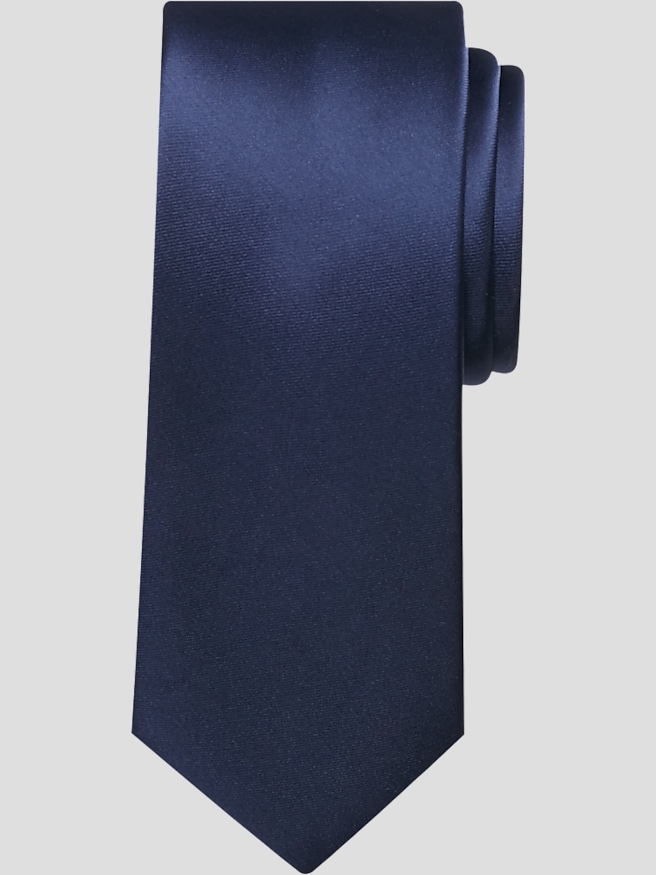
Purple plaid ties bring color, texture, and pattern to a well-dressed wardrobe without feeling overly formal or difficult to wear. Depending on the scale and contrast of the plaid, they can range from polished and traditional to relaxed and contemporary, making them suitable for business settings, celebrations, ceremonies, dinners, and everyday office attire. Deep plum, aubergine, and eggplant shades tend to create a refined look during the cooler months, while lighter lavender or lilac tones can add a brighter touch to a dress shirt and tailored jacket. Plaid may appear as a subtle woven check that reveals itself as you move, or as a more distinct combination of purple with navy, gray, black, white, gold, or burgundy. When choosing among purple plaid ties, consider the colors already present in the wearer’s closet, the formality of the event, and the overall scale of the pattern. A smaller plaid often works especially well for professional wardrobes because it reads as texture from a distance, while a larger or higher-contrast plaid makes a more noticeable statement for weddings, parties, photographs, and festive gatherings. A standard-width tie offers a timeless proportion with most suit jackets, while a narrower silhouette can feel more modern when worn with a trim suit or a less structured blazer. Fabric also influences the impression: silk typically has a smooth finish and gentle sheen suited to dressier occasions, microfiber is often practical and easy to maintain, and cotton or blended fabrics can give a purple plaid tie a softer, more relaxed character. Details such as a neatly finished bar tack, a substantial lining, and a balanced drape can make the tie easier to knot and more comfortable through a long day.
Pairing a purple plaid tie is straightforward when the rest of the outfit provides a calm foundation. A crisp white dress shirt offers the clearest contrast and allows the plaid to become the focal point, while a light blue shirt creates a softer combination that works naturally with navy, charcoal, and medium-gray tailoring. Solid shirts are generally the simplest choice when the tie has several colors or a prominent check. If pairing patterns, keep the shirt pattern smaller and quieter than the plaid, such as a fine stripe or restrained micro-check, and make sure the patterns differ in scale rather than competing evenly. Purple plaid ties look particularly sharp with solid dark gray, navy blue, or black suits, where the color adds personality without disturbing a polished appearance. Charcoal suits bring out the cooler side of purple, navy suits create a coordinated depth of color, and black suits provide a crisp, evening-ready contrast. For a less formal outfit, try the tie with a gray sport coat, dark trousers, and a pale shirt; the result feels put together while remaining comfortable for dinners, receptions, and office-to-evening plans. Accessories can echo one shade from the plaid without matching it exactly. A white pocket square with a simple fold keeps the look clean, while a pocket square that includes a small amount of purple, blue, or gray can tie the outfit together. Avoid choosing an identical tie and pocket square pattern, since a little variation looks more considered. Brown leather shoes and a matching belt can warm up a purple-and-gray combination, while black leather accessories suit darker purple plaids and formal tailoring. During the cooler months, these ties also work well with textured wool suits, flannel trousers, and structured jackets, adding a welcome note of color to heavier fabrics.
A purple plaid tie can be a thoughtful gift for a man building a more versatile work wardrobe, preparing for a wedding or formal event, or looking for an accessory that feels more distinctive than a solid neutral. It is also a useful choice for members of a wedding party when the color complements the event palette, particularly when different suit colors need one shared accent. For a gift, pay attention to the recipient’s usual proportions and clothing preferences: a classic-width tie is a dependable option for someone who favors traditional suits, while a slimmer style may suit a younger wardrobe or modern tailoring. If the tie is intended for frequent wear, a versatile medium or dark purple plaid with understated accent colors will coordinate with more shirts and jackets than an especially bright design. For occasional celebrations, a bolder check can give a familiar suit a fresh personality and stand out nicely in group photographs. Purple plaid ties are also easy to incorporate into seasonal wardrobes because the pattern feels at home with rich autumnal tones, cool winter neutrals, and layered tailoring without relying on a narrow holiday theme. Shoppers comparing options may want to review the tie’s length, blade width, fabric composition, care instructions, and color balance before making a selection. Taller wearers or those who prefer a larger knot may appreciate an extended length, while a standard length works for many traditional dress shirts and average proportions. A four-in-hand knot gives the plaid a relaxed, slightly asymmetrical finish, while a half-Windsor creates a fuller shape for spread-collar shirts and more formal occasions. Store the tie hanging or loosely rolled, and allow woven fabrics to rest between wears so the knot and material can recover. For another expressive pattern in a softer color family, explore Pink Paisley Ties as a complementary option for formalwear, gifting, and polished everyday dressing.