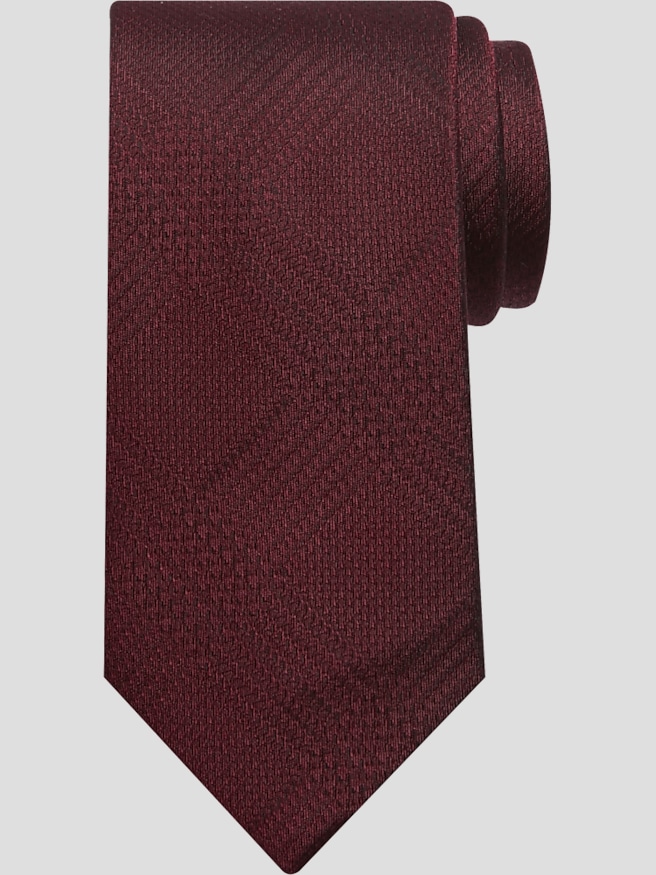
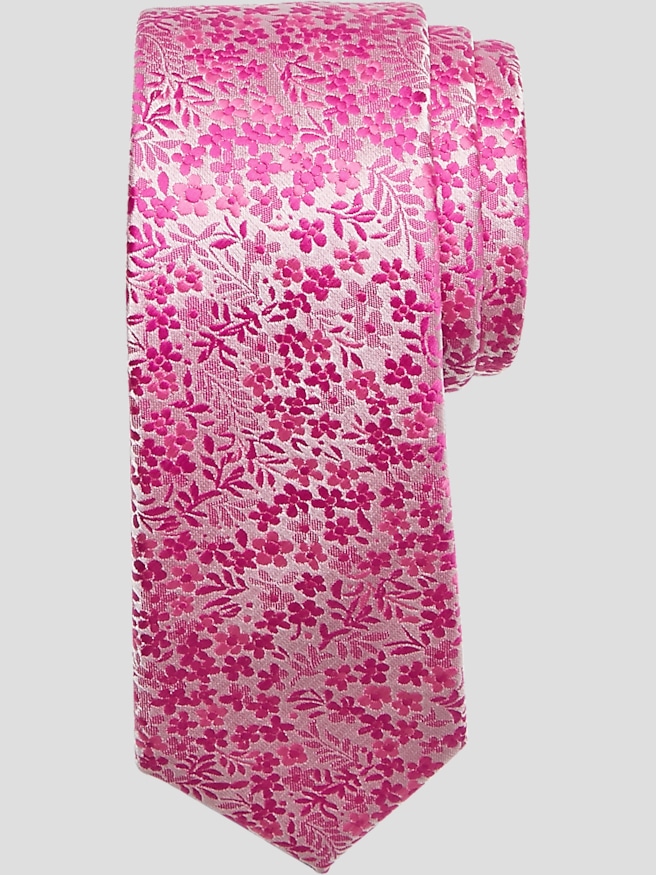
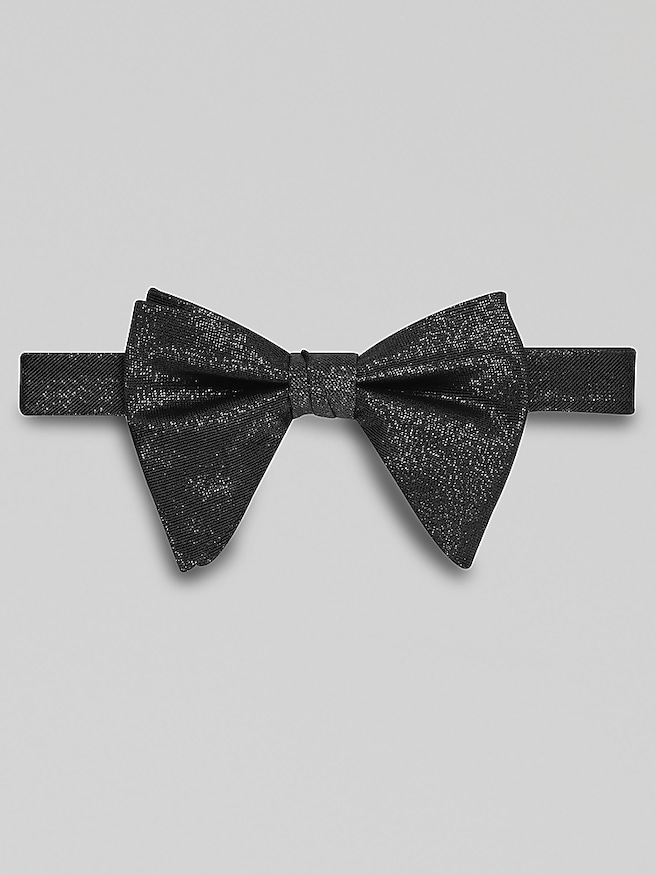
Purple designer ties span shades from pale lilac and lavender to deep plum, aubergine, and eggplant, giving a familiar suit-and-shirt combination a distinctive finishing touch. The appeal lies as much in the shade and texture as in the color itself: a soft lavender tie feels understated against a white shirt, while a rich plum tie creates a stronger focal point against light blue. Purple has a long association with distinction and ceremony, yet it also works comfortably in everyday professional wardrobes. Navy suits provide an especially versatile backdrop, balancing purple’s red and blue undertones without making the combination feel overly coordinated. Charcoal adds a more restrained frame, and medium gray allows subtle patterns and woven details to stand out. A Light Purple Tie introduces a softer contrast for wedding attire, graduation celebrations, or a polished business outfit. Deeper shades can bring depth to dinner attire and dressier occasions, particularly when the shirt stays crisp and simple. Solid purple ties emphasize color and texture, while small dots, repeating geometric motifs, paisley, and stripes add another layer of personality. A fine pattern may read almost like a solid from across a room, revealing its detail only in conversation. Larger motifs make a more expressive statement and usually feel most balanced with quieter shirting. A purple tie with a small navy accent can connect naturally to a navy jacket, while silver-gray details echo gray tailoring without requiring an exact match. The result should feel coordinated rather than assembled from identical pieces. Pocket squares can pick up a secondary color or introduce a complementary pattern instead of duplicating the tie. For wedding parties, a shared purple color family can create visual cohesion even when individual patterns vary, provided the overall dress expectations allow it. For an office presentation, a muted plum or tightly patterned lavender tie adds character while keeping the overall impression composed and professional.
Fabric and construction influence how a purple designer tie looks, knots, and holds its shape through repeated wear. Silk is valued for its smooth hand, natural luster, and ability to display saturated color, but its appearance varies considerably with the weave. A smooth satin weave reflects light more directly, giving purple a luminous finish that can feel especially dressed up. Twill introduces fine diagonal lines and a more measured sheen, while woven jacquard patterns bring visible depth through the structure of the cloth. Printed silk can carry intricate motifs with a comparatively smooth surface. Wool offers a softer, more matte appearance that complements textured tailoring, and cotton or linen can give purple a relaxed, less reflective character. Blended fabrics may balance softness, shape retention, and ease of care, although their performance depends on the particular fibers and construction. The designer designation alone does not establish durability; neat stitching, a balanced shape, and fabric that hangs without twisting are more useful signs of thoughtful workmanship. The inner lining also affects the tie’s body, helping determine whether the knot feels compact or substantial. A thick tie can form a bulky knot beneath a narrow collar, while a lighter fabric often sits more neatly in that space. Width matters for the same reason. A narrower blade generally relates well to slimmer lapels, while a fuller blade can balance broader lapels and more substantial tailoring. Neither needs to follow a rigid rule, but the proportions should look intentional together. Length is equally important: when tied, the front tip generally rests near the waistband, with the narrow end held discreetly behind it. Taller wearers and those who prefer larger knots may need additional length to achieve that balance. A four-in-hand produces a slightly asymmetrical knot with a compact profile; a half-Windsor gives a more centered shape without the bulk of a full Windsor. A small dimple beneath the knot adds dimension, allowing a solid purple fabric to show its texture rather than lying flat against the shirt.
Purple designer ties suit a wide range of personal styles, from the man who wears a tie most workdays to someone dressing for an occasional celebration. A subtle eggplant tie can become a dependable alternative to navy or burgundy, while a lilac pattern can bring a more individual note to a familiar gray suit. For interviews and client-facing meetings, restrained patterns and balanced proportions keep attention on the wearer rather than the accessory. For weddings, anniversary dinners, and milestone celebrations, a richer weave or more expressive pattern can feel appropriate without overwhelming the outfit. The invitation’s dress code still takes priority; events that specify a particular form of evening dress may call for a bow tie rather than a long necktie. As a gift, a purple tie can feel personal without requiring the precise measurements needed for a shirt or jacket. A father, brother, partner, friend, or recent graduate may appreciate a shade that works with clothing already in regular rotation. Someone who favors white and blue shirts is likely to have several easy combinations, while a recipient who enjoys patterned tailoring may prefer a quieter tie that brings those pieces together. Care helps preserve both the color and the construction. After wear, gently reverse the tying steps instead of pulling the narrow end through a tightened knot, which can strain the fabric and stitching. Give the tie time to relax, then store it loosely rolled or draped over a smooth tie rack, away from direct sunlight and rough surfaces. Follow the care label for cleaning, since silk, wool, linen, and blended fabrics can require different treatment. Rubbing a spill or applying water without checking the fabric can leave a mark, so delicate ties are often best assessed by a professional cleaner. Avoid pressing directly with high heat, which can flatten texture or create shine. With considerate handling, a well-made purple tie can retain its shape and remain a useful accent across many outfits and occasions.