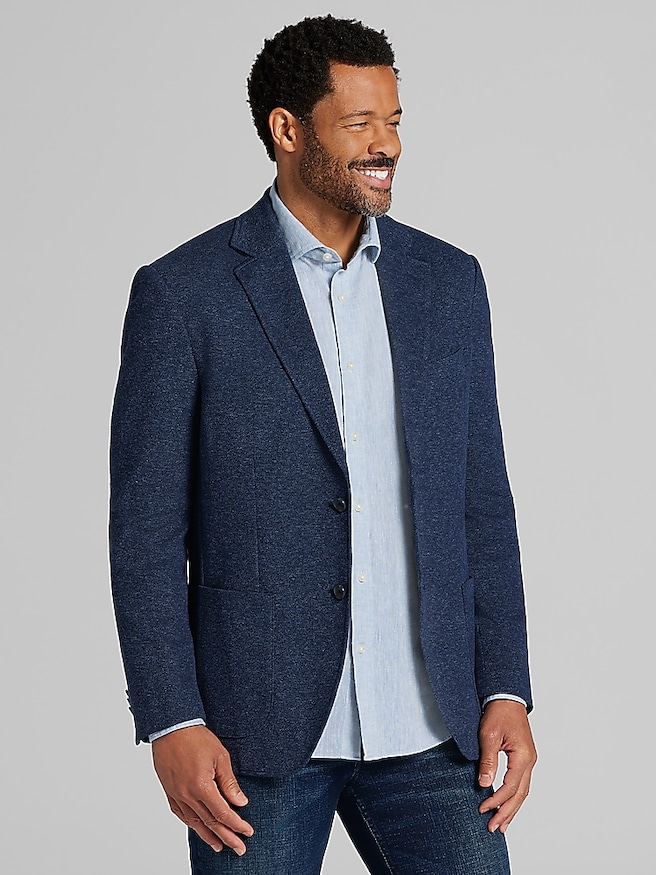
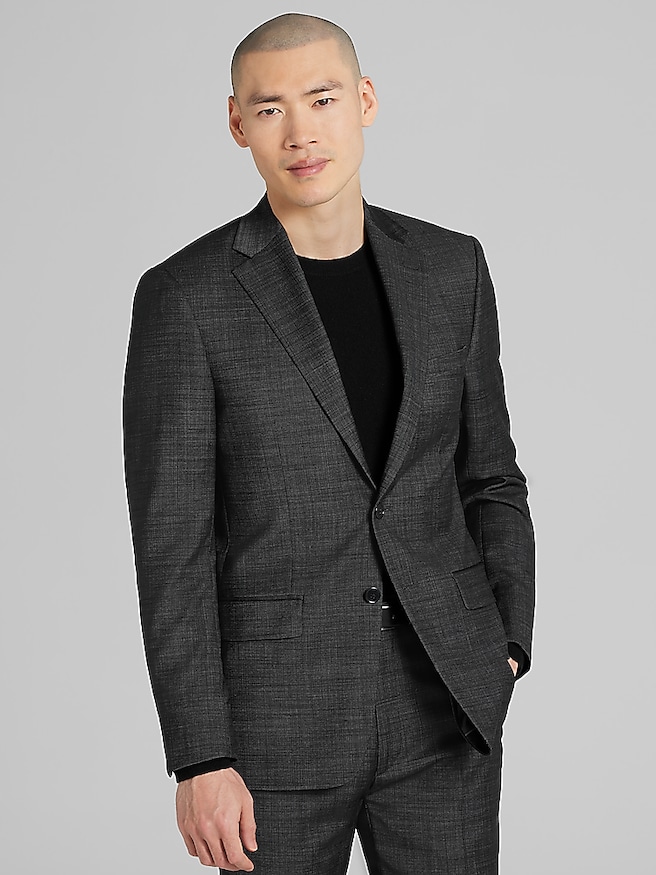
Premium smart casual blazers for graduation bring tailored structure to an occasion that often moves from a formal ceremony to photographs, a family meal, and a celebration with friends. Their appeal lies in that balance: a defined shoulder and clean lapel give the outfit a finished appearance, while separate trousers and a less formal shirt keep it from feeling like business attire. For graduates, a blazer can provide a polished layer after the academic gown comes off; for guests, it offers a respectful way to dress for the milestone without automatically requiring a matching suit. Premium quality is best understood through the fabric, construction, and finishing rather than decorative details alone. Wool offers natural resilience and a refined drape, while cotton can lend a more relaxed surface and a familiar, substantial feel. Linen introduces visible texture and a softer, more expressive character, with natural creasing that belongs to the fabric rather than signaling poor quality. Blends can combine these characteristics, and a small amount of stretch may make reaching, sitting, and greeting guests more comfortable. Fabric weight, weave, and lining all influence how a jacket feels during several hours of wear. A softly constructed blazer generally follows the body with less rigidity, while a more structured version creates a sharper outline through the shoulders and chest. Neither approach is inherently better; the distinction is whether the finished shape suits the wearer and the ceremony’s expectations. Subtle texture, restrained patterns, and neatly finished seams can make a blazer feel special without competing with graduation cords, a stole, or other meaningful details. Solid navy, charcoal, and muted blue are versatile foundations, while a fine check adds interest that remains understated in group photographs. The result is occasion-ready clothing with a life beyond a single ceremony, especially when the fabric and silhouette work naturally with the rest of an existing wardrobe. That versatility makes a well-chosen blazer particularly relevant to a milestone associated with new opportunities and a broader range of dress occasions.
Fit gives a graduation blazer much of its polish, particularly in photographs taken from the front, side, and seated positions. The shoulder seam should sit near the natural shoulder edge, with the sleeve falling cleanly rather than collapsing into deep folds. Across the chest, the lapels should lie flat, and the front should close without pulling into a pronounced X around the button. A comfortable fit leaves room for a shirt and ordinary movement without excess fabric obscuring the waist. The jacket’s length should look balanced with the wearer’s torso and trousers, while the sleeves generally allow a small amount of dress-shirt cuff to show. These details matter during ordinary parts of graduation day: sitting through speeches, standing for recognition, shaking hands, and leaning into a family photograph. Slim, tailored, and more generous silhouettes can all look refined when the proportions suit the person wearing them; a close cut is not automatically a better fit. Trouser shape also affects the overall impression. A clean taper can complement a trim blazer, while a straighter leg often sits more naturally beneath a jacket with additional room. Smart casual styling usually works best when each piece contributes a similar level of refinement. A cotton button-down shirt, fine-gauge knit polo, or understated knit top can soften the formality of a blazer, depending on the ceremony’s dress expectations. Dress trousers create a more elevated combination, while neatly pressed chinos introduce a relaxed note without making the outfit look unfinished. Dark denim belongs only where the stated dress code permits it. Loafers, derbies, and other polished leather shoes provide a grounded finish, with socks and a belt kept visually consistent rather than perfectly identical. A tie can add ceremony-ready formality, but it is not essential to every blazer outfit. When academic attire will be worn over the jacket, the complete combination should feel comfortable together, with enough room for the gown to hang as intended and no unnecessary bulk around the shoulders or collar.
A premium graduation blazer also makes sense as a thoughtful gift when the recipient’s measurements, preferred fit, and personal style are known. Its usefulness can extend to an interview, a professional introduction, a dinner reservation, or another family celebration, giving the garment a connection to both the achievement being recognized and the next stage ahead. Quiet design details often support that longevity: balanced lapels, a restrained button treatment, a lining that moves smoothly over a shirt, and pockets that sit neatly against the body. Durability depends on the relationship between fabric and construction, not simply on how heavy the jacket feels. Even stitching, securely attached buttons, and fabric that recovers reasonably well after sitting are practical qualities in a piece intended for repeated wear. Care should follow the garment’s label, since wool, cotton, linen, blends, and different internal constructions may require different treatment. Between wearings, a shaped hanger supports the shoulders, a gentle clothing brush can remove surface debris, and time outside a crowded closet allows the fabric to settle. Pockets are best kept lightly filled so that a phone, keys, or wallet do not distort the front during photographs or stretch the pocket openings over time. Stains deserve prompt attention using the recommended care method, while pressing should respect the fabric’s finish and the jacket’s construction. Professional alterations can refine sleeve length or the waist, although the shoulders should fit well from the beginning because substantial changes there are more complicated. For ceremonies with a dressier expectation, Premium Dressy Casual Suits For Graduation Ceremonies offer a coordinated alternative to a separate blazer and trousers. The distinction is primarily one of visual formality: matching pieces create a continuous silhouette, while a blazer combination allows more contrast and individual expression. A blazer earns its place when it feels comfortable through the ceremony, looks considered in the photographs, and remains easy to wear long after the diploma has been framed.