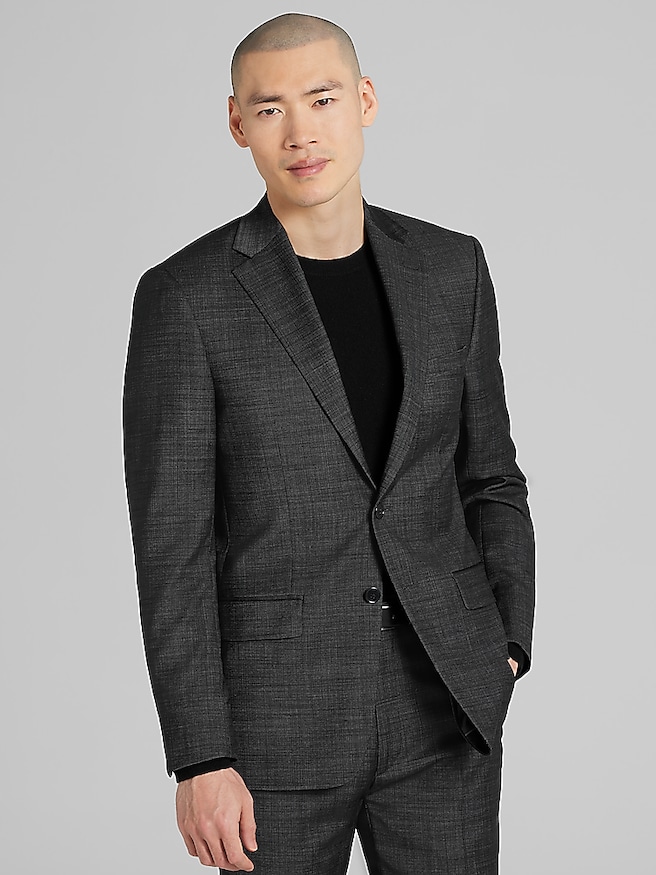
Premium dressy casual suits for graduation ceremonies combine the clean lines of a matching jacket and trousers with comfortable fabrics and relaxed styling. The result is polished enough for the stage, family photographs, and a celebratory dinner without the formality of a tuxedo. For graduates, that balance matters: the same outfit may need to sit neatly beneath an academic gown, feel comfortable through a lengthy ceremony, and look complete once the gown comes off. For guests, faculty members, and relatives, a thoughtfully tailored suit acknowledges the importance of the occasion without drawing attention away from the graduating class. The dressy casual character often comes from the details rather than a looser fit. A softly constructed jacket, a textured fabric, an open-collar shirt, or understated footwear can make a coordinated suit feel approachable while preserving its shape. Navy, charcoal, medium gray, and subtle earth tones provide a versatile foundation, with the right choice depending on the ceremony’s dress expectations and the wearer’s personal style. Gray is particularly adaptable because it pairs easily with white, pale blue, and soft patterned shirts while keeping the overall appearance composed. The range of tones associated with Modern Gray Suits For Graduation Ceremony also offers a useful balance between traditional formality and a more relaxed presentation. Subtle texture can add depth in close-up photographs without competing with graduation cords, a stole, or other academic distinctions. A restrained pattern can have the same effect, although solid fabrics make coordination especially straightforward. Whether the occasion is a high school commencement, a college graduation, or the completion of an advanced degree, a suit should support the celebration rather than become a distraction. Comfortable proportions, balanced color, and an uncluttered finish help keep the focus on the person wearing it and the milestone being recognized. That quiet versatility also makes graduation suiting appropriate for the gatherings that often surround the ceremony, from a campus reception to a meal shared with close friends.
Fabric and construction have a direct effect on how a dressy casual graduation suit looks and feels over several hours. Wool is a traditional suiting material because its natural crimp supports resilience, while its drape helps a jacket and trousers maintain a smooth outline. The weight and weave matter as much as the fiber name: a fine, supple cloth can feel quite distinct from a dense, firmly structured one. Wool blends may introduce other qualities, including added stretch or a softer hand, depending on their composition. Cotton offers a more relaxed appearance, while linen and linen blends bring visible texture and a tendency to crease that suits a less formal presentation. Those creases are part of the fabric’s character, not necessarily a sign of poor construction. Stretch fabrics can make sitting, walking across a stage, and moving between photographs more comfortable, but stretch should complement a sound fit rather than compensate for trousers or a jacket that are too tight. Lining, shoulder structure, and internal construction also influence how the suit moves. A softer shoulder can create an easy silhouette, while a more defined shoulder gives the outfit a sharper outline. Premium quality is most meaningful when these elements work together: fabric that hangs cleanly, seams that lie smoothly, and a jacket that feels balanced when worn. At the shoulders, the jacket should follow the wearer’s frame without extending noticeably beyond it or pulling across the upper back. Lapels should rest flat, and the collar should sit close to the shirt collar rather than stand away from the neck. Trousers need enough room through the seat and thighs for comfortable sitting, with a hem length that complements the cut and footwear. A slim fit can look streamlined without clinging, while a roomier fit can still appear precise when the proportions are right. For graduates wearing a gown, a smooth fit through the jacket sleeves and shoulders helps reduce bunching beneath the academic layer.
Styling gives a graduation suit its dressy casual identity while leaving room for individual expression. A crisp white or light blue shirt creates a clear, classic contrast against darker tailoring, and a fine knit or subtly textured shirt can soften the effect when the ceremony’s dress expectations allow it. An open collar feels relaxed, but it should still sit neatly inside the jacket; a collar that collapses or spreads unevenly can make an otherwise considered outfit look unfinished. A tie adds definition for a more traditional ceremony and can be removed for the gathering afterward. Simple loafers, derbies, or other polished dress shoes generally keep the outfit grounded in the occasion, with comfort especially important when the day includes long corridors, stairs, or extended periods standing for photographs. A restrained pocket square, a clean belt when needed, and coordinated socks can finish the look without competing with academic honors or graduation accessories. The suit’s usefulness can extend well beyond commencement to interviews, professional presentations, weddings with an appropriate dress code, and other occasions that call for something more considered than everyday casual clothing. That broader role makes a graduation suit a thoughtful gift for a son, grandson, brother, partner, or close friend entering a new chapter. Fit and personal preference are especially important for a gift, since confidence often comes from feeling comfortable rather than simply looking formal. Good care helps preserve that comfort and appearance. The garment’s care label should determine cleaning methods, and professional cleaning is best used when needed rather than automatically after every wear. A broad, supportive jacket hanger, properly hung trousers, and space for the fabric to air out help maintain the suit between occasions. Gentle brushing can remove surface dust, while pressing or steaming should follow the fabric’s requirements. With careful handling and a fit that allows natural movement, a graduation suit can remain a dependable part of a wardrobe long after the final photograph.