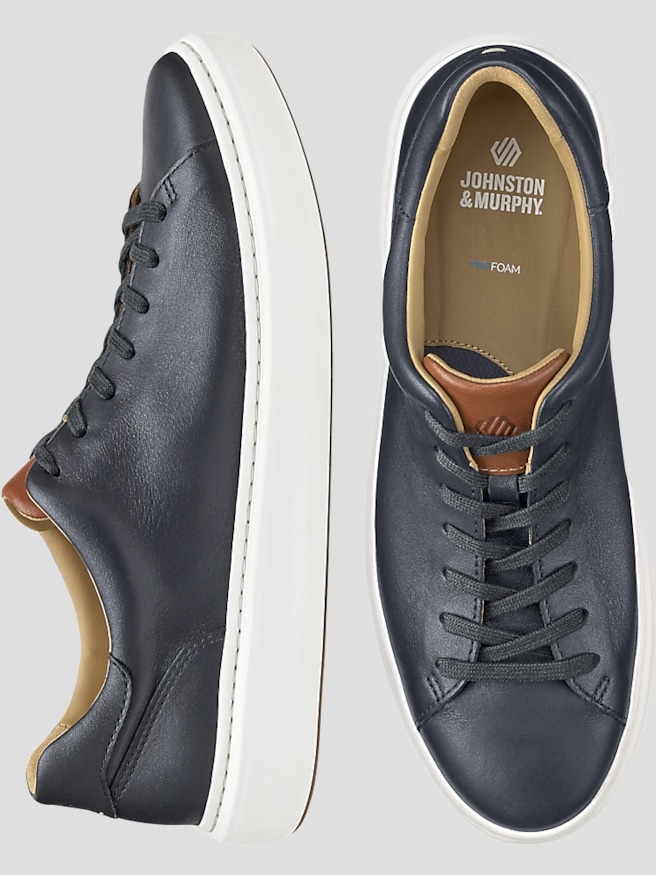
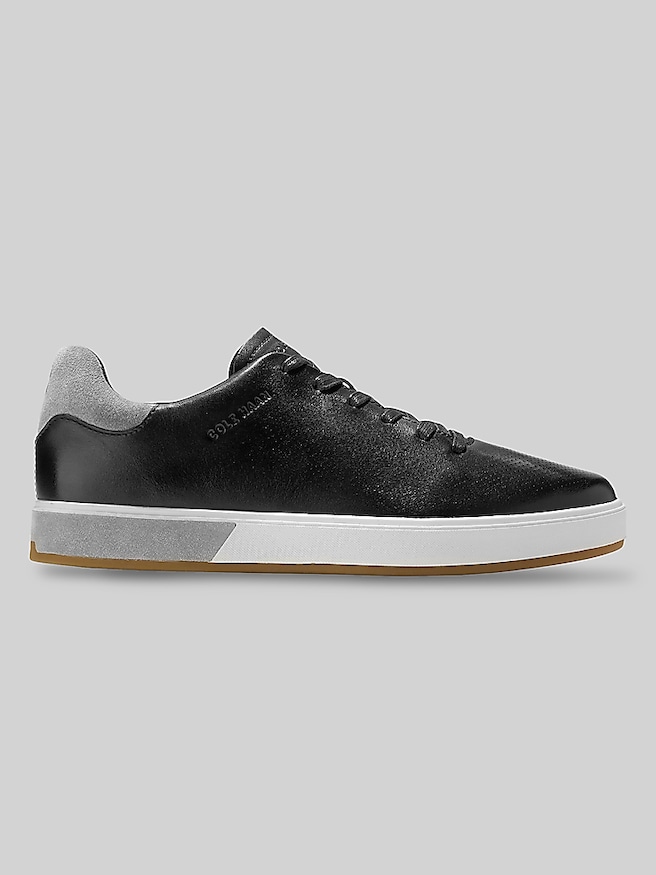
Premium leather sneakers bring the relaxed shape of everyday footwear together with the texture, structure, and finish more often associated with dress shoes. Their appeal lies in that balance: a clean leather upper can look polished beneath tailored trousers, while a flexible sole keeps the overall impression casual. Leather quality, construction, and fit matter more than decorative details alone. Full-grain leather retains its natural surface and can develop character with regular wear, while other smooth leather finishes offer a more uniform appearance. Calfskin is often valued for its fine grain and supple feel, though the thickness, tanning, and finish of any leather influence how it performs. Suede introduces a softer, matte texture that works especially well with denim and textured trousers, but it needs care suited to its nap. Inside the shoe, a smooth lining, neatly finished seams, and cushioning placed where the foot bears weight can make a meaningful difference during an ordinary day. Leather linings may help manage moisture, while textile linings can offer a lighter feel; neither replaces the importance of letting shoes dry between wears. A rubber outsole provides a practical foundation, with flexibility, tread, and sole thickness affecting the way the sneaker feels underfoot. Cupsole construction, in which the sole wraps slightly up around the upper, gives many leather sneakers their familiar court-inspired profile. Even stitching, securely attached soles, and clean edges are useful signs of careful finishing, although visible stitching alone does not establish whether a shoe can be resoled. Premium is not a universal construction standard, so the most meaningful details are the ones connected to comfort, lasting shape, and intended use. For someone moving between a relaxed office, a lunch meeting, and an evening out, an understated leather sneaker can fill the space between athletic footwear and a traditional lace-up dress shoe without looking out of place.
Fit gives premium leather sneakers their everyday usefulness, particularly when the schedule includes a commute, several hours at a desk, and a walk to dinner. A comfortable fit leaves space for the toes to move without allowing the foot to slide forward, holds the heel securely, and avoids pressure across the widest part of the foot. The upper should feel supportive rather than restrictive. Leather often softens and conforms somewhat with wear, but a shoe that pinches at the toes or feels too short is unlikely to become the right size through break-in. Trying sneakers with the socks intended for everyday wear provides a more realistic sense of volume, especially during the cooler months when a slightly thicker sock may be part of the outfit. Foot shape matters as much as the number on the box: a tapered toe can feel sleek but snug, while a rounder shape may allow more room through the forefoot. Laces offer useful adjustment across the instep, and a padded collar can soften contact around the ankle, provided it does not rub. Underfoot comfort depends on a combination of cushioning, stability, flexibility, and personal preference rather than softness alone. Someone who spends long stretches standing may appreciate a stable base and a contoured footbed, while someone packing for a weekend away may favor a lighter shoe that bends comfortably through each step. Removable insoles can be helpful for people who use orthotics, though the shoe also needs enough interior space to accommodate them. For a supple feel that complements easygoing outfits, soft leather sneakers offer a closely related option. Leather sneakers are generally intended for casual walking and everyday wear, not as substitutes for footwear designed for running, court sports, or demanding outdoor terrain. Matching the shoe to the actual day ahead makes its refined appearance more useful, whether that means navigating airport terminals or spending an afternoon visiting friends.
Styling premium leather sneakers is largely a matter of proportion, color, and keeping the finish in good condition. A low-profile silhouette sits neatly beneath straight or gently tapered pants, with a hem that rests near the top of the shoe rather than gathering heavily over it. White and off-white leather create a crisp contrast with dark denim, navy chinos, and charcoal trousers. Black offers a quieter foundation for tonal outfits, while brown and tan bring warmth to olive, cream, and blue. Minimal detailing and a restrained sole profile tend to pair easily with an unstructured jacket or knit polo; more substantial soles give casual denim and overshirts a stronger visual anchor. In a workplace that permits sneakers, clean leather footwear can complement pressed chinos and a fine-gauge sweater without making the outfit feel overly formal. For dinner or a casual celebration, tailored separates keep the look considered, though occasions with a formal dress code still call for appropriate dress footwear. During the cooler months, textured socks and wool-blend trousers add depth without requiring a bulky shoe. Regular care helps preserve that versatility. Dust and surface grit can be removed with a soft cloth or brush before they work into creases, and smooth leather benefits from a compatible cleaner and occasional conditioning according to the manufacturer's directions. Any treatment should be tested in an inconspicuous spot first, since some formulas can darken the finish. Suede needs its own brush and suitable care products rather than smooth-leather conditioner. Wet sneakers should dry naturally away from radiators and direct heat; removing damp insoles when possible and loosely filling the shoes with plain absorbent paper can help. Leather is not automatically waterproof, and a smooth outsole may offer limited grip on wet or icy surfaces. Rotating pairs, allowing the interiors to dry fully, and using properly fitted shoe trees can help maintain shape over time. These qualities also make leather sneakers a thoughtful gift for someone who enjoys versatile clothing, provided their size, preferred fit, and usual wardrobe are known. The strongest choice is one that feels comfortable, suits familiar outfits, and earns repeated wear through ordinary days.