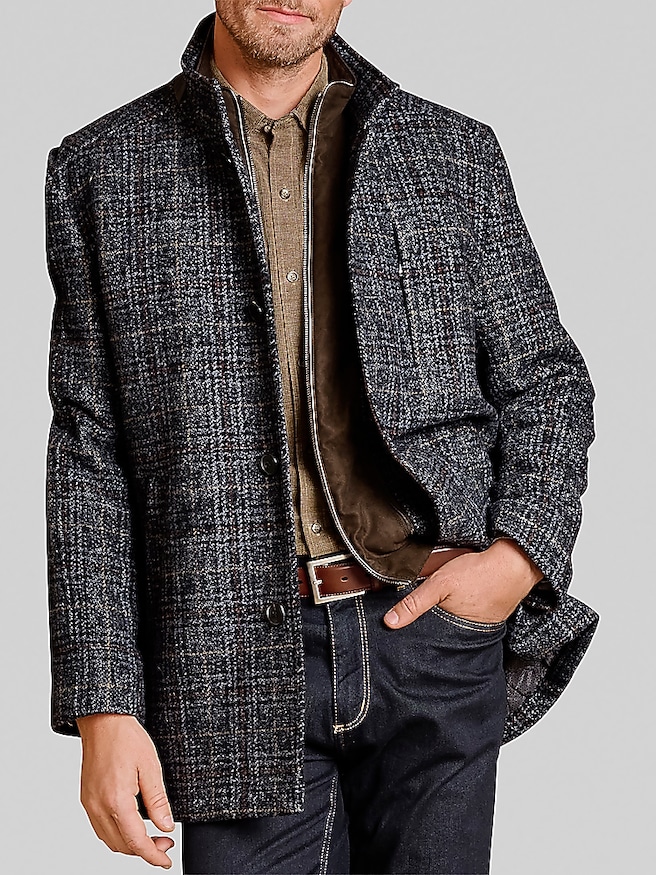
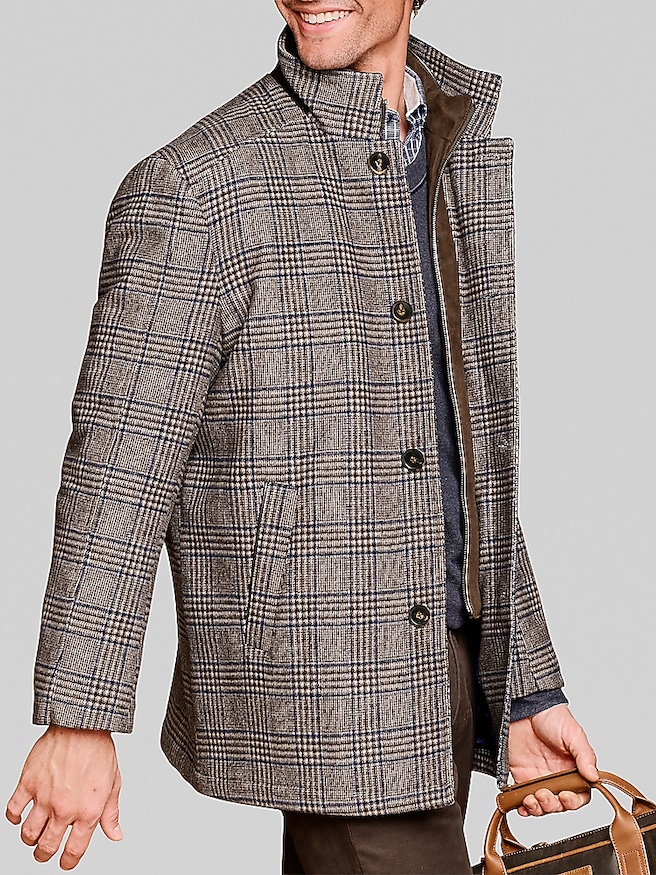
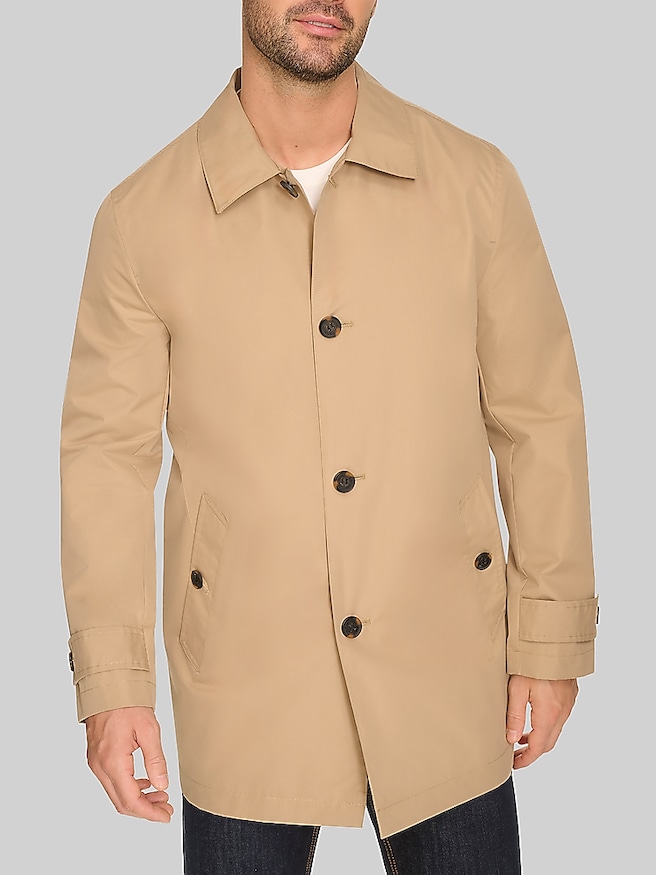
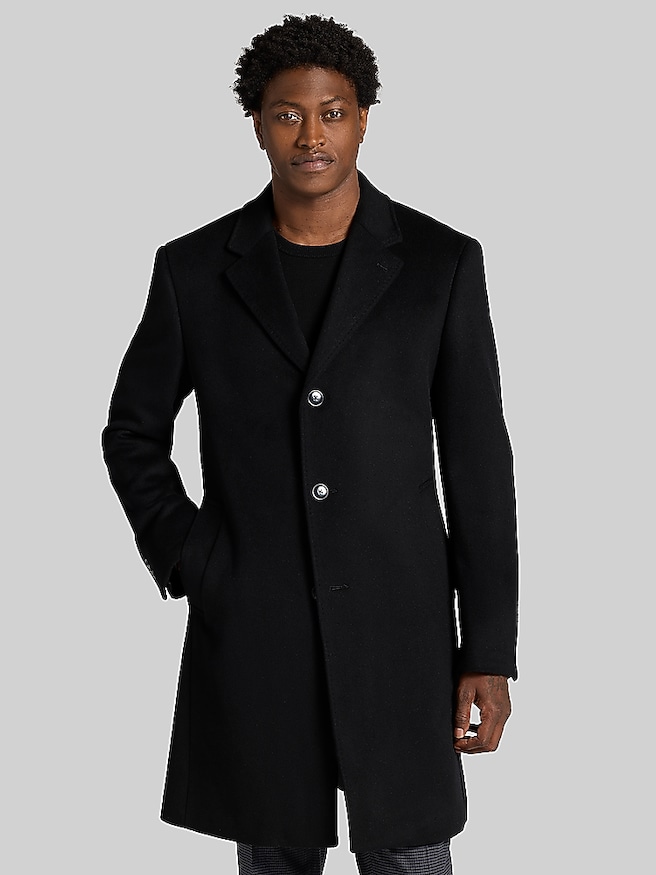
Polyester winter coats offer a practical balance of warmth, weather resistance and everyday versatility for the cooler months. A polyester shell can help block wind, resist light rain and snow, and dry relatively quickly after a damp commute, making this fabric a dependable choice for men who move between sidewalks, cars, offices and outdoor events. Many winter coats use polyester in the outer shell, lining or insulation, and the warmth you can expect depends on the full construction rather than the fabric label alone. Look for features such as quilted or baffled insulation, a high collar, a lined hood, rib-knit cuffs and a secure front closure when protection from cold air matters most. Synthetic fill can trap body heat while remaining relatively lightweight, which is useful for travel, driving or layering over a sweater without creating a bulky silhouette. A longer coat can provide additional coverage through the hips and upper legs, while a shorter jacket may feel easier to wear during active commutes or behind the wheel. Polyester also tends to be less demanding than some natural fibers, making it a convenient choice for regular wear. Still, not every polyester coat is designed for the same conditions. A lightly insulated style may be comfortable during crisp mornings and cool afternoons, while a heavily insulated parka-style coat is better suited to extended time outdoors. Checking the insulation, lining, length and weather-resistant details can help match a coat to the temperatures and routines it will face.
Fit is especially important when choosing a winter coat because the right outer layer should leave room for comfortable movement and seasonal layers without appearing oversized. Try to picture the coat over the clothing you wear most often, whether that means a button-down shirt for the office, a knit sweater for weekend plans or a suit for a formal commute. The shoulder seams should sit naturally, the sleeves should reach the wrist when your arms are relaxed, and the front should close smoothly without pulling across the chest. A drawstring or adjustable hem can help retain warmth, while a storm flap, covered zipper or snap closure may add useful protection when wind picks up. Pockets are another small detail that makes a noticeable difference: zippered or snap-secure pockets can keep keys, a phone and a wallet in place, while fleece-lined pockets provide a warmer landing spot for cold hands. Color and shape also influence how often a coat gets worn. Black, navy, charcoal and other understated shades can coordinate easily with denim, chinos, dress trousers and tailoring, while a clean wool-style finish can transition from weekday meetings to dinners and gatherings. For a softer, naturally textured alternative, explore Quality Wool Coats. Polyester winter coats can also make thoughtful gifts for a partner, parent, son, friend or colleague, particularly when the recipient spends time commuting, traveling, attending outdoor sporting events or walking in changeable weather. A versatile color, a practical length and a relaxed-but-neat fit are generally safer choices for gifting than highly distinctive details, especially when the coat needs to work across workdays and weekends.
Care and intended use should remain part of the buying decision. Polyester is generally durable and easy to maintain, but the coat’s insulation, trims and water-resistant finish may have specific cleaning requirements. Check the care label before washing, use the recommended cycle and avoid assuming that every insulated style belongs in a standard hot wash or dryer. Proper storage also helps preserve the shape of the fill and prevent unnecessary creasing; allow a damp coat to dry fully before placing it in a closet, and avoid compressing it for long periods when the insulation needs to stay lofted. A polyester coat described as water-resistant can usually handle light precipitation, but that does not necessarily mean it is fully waterproof in prolonged rain or heavy, wet snow. If frequent exposure to severe weather is part of the wearer’s routine, prioritize a protective outer finish, sealed or covered closures and a hood that adjusts securely. Breathability matters as well: someone walking quickly, using public transportation or moving between indoor and outdoor spaces may prefer a lighter layer with ventilation, while someone standing outside for long stretches may value maximum insulation and coverage. Synthetic materials are often vegan-friendly and can offer an accessible alternative to natural fibers, though shoppers who are focused on lower-impact wardrobes may also want to consider durability, how often the coat will be worn and the care instructions that help extend its life. The best polyester winter coat is one that fits comfortably, suits the wearer’s daily habits and provides the right combination of warmth, weather protection and polished style for the cooler season.