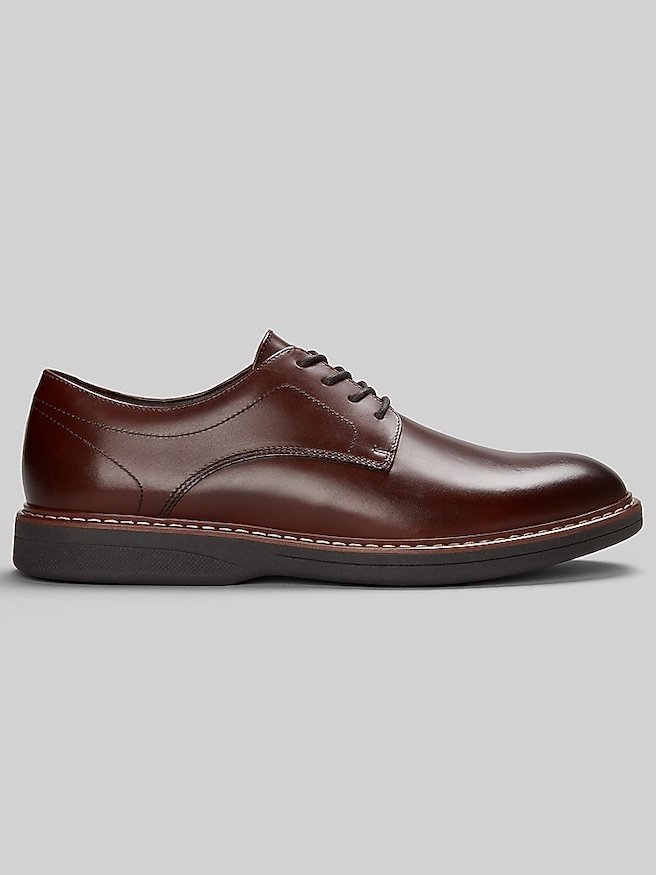
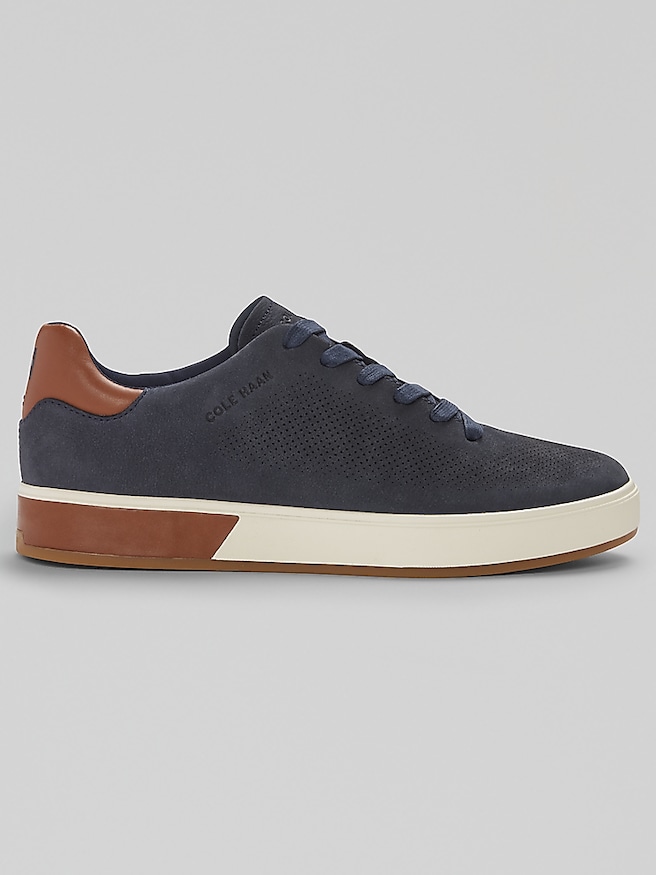
Polyester sneakers are casual or athletic shoes that use polyester fibers in the upper, lining, or other textile components. The material can create a lightweight, flexible fabric that suits everyday footwear, while the shoe’s overall comfort depends on its construction, cushioning, and fit. A polyester upper may have an open mesh structure, a closely woven surface, or a knit texture that gives the shoe a softer, more relaxed appearance. Open mesh can allow air to circulate, while denser fabrics provide more coverage and a smoother finish. Polyester absorbs relatively little moisture compared with many natural fibers, so the fabric often dries quickly after cleaning, although padding, liners, and other components can extend drying time. Breathability and moisture management vary by fabric structure and finishing treatment; the fiber alone does not guarantee either quality. For everyday dressing, these sneakers offer a useful middle ground between visibly technical athletic footwear and more structured casual shoes. A streamlined shape can look at home with chinos and a polo, while a textured knit upper brings depth to a simple combination of jeans and a crewneck shirt. Low-profile soles keep the silhouette understated, and more substantial soles create a sportier look. The textile upper is only one part of the experience: midsole foam contributes cushioning, the outsole affects grip and wear, and the heel construction helps hold the foot in place. Polyester sneakers intended for casual use can suit errands, a relaxed office, or an afternoon spent exploring a museum. Running, court sports, and strength training place distinct demands on footwear, however, so an athletic appearance should not be mistaken for activity-specific support. For those uses, the shoe’s stated purpose, stability, traction, and cushioning matter more than its polyester content. This distinction makes the category relevant to a broad everyday wardrobe without suggesting that every pair performs the same way.
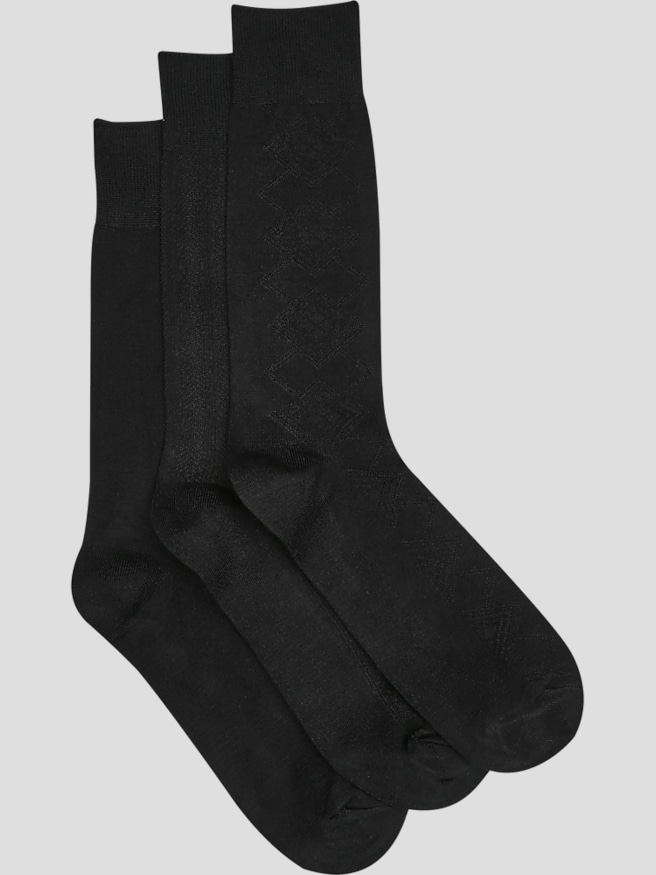
Fit gives lightweight polyester sneakers their practical value, especially when the day includes both sitting and walking. A comfortable pair leaves room for the toes to move without allowing the foot to slide forward at every step. The heel should feel secure rather than pinched, and the widest part of the foot should sit comfortably within the shoe instead of pressing against the edges of the sole. Soft fabric can disguise a narrow fit at first, but noticeable pressure across the forefoot is not something to overlook simply because the upper feels flexible. Polyester generally maintains its shape well, and knit structures may have some give, yet a snug shoe should not be expected to stretch into the correct size. Adjustable laces can help refine the fit across the instep, while the shape of the collar and tongue affects how the shoe feels around the ankle and top of the foot. Trying sneakers with the sock thickness intended for daily wear gives a more useful sense of fit than judging them with an unfamiliar sock. For polished casual outfits, Polyester Dress Socks can provide a neat visual connection between a clean-lined sneaker and tailored trousers; sock construction, thickness, and fit still determine how the combination feels inside the shoe. Straight-leg jeans work well with a slightly fuller sneaker, while tapered chinos tend to complement a slimmer profile. A trouser hem that rests neatly above the shoe helps show its shape without excess fabric bunching over the laces. Neutral shades are easy to repeat across a wardrobe, and contrasting soles or textured uppers add interest without requiring an elaborate outfit. In a workplace that welcomes casual footwear, restrained detailing can keep sneakers from overpowering an otherwise tailored look. They can also make a thoughtful gift for a partner, father, friend, or graduate who prefers practical clothing, particularly when the recipient’s usual size, preferred width, and everyday style are known. Matching those preferences matters more than choosing a pair solely for its appearance.
Durability in polyester sneakers comes from the relationship between the fabric, seams, reinforcements, and sole rather than from a single material claim. Polyester fibers generally resist abrasion and hold their shape well, but an airy mesh upper can still snag against a rough edge, and repeated friction at the heel lining can wear through fabric over time. Reinforced areas around the toe and lace openings may help protect common stress points, while secure stitching and a well-attached outsole contribute to the shoe’s overall resilience. Care is usually straightforward, though the manufacturer’s directions should take priority because adhesives, trim, foam, and finishes may respond differently to cleaning. Loose dirt can often be lifted with a soft brush before a cloth dampened with water and mild soap is used on the fabric. Gentle spot cleaning avoids soaking parts of the shoe that take longer to dry. Aggressive scrubbing can roughen the surface or catch mesh fibers, and bleach or strong cleaning agents may damage color and finishes. Machine washing is appropriate only when the care instructions explicitly allow it. After cleaning, sneakers should air-dry away from direct heat; a dryer or heater can distort components or weaken bonds even when the polyester itself seems sturdy. Removing insoles, if they are designed to come out, can help the interior dry more thoroughly. Letting shoes dry fully between wears and keeping socks clean also helps manage moisture and odor, which synthetic fabric does not prevent on its own. Untying laces before taking shoes off reduces unnecessary strain on the heel collar, and storing them without heavy objects pressing on the uppers helps preserve their shape. With continued use, flattened cushioning, uneven outsole wear, or a heel that no longer holds securely can affect comfort even if the fabric still looks presentable. Well-chosen polyester sneakers balance an easy-to-style exterior with the fit and construction needed for their intended use, making them a practical foundation for repeat wear rather than simply a lightweight finishing touch.