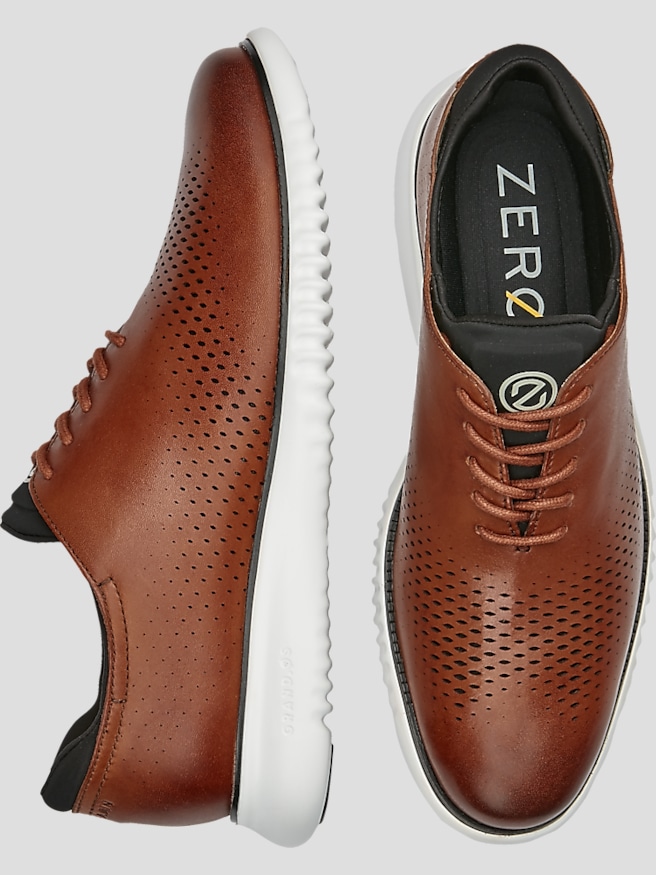
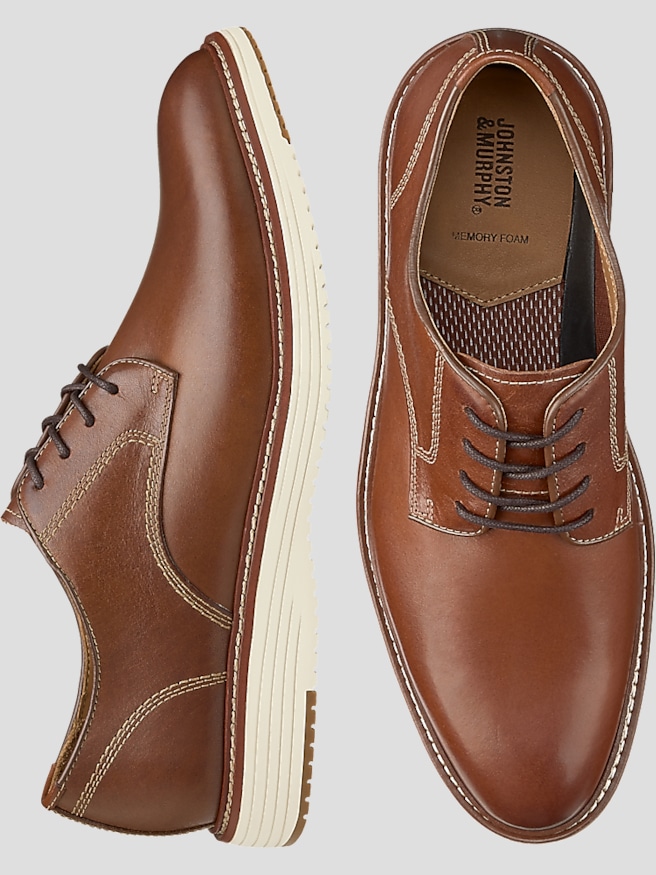
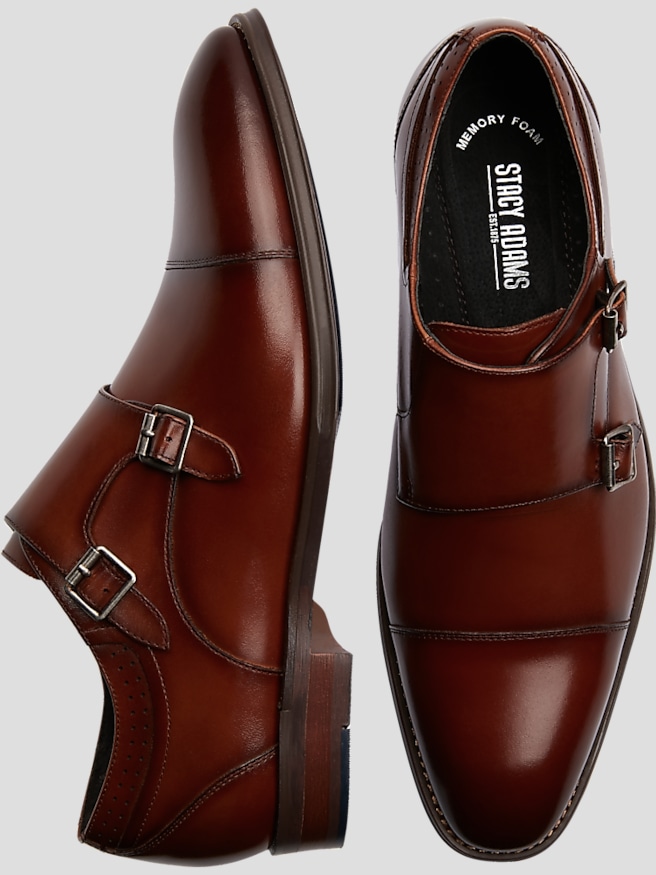
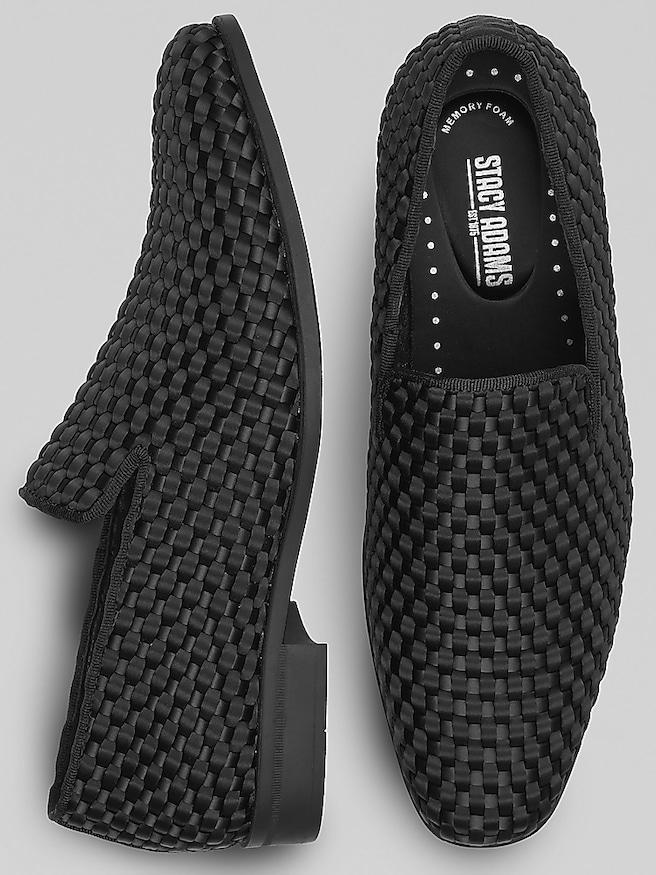
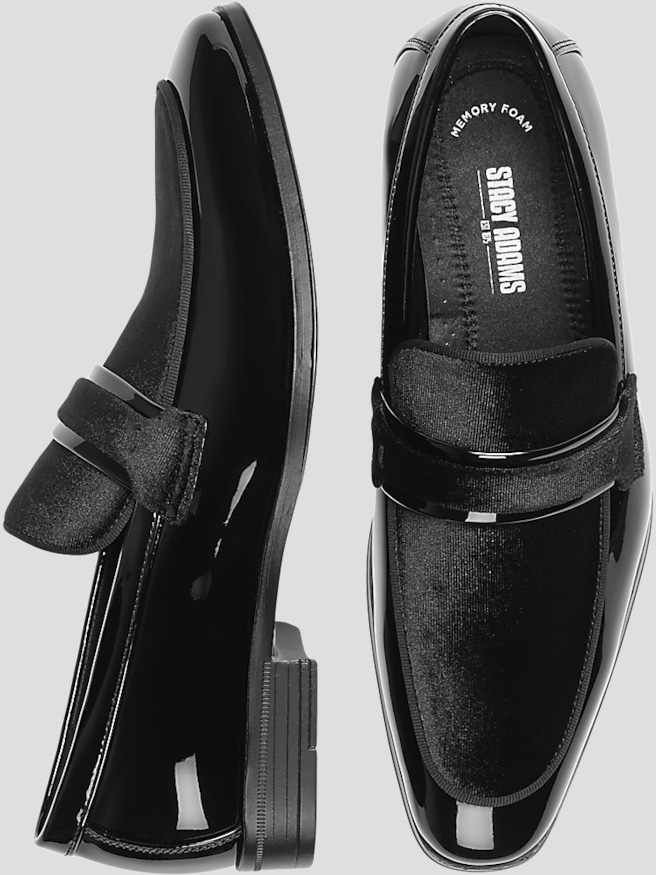
Polished dress shoes bring a finished, intentional look to formalwear, business attire, and the occasions that call for extra attention to detail. Their clean lines and reflective finish can sharpen everything from a tailored suit to a dinner jacket, while classic silhouettes remain versatile enough for office days, ceremonies, receptions, and evening gatherings. Traditional leather oxfords offer a structured profile and a close, refined appearance, making them a dependable choice for professional settings and formal events. Derby shoes provide a little more visual ease through their open-lacing design, which can be helpful with broader feet or with outfits that balance tailored clothing and relaxed separates. Loafers create a streamlined look without laces, and their easy slip-on construction suits hosts, travelers, and anyone moving between a ceremony, a reception, and a late dinner. Cap-toe detailing adds a subtle decorative line across the front, while plain-toe styles have a smooth, understated appearance. For especially formal evening attire, patent leather creates a glasslike shine that pairs naturally with tuxedo-inspired dressing. A high-gloss finish can also bring depth to a simple dark suit, reflecting warm lights in a banquet room or the soft glow of an evening venue. Rich black remains the most formal and adaptable color, while shades such as dark brown, burgundy, and cognac can add character to navy, gray, tan, and earth-toned tailoring. When choosing a pair, consider the setting, the clothing already in the closet, and how often the shoes will be worn. A versatile pair for work and events should feel polished without looking overly delicate, while a highly reflective evening style is best reserved for occasions where formal presentation matters most. These shoes can make a thoughtful gift for a graduate beginning a first professional role, a partner preparing for a ceremony, or a parent marking an important milestone. The most useful gift choices usually favor familiar colors, supportive construction, and a silhouette that can move comfortably from a conference room to a formal dinner.
Comfort and fit matter just as much as appearance. A polished surface cannot make up for pinching across the toes, heel movement, or pressure along the instep, especially when an event involves standing through photographs, greeting guests, or walking across a venue. Measure both feet because their length and width may differ slightly, and try shoes with the socks typically worn for dress occasions. Look for enough room for the toes to rest naturally without sliding forward, a heel that stays secure without rubbing, and support beneath the arch that feels stable rather than rigid. Width options are worth considering when standard sizing leaves pressure at the ball of the foot or excess space around the heel. Leather uppers often soften and conform with wear, but they should feel comfortable from the beginning rather than require a painful break-in period. Cushioning can make a meaningful difference for daily office use, commuting, and long celebrations, while a structured insole and firm heel counter help the foot feel supported over many hours. The sole also influences how the shoes perform: leather soles offer a classic, refined profile, whereas rubber or hybrid soles can provide added traction on smooth floors and damp sidewalks during the cooler months. Pay attention to the balance between shine and practicality. A mirrorlike finish communicates formal elegance, but a softly burnished surface may work across more settings and show less visible wear. Match the shoe color to the formality and palette of the outfit, then coordinate the belt and other leather accessories for a composed appearance. Before an important event, wear the shoes briefly indoors on a clean surface, allowing the upper to flex and revealing any fit concerns while there is still time to adjust. A thin dress sock, properly sized, can help reduce friction and maintain a neat line beneath trousers. For ceremony planning and formal wardrobe coordination, explore Polished Leather Shoes For Wedding Season for additional context around refined footwear choices.
Regular care keeps polished dress shoes looking composed through repeated wear. Begin by removing surface dust after each outing with a soft horsehair brush or a clean, dry cloth, paying attention to the welt, seams, and the area around the sole. Small particles left on the leather can act like grit beneath polish, creating fine scratches over time. If the shoes encounter rain, slush, or damp pavement, let them dry naturally at room temperature and keep them away from direct heat, radiators, and hair dryers, which can pull moisture from the leather and encourage cracking. Cedar shoe trees help preserve the shape, reduce creasing, and absorb moisture after a long day. Once the surface is clean and dry, apply a small amount of conditioner periodically to help keep the leather supple; too much can leave the finish dull or soft, so a light application is usually enough. Follow with a cream or wax polish that closely matches the shoe color, testing it first on a hidden area when working with an unfamiliar finish. Cream polish helps refresh color and nourish the surface, while wax can build a sharper shine along the toe and heel. Apply thin layers with a soft cloth, allow each layer to set, and buff with gentle, even strokes. A separate brush or cloth for light and dark colors helps prevent unwanted transfer. Highly glossy and patent finishes need different treatment and should be cleaned with products intended for that material rather than standard wax. Rotate pairs when possible so each one can rest and air out between wears, especially during busy workweeks or multi-day events. Store them in a cool, dry place with enough room to avoid scuffing against other footwear. With thoughtful fitting, sensible color selection, and simple maintenance, polished dress shoes can provide a reliable foundation for professional outfits, formal celebrations, travel wardrobes, and meaningful gifts throughout the cooler months.