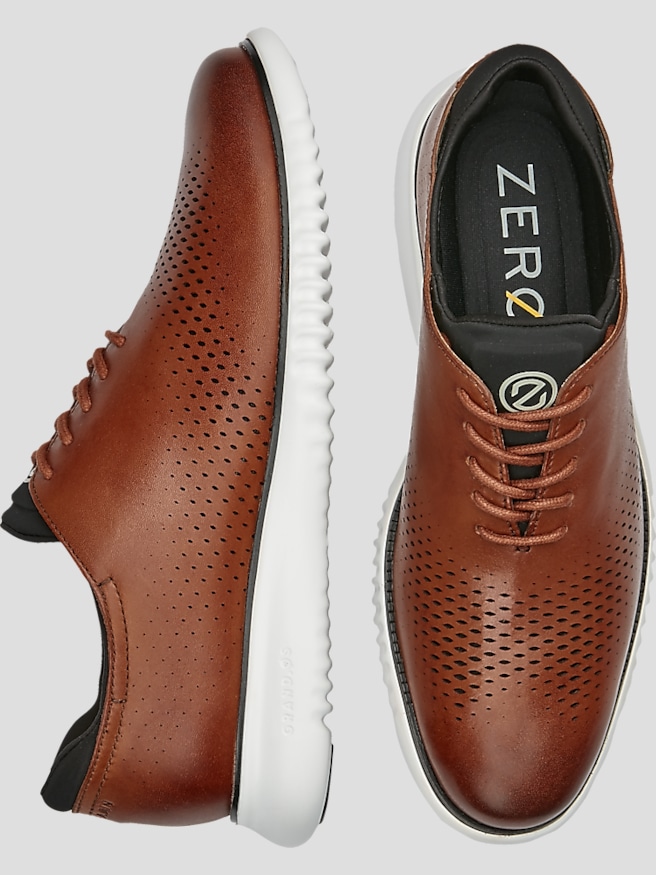
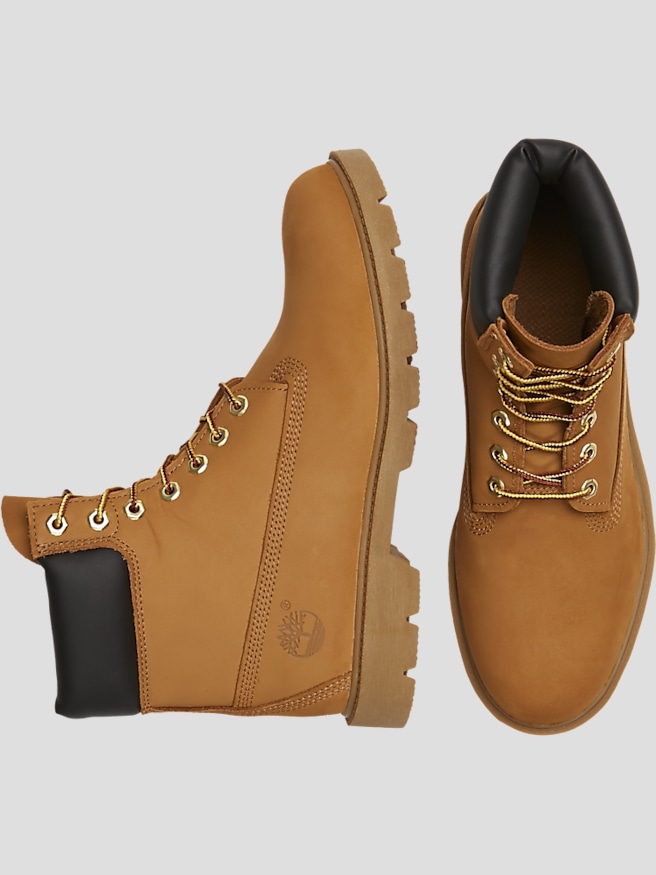
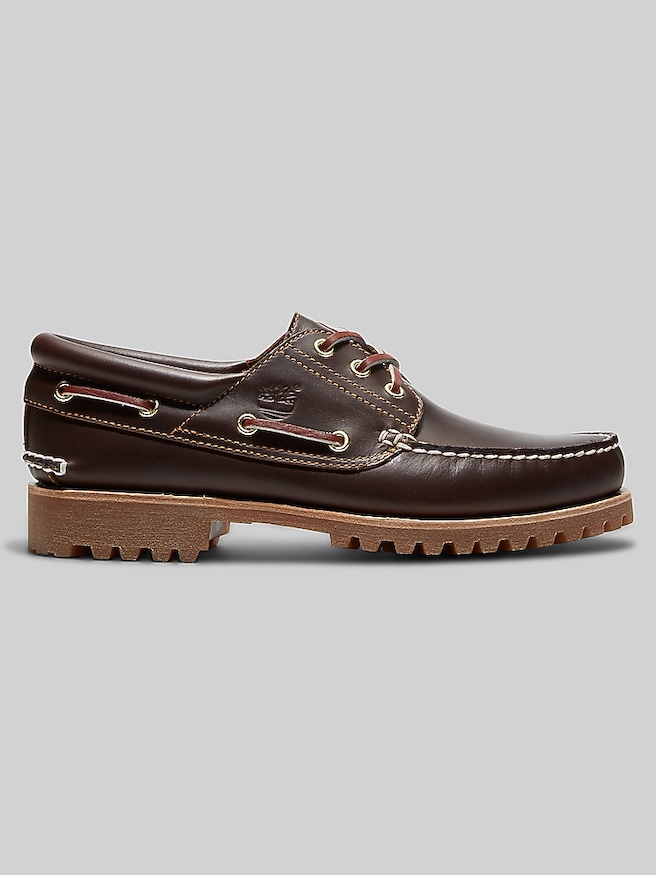
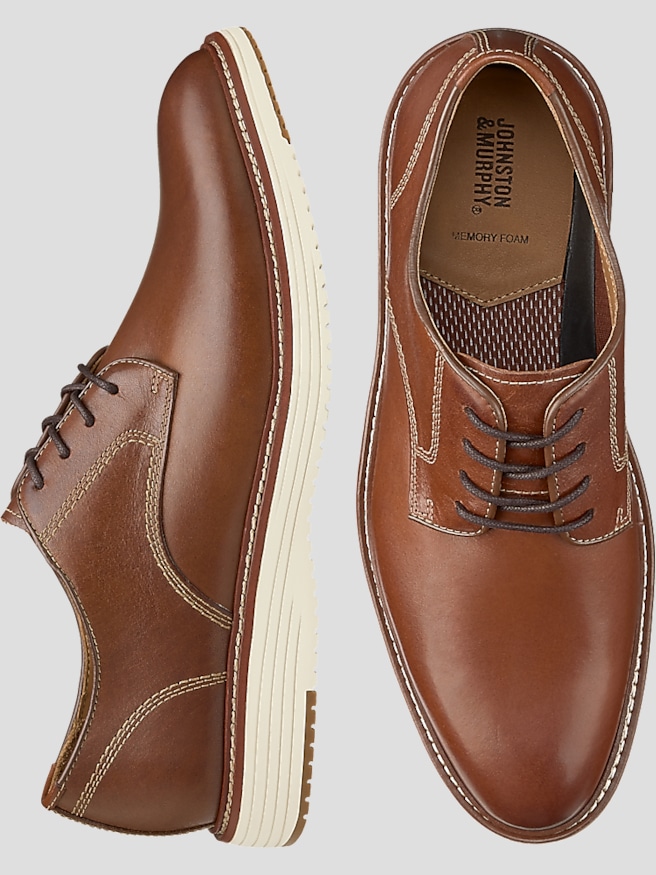
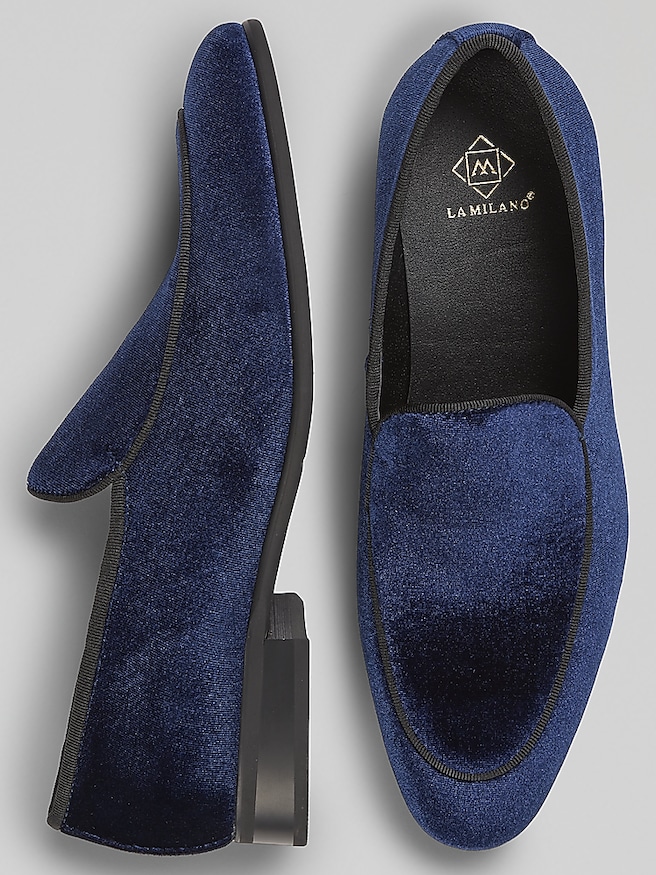
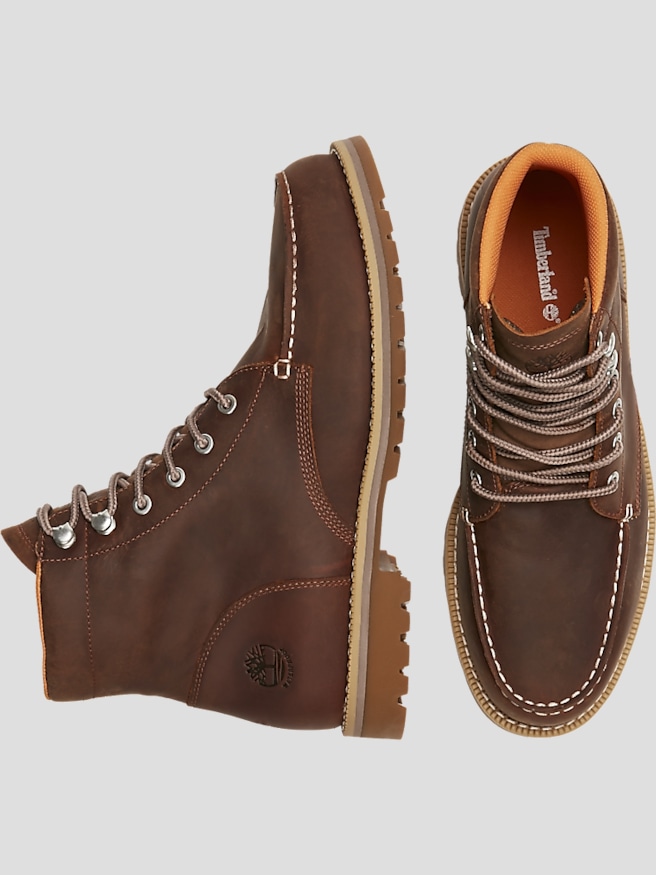
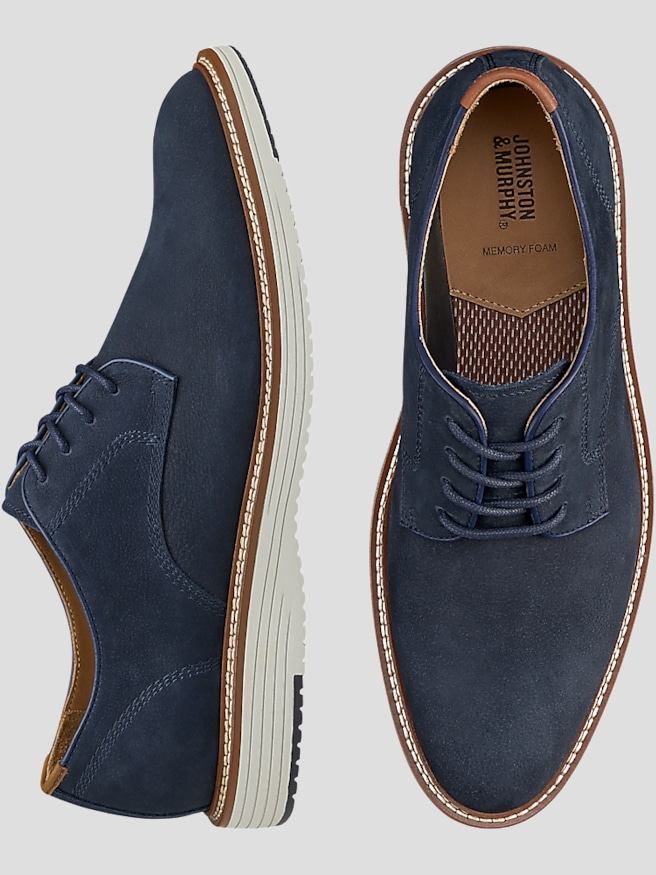
Plush shoes are footwear designed to feel especially soft, whether that softness comes from a fuzzy lining, a supple upper, generous underfoot cushioning, or a combination of these features. The term can describe house slippers with a deep pile, relaxed slip-ons with padded interiors, and walking shoes built around thick foam midsoles. Those styles have distinct purposes, but they share an emphasis on comfort where the foot meets the shoe. A plush lining creates a soft surface around the toes and heel, while a cushioned footbed helps soften contact beneath the foot. Neither feature automatically provides the structure needed for extended walking, so the shoe’s shape and construction matter as much as its initial feel. For quiet mornings at home, a soft indoor slipper can be an easy companion to lounge pants and a favorite robe. For a commute, a casual office, or an afternoon spent visiting museums, a cushioned shoe with a secure heel and an outsole intended for outdoor surfaces is the more practical choice. Plushness also has a visual side: brushed textures, padded collars, and rounded shapes can give footwear an inviting, relaxed character without requiring an oversized silhouette. Low-profile designs in understated colors work naturally with chinos, knit polos, and casual trousers, while more substantial cushioned styles balance denim and other laid-back clothing. The distinction between a soft-looking shoe and a soft-feeling shoe is worth keeping in mind. Suede may feel velvety to the touch yet have little padding underneath, while a smooth leather or textile shoe may conceal a deeply cushioned interior. Shoppers drawn to that velvety surface can also explore Soft Suede Shoes, where the material’s texture is the defining characteristic. With plush footwear, the most useful distinction is between softness meant for lounging and cushioning paired with enough support, traction, and security for time on the move.
Materials determine much of how plush shoes feel after the first few minutes of wear. Faux fur and fleece can create a soft, enveloping interior, although dense linings may feel more enclosed than an unlined textile upper. Terry and other looped fabrics offer a familiar, towel-like texture often associated with indoor footwear. Suede and soft leather provide a more tailored exterior, with flexibility that depends on the thickness of the material, the lining, and the way the shoe is assembled. Knit and mesh uppers can allow greater airflow, but their ability to hold the foot securely varies with the construction. Beneath the foot, memory foam tends to compress around the wearer’s shape, while other cushioning foams may feel springier or more resilient. The thickness of a sole alone does not establish its comfort: a tall, very soft midsole can feel less stable than a moderately cushioned design with a broad base. For someone standing through a gathering or walking between appointments, a stable platform and secure fit can be more useful than the deepest possible padding. Fit deserves particular attention in lined footwear because plush material takes up space inside the shoe. Toes should have room to rest naturally rather than press against the front or curl beneath a thick lining. The heel should remain reasonably secure during a normal stride, and the upper should not squeeze across the widest part of the foot. Trying shoes with the type of socks intended for everyday wear gives a more realistic impression of their fit. Soft linings may settle with use, but an uncomfortable shoe should not depend on that change to become wearable. An open-back slipper offers easy entry for short trips around the house; a closed heel or adjustable fastening generally provides more security for sustained movement. For cushioned walking styles, enough forefoot flexibility for a comfortable stride, combined with a heel that stays in place, helps keep softness from turning into a loose, disconnected feeling.
Durability in plush shoes depends on how well the soft components work with the rest of the construction. A dense lining should be secured neatly at its edges, and seams should sit where they are unlikely to rub. High-contact areas, including the heel lining and the material beneath the ball of the foot, naturally receive the most friction. Over time, fuzzy pile can flatten and cushioning can lose some resilience, even when the exterior still looks tidy. An outsole suited to the intended setting helps protect both comfort and longevity. Soft fabric soles belong on appropriate indoor surfaces, while footwear intended for outdoor walking needs an outsole designed for that use. Rubber or similar durable sole materials may improve grip, but the tread pattern, surface conditions, and overall shoe design all affect traction; a plush interior says nothing about slip resistance. Care should follow the material and the maker’s instructions rather than the assumption that every soft shoe can go in a washing machine. Suede generally benefits from gentle brushing with a suitable suede brush, while many textile surfaces can be spot-cleaned if their care instructions permit it. Saturating foam or lined interiors can make drying difficult, and direct heat may affect adhesives, shape, or texture. Allowing footwear to dry fully between wears helps keep the interior fresher. Removable footbeds can make airing easier when the design includes them. Plush shoes can also make a thoughtful birthday, graduation, or housewarming gift for someone who values everyday comfort, particularly when the choice reflects familiar habits. A person who changes out of dress shoes immediately after arriving home may appreciate an easy indoor style, while someone who spends weekends exploring on foot needs cushioning built into footwear intended for walking. Correct sizing and a shape close to the recipient’s usual preferences matter more than an especially fluffy appearance. Whether worn beside a desk at home or paired with casual clothes for a full day out, well-chosen plush shoes bring together a soft touch, a secure fit, and construction suited to the places they will actually go.