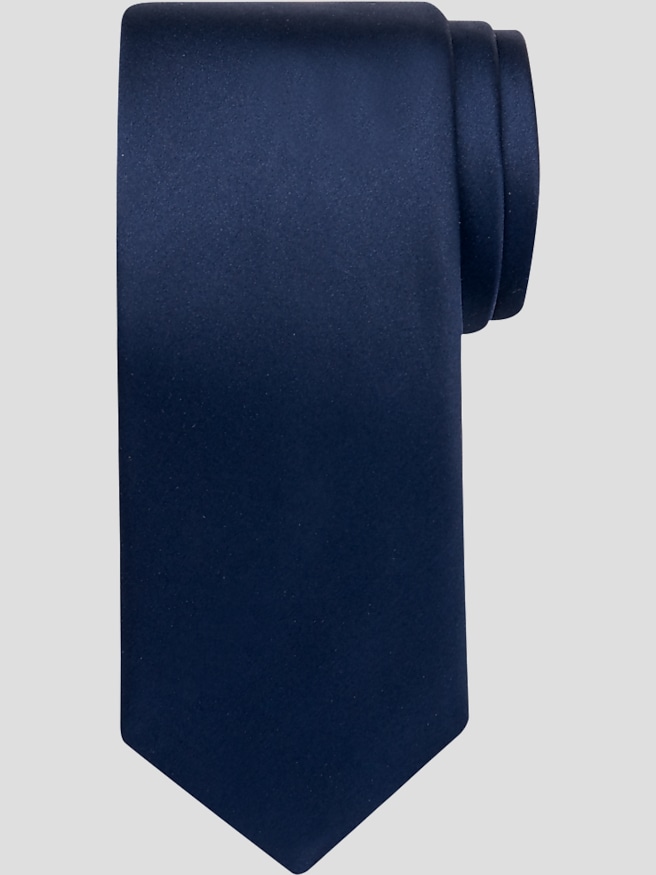
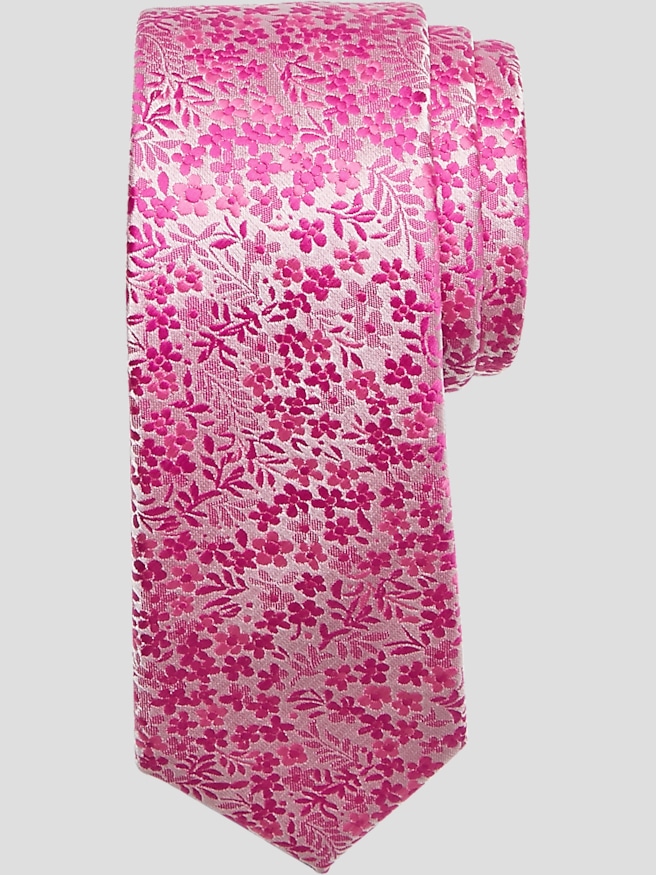
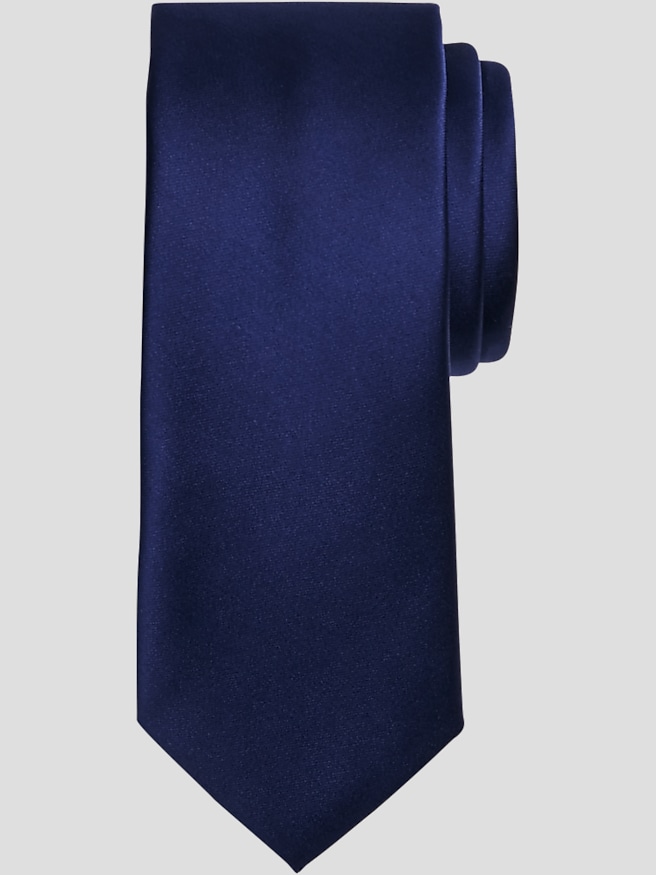
Patterned silk ties for men bring color, movement, and a polished finishing touch to tailored clothing, with designs ranging from quiet pin dots and neat geometric repeats to expressive florals, paisleys, and diagonal stripes. Silk is valued for its smooth feel, graceful drape, and natural luster, qualities that give a patterned necktie depth without requiring a bold color palette. A navy tie scattered with small silver motifs can feel restrained against a white shirt, while a burgundy paisley adds richness to a charcoal suit. The character of the pattern matters as much as its color: closely spaced repeats tend to read as subtle texture from across a room, while larger motifs make the tie a more noticeable part of the outfit. Printed silk carries its design on the fabric’s surface and can capture fine outlines, intricate curves, and crisp shifts in color. Woven silk patterns, including jacquards, use the structure of the weave to create the design, often producing raised details or a contrast between matte and lustrous areas. Neither approach is inherently more formal; scale, sheen, color, and the surrounding clothing all influence the result. Small geometric patterns and understated stripes fit naturally into office wardrobes, interviews, and client presentations where the goal is to look composed rather than conspicuous. Florals and medallions can add personality to wedding attire, anniversary dinners, and other celebrations without losing the structure of a suit-and-tie combination. During the cooler months, deeper shades such as forest green, wine, and midnight blue sit comfortably beside gray flannel, navy wool, and softly textured sport coats. Lighter grounds and brighter accents remain useful year-round, especially when they pick up a color already present in a shirt or pocket square. For occasions with a strict dress code, the invitation takes priority; a patterned silk necktie is well suited to many tailored settings, but traditional black-tie attire generally calls for a bow tie.
The proportions of a silk tie help determine how comfortably it fits into an outfit. Tie width is usually most balanced when it relates to the width of the jacket lapels and the wearer’s overall build, rather than following a single measurement for every suit. A narrow blade gives a trim jacket a streamlined finish, while a fuller blade has enough visual weight to complement broader lapels. Length matters just as much: once tied, the front tip generally sits near the belt buckle or trouser waistband. Taller wearers, larger neck sizes, and fuller knots may require more length to reach that point without leaving an awkwardly short back blade. Fabric thickness and the internal lining affect the size of the knot and the way the tie hangs. A lighter silk can form a compact four-in-hand that sits comfortably beneath a point collar, while a more substantial woven fabric can produce a fuller knot with fewer wraps. A spread collar leaves room for a broader knot, although an oversized knot can overwhelm a small collar regardless of the pattern. The most convincing combinations allow one element to lead. A floral silk tie against a solid pale blue shirt lets the design stay visible; the same tie with a busy shirt may lose its definition. Pattern mixing can still look natural when the scales are distinct, such as a broad diagonal stripe paired with a fine check. Repeating one shirt color within the tie helps connect the pieces without making them look matched by formula. A pocket square can echo a minor accent rather than duplicate the tie’s entire design. For a quieter effect, tonal patterns keep the palette controlled while letting the weave catch the light. Alongside printed motifs, Textured Silk Ties offer another way to bring surface interest to a solid shirt or smooth suit fabric. The distinction is useful when the outfit needs depth but not another strong graphic element.
Construction and care influence how a patterned silk tie looks after repeated wear. Silk is a strong natural fiber, but the fine yarns used in neckwear can snag on rough surfaces, and persistent friction can leave visible wear around the knot. A tie’s ability to drape cleanly also depends on its cut, lining, and stitching, not simply the fiber named on the label. Many ties are cut on the bias to help the fabric hang smoothly, while an appropriately balanced lining gives the blade body without making it stiff. Fiber content deserves a close look because an all-silk shell and a silk-blend shell can have distinct textures and care requirements; the lining may use another material even when the outer fabric is silk. Following the individual care label is more reliable than assuming every silk tie can be treated the same way. After wearing, gently reversing the tying steps helps reduce strain compared with pulling the narrow end through a tightened knot. Leaving a tie permanently knotted can set creases and compress the fabric. Resting it on a smooth tie rack or storing it loosely rolled gives it space without sharp folds or pressure from other accessories. Spills need particular caution: rubbing can spread a mark or disturb the surface, and water or household cleaners may leave rings or affect the dye. A specialist cleaner experienced with silk neckwear is often the safest resource for a stubborn stain, with the care label guiding treatment. These details matter for ties worn through regular workdays as well as those kept for milestone occasions. As a gift, a patterned silk tie can feel personal without depending on the precise sizing required by a jacket. A recipient’s usual suit colors, preferred collar shape, and comfort with pattern provide useful clues. Understated dots suit someone who favors quiet tailoring, while an intricate paisley may appeal to someone whose wardrobe already includes richer colors. Thoughtful proportions, a wearable palette, and careful handling help make a silk tie a lasting part of a tailored wardrobe.