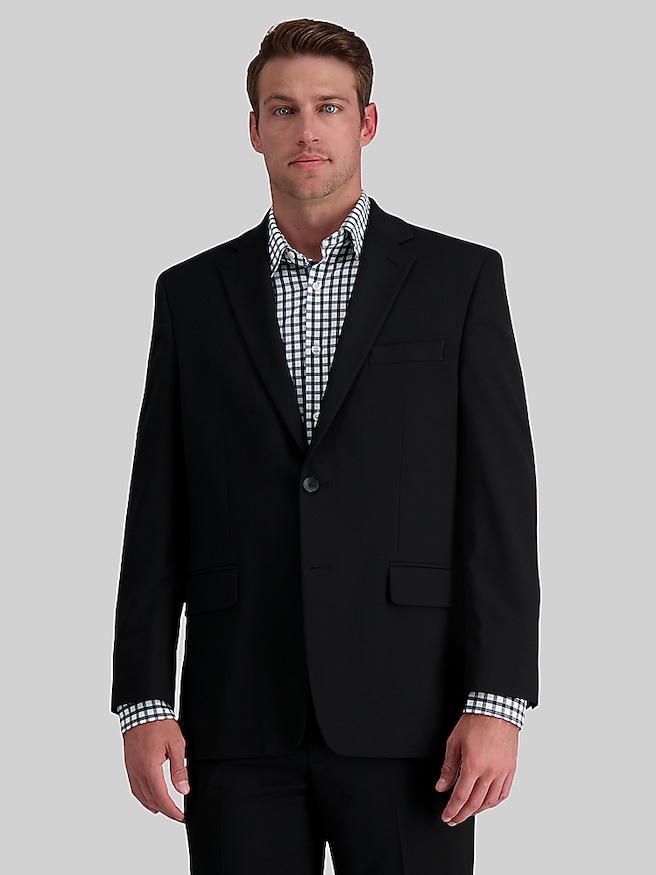
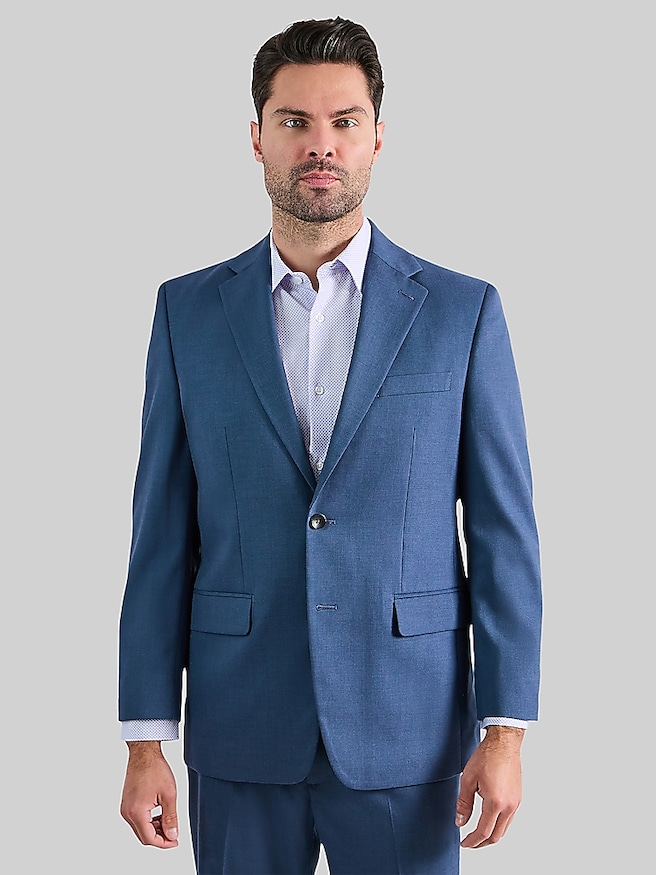
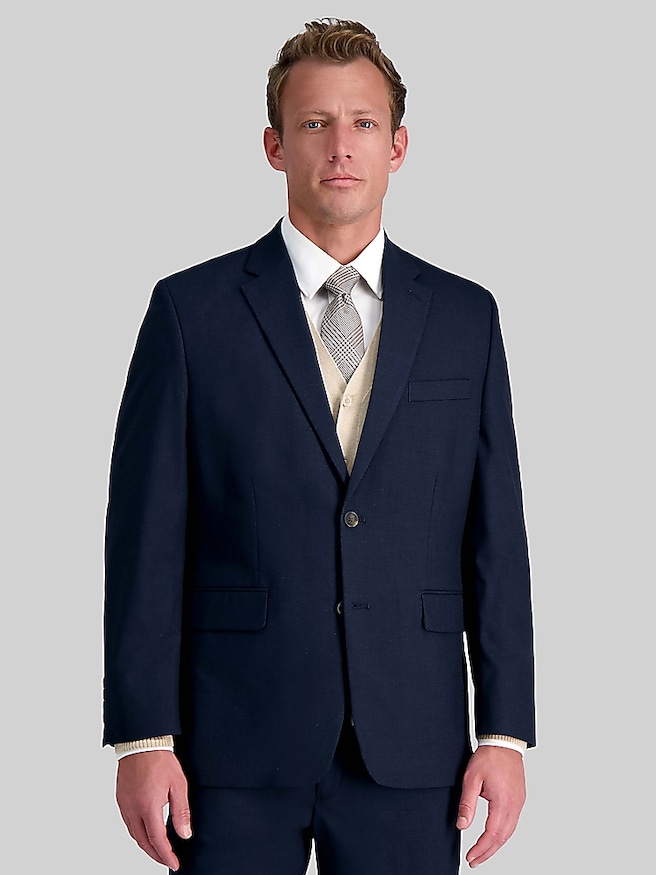
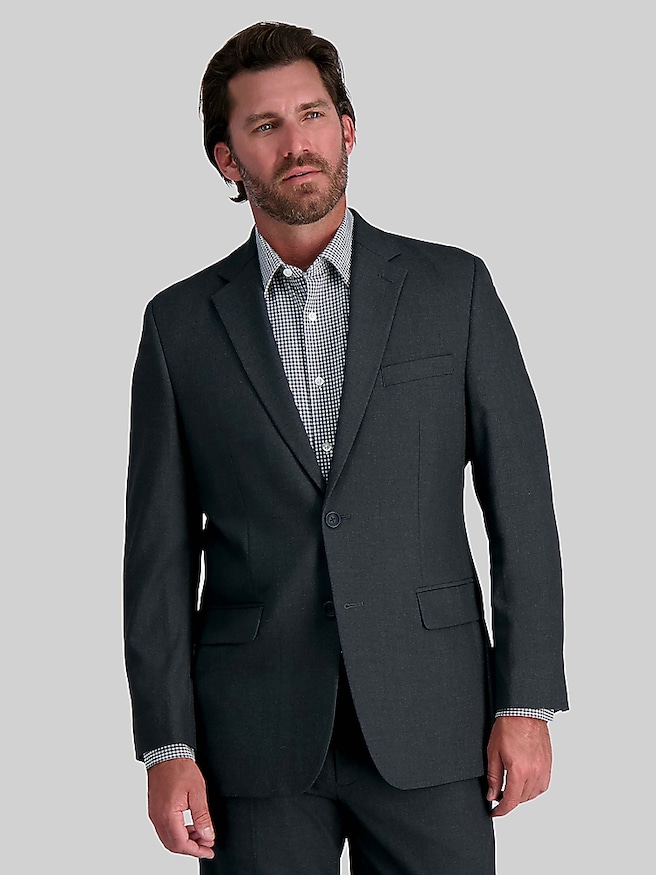
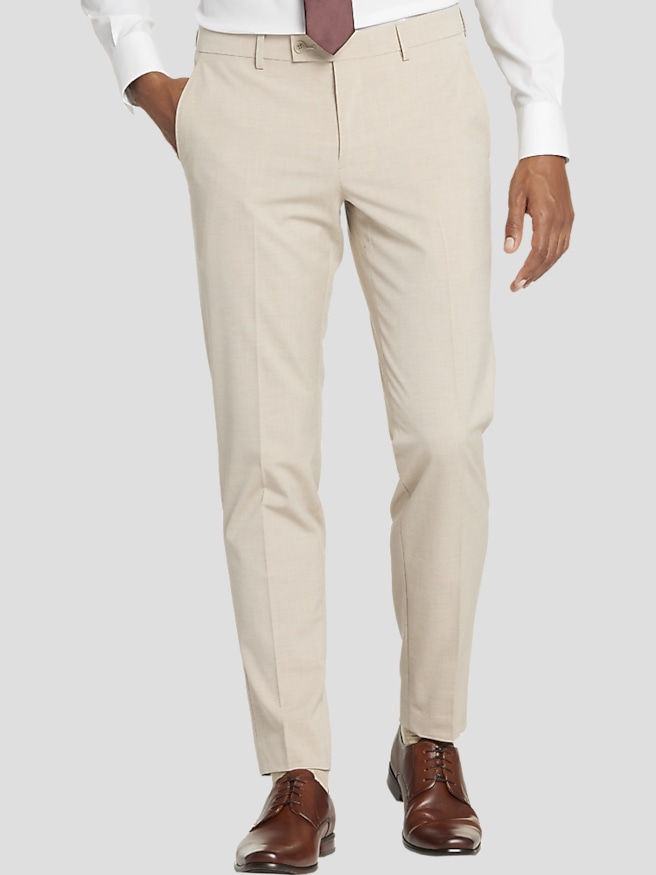
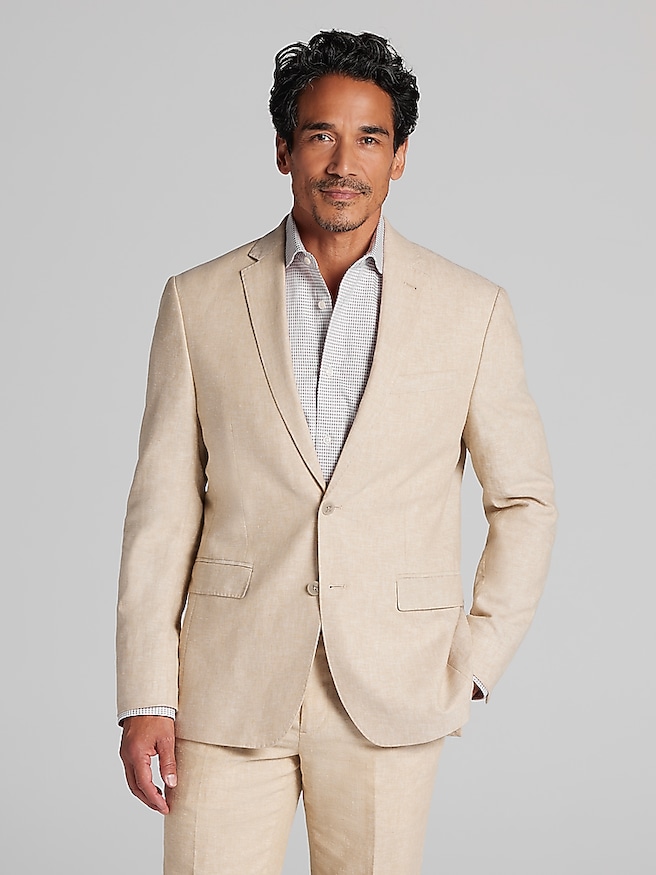
Outdoor wedding clothes should reflect the dress code on the invitation while also accounting for the setting beyond the ceremony space. A wedding held beneath trees, beside a shoreline, in a vineyard or on a garden lawn can feel less formal than an indoor celebration, but the venue does not replace the stated level of dress. When the invitation calls for black tie or formal attire, a tuxedo or dark, structured suit remains the right choice, even if the aisle is lined with wildflowers or the reception takes place beneath a clear-top tent. For a cocktail or semi-formal wedding, a well-fitted suit with a dress shirt creates a polished foundation, while a lighter suit or coordinated jacket and trousers can suit a daytime celebration in warmer weather. Garden-party and dressy-casual events allow more room for relaxed textures, softer colors and an open-collar shirt, provided the overall look still feels intentional. Pay attention to words such as “formal,” “cocktail,” “semi-formal,” “dressy casual” or “black tie optional,” and consider the time of day as well as the location. A late-afternoon ceremony may begin in bright sun and end after temperatures fall, so an outfit that looks comfortable at the start should still feel appropriate when the lights come on and dinner is served outdoors. For the groom, the wedding party and close family members, consistency matters as much as individual style. Those planning a coordinated celebration can use the formality of the venue, the wedding colors and the season as a starting point, then select clothing that allows each person to move, greet guests and remain comfortable through photographs, dinner and dancing. For more focused inspiration, explore Groom Attire For Outdoor Wedding when building a look around the ceremony setting and the rest of the wedding party.
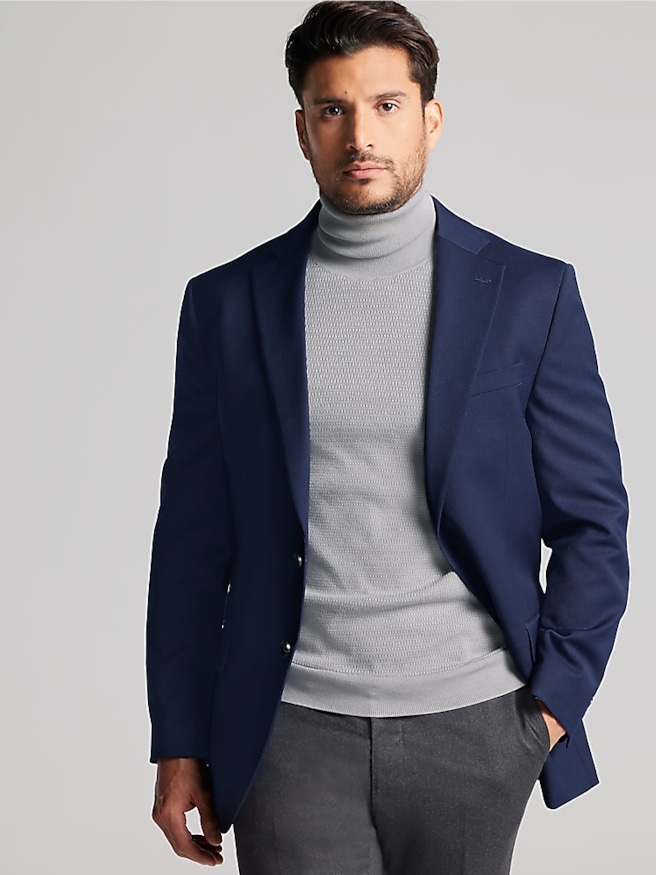
Fabric and construction make a noticeable difference when choosing outdoor wedding clothes. As the weather warms, breathable materials and lighter-weight blends can help prevent a suit from feeling heavy during an outdoor ceremony, especially when guests are seated in direct sunlight or walking between separate areas of the venue. Linen and linen-blend fabrics bring a relaxed, textured character that works naturally at a beach, vineyard or garden wedding, while cotton blends and lightweight wool can offer a cleaner, more polished appearance for semi-formal events. For cooler conditions, structured wool and layered blends provide warmth without losing the shape expected at a wedding. Avoid choosing a fabric based only on appearance; think about how it will wear after several hours of standing, sitting and moving across uneven ground. A jacket should allow comfortable arm movement without pulling across the shoulders, and trousers should sit securely while leaving enough room to walk and sit with ease. Fit is particularly important outdoors, where a loose or oversized silhouette can look untidy in photographs and a very close fit can become uncomfortable as the day unfolds. Colors can also work with the surroundings: lighter neutrals, soft blues and subtle earth tones often complement warm-weather scenery, while deeper shades create a more formal impression during the cooler months. A dress shirt, tie or pocket detail can add personality without competing with the wedding party, and a simple, coordinated palette photographs well against greenery, stone, sand and open sky. Anyone helping a groom or wedding guest choose a gift can consider versatile formalwear accessories, especially items that support an existing wardrobe and can be worn again for celebrations, professional events or evening dinners. The most useful choices tend to balance style with repeat wear, rather than being tied too closely to one wedding’s colors or theme.
Shoes and finishing layers deserve the same attention as the main outfit. Outdoor ceremonies often involve grass, gravel, sand, brick paths or uneven lawns, so footwear should be both polished and practical. Leather loafers, dress shoes or other supportive formal styles can complete a wedding outfit without making every step feel precarious. Choose a sole with enough traction for the venue, and break in new shoes before the event; a long ceremony followed by photographs and dancing is not the time to discover that a stiff heel or narrow toe causes discomfort. Consider the setting when selecting the level of shine and structure. Sleek footwear suits a formal evening celebration, while a more relaxed finish can blend with a daytime garden or beach gathering. Socks should coordinate with the trousers and overall palette, and a belt or other accessories should complement rather than distract from the outfit. Outdoor temperatures can shift quickly after sunset, particularly near water or in open countryside, making a lightweight sport coat, suit jacket or other refined layer a practical part of the ensemble. A jacket also adds visual structure for photographs and can be removed during the reception without leaving the outfit unfinished. Guests traveling to the wedding may want to carry a compact garment bag, wrinkle-release spray and a change of comfortable shoes for the drive or reception, while members of the wedding party should allow time for alterations and final fitting before the event. Clothing should support the experience: standing beneath a floral arch, walking across a lawn for portraits, greeting relatives at a long outdoor table and staying comfortable as the celebration continues into the evening. With the invitation, weather, venue surface and expected movement in mind, outdoor wedding clothes can look refined, feel natural and remain dependable from the first arrival through the final dance.