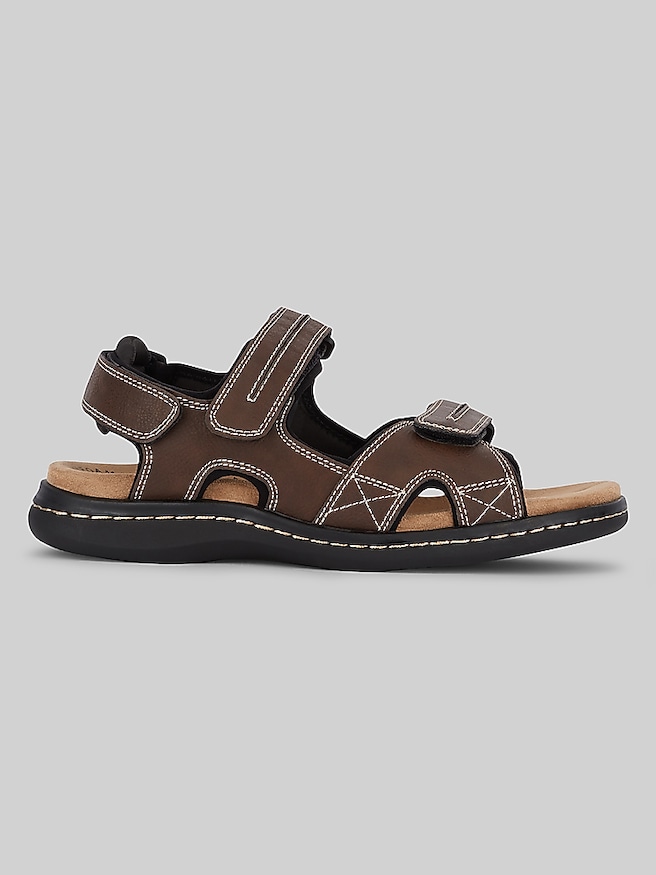
Outdoor sandals combine the open feel of casual footwear with features designed for walking, travel, and time spent beyond the sidewalk. Secure straps, supportive footbeds, and rubber outsoles are common features, though the right combination depends on where the day leads. A pair intended for campground paths has a different job from one worn along a rocky shoreline or through a full afternoon of sightseeing. For outdoor walking, a stable platform and a secure heel can matter as much as cushioning: the foot should feel supported rather than slide sideways with every turn. Adjustable forefoot and ankle straps help hold the sandal in place, while a contoured footbed may provide a defined heel cup and arch support. Outsole construction deserves equal attention. Deeper tread can help on loose ground, while rubber compounds and tread patterns designed for wet surfaces may improve traction around water; no outsole makes every slippery surface safe. Open-toe designs leave more of the foot uncovered and make it easier to shake out loose sand. Closed-toe outdoor sandals add coverage at the front, which can be useful around small stones and exposed roots, although they do not offer the same protection as enclosed hiking footwear. Lightweight walking sandals suit paved paths, casual outings, and travel days with frequent stops. More structured designs may feel better on uneven paths, particularly when the heel stays firmly seated and the sole resists excessive twisting. For steep trails, heavy packs, or terrain with substantial debris, hiking shoes or boots may be more appropriate. That distinction helps keep outdoor sandals in their intended role: practical, easygoing footwear for activities that benefit from an open design without giving up all the structure of a walking shoe. Whether the destination is a lakeside picnic area, a neighborhood park, or a rental cabin’s gravel walkway, the most useful features are the ones that match the surface underfoot and the amount of walking involved.
Materials shape how outdoor sandals feel, how they handle moisture, and how much attention they need afterward. Polyester or nylon webbing is often used for adjustable straps because it can provide strength without much bulk, and some synthetic constructions are designed to dry quickly after exposure to water. Drying time still varies with strap thickness, padding, and the footbed material. Leather and nubuck bring a more textured appearance that works well with casual clothing, but repeated soaking can affect their finish and flexibility unless the construction is specifically intended for water use. Soft linings and neatly finished strap edges can make a noticeable difference where the sandal touches the top of the foot. Underfoot, foam cushioning can soften repeated steps, while firmer midsoles may provide a steadier feel over longer walks. An especially soft footbed is not automatically more supportive, and a thin, flexible sole creates a different experience from a substantial platform with a shaped arch. Fit brings these details together. Toes and heels should sit within the footbed rather than hang over its edges, with enough room for natural movement. Straps should feel secure without digging in, and adjustment points are most useful when they let the forefoot and ankle fit independently. A comfortable fit also keeps buckles and strap junctions away from sensitive spots. On a walk from a parking area to a picnic table, repeated rubbing at one small point can become more noticeable than the overall softness of the sole. Footbed contours need to line up with the foot, especially through the arch, rather than force it into an uncomfortable position. Durability depends on the whole construction: securely attached straps, sound stitching, resilient cushioning, and an outsole suited to the intended surface all contribute. Substantial tread alone does not guarantee a long service life, just as a lightweight sandal is not necessarily limited to occasional wear.
Outdoor sandals also have a place in a relaxed wardrobe, especially when a day includes both walking and casual plans. Nylon webbing and pronounced tread give them an athletic character alongside shorts, utility pants, and simple knit shirts. Leather straps and a less pronounced sole can look more understated with chinos or linen-blend pants. For a related look centered on clean shapes and easy outfit pairings, Modern Sandals offers another direction to explore. The distinction is less about a rigid dress rule than the balance between appearance and function: a sandal worn to an informal patio lunch may not need the same construction as one meant for regular shoreline walks. Travel adds another consideration, since sandals that pack easily and work with several casual outfits can simplify a weekend bag. They can also make a thoughtful gift for a man who enjoys camping, beach trips, or leisurely walks, provided his size, preferred fit, and likely activities are known. Adjustable straps offer flexibility, but they cannot compensate for the wrong footbed length or shape. Routine care helps preserve both comfort and appearance. Grit caught beneath straps or lodged in tread can create friction, so removing loose dirt after an outing is worthwhile. Cleaning methods should follow the material and manufacturer’s directions; many synthetic surfaces tolerate gentle cleaning with mild soap and water, while leather may need a suitable cleaner or conditioner. Thorough air-drying away from direct heat helps protect adhesives, finishes, and cushioning. Sandals should be dry before being packed away, particularly after use around water. Occasional attention to worn tread, frayed straps, loose stitching, or compressed footbeds also helps reveal when support or traction has changed. With a suitable fit, activity-appropriate construction, and straightforward care, outdoor sandals can become a dependable part of casual dressing, from a short walk for coffee to an unhurried day exploring paths near the water.