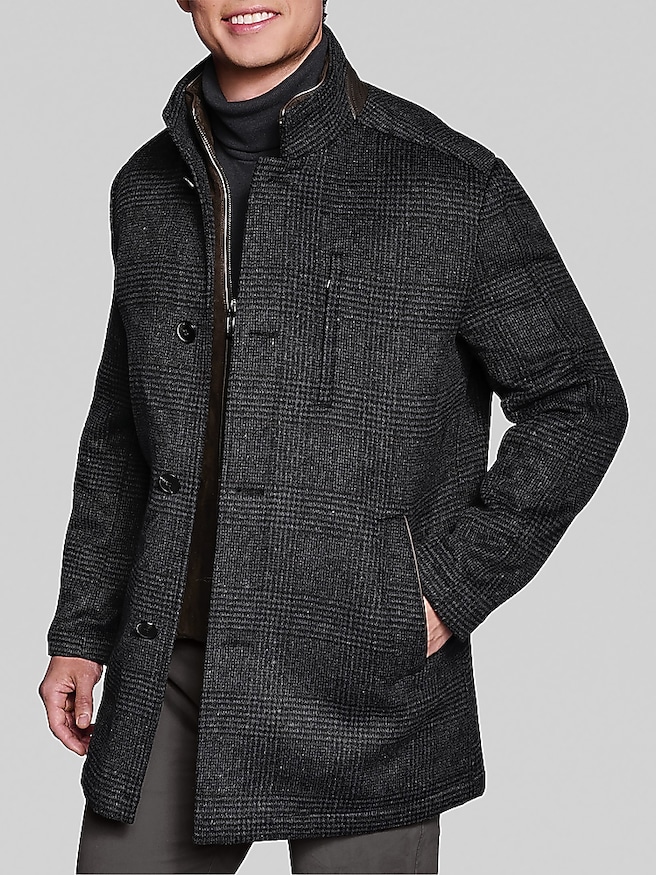
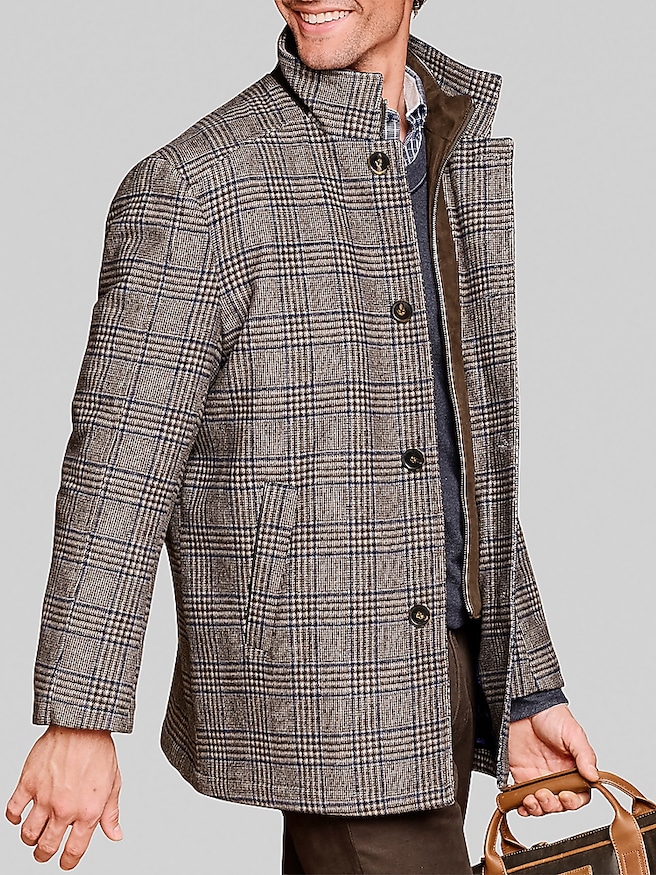
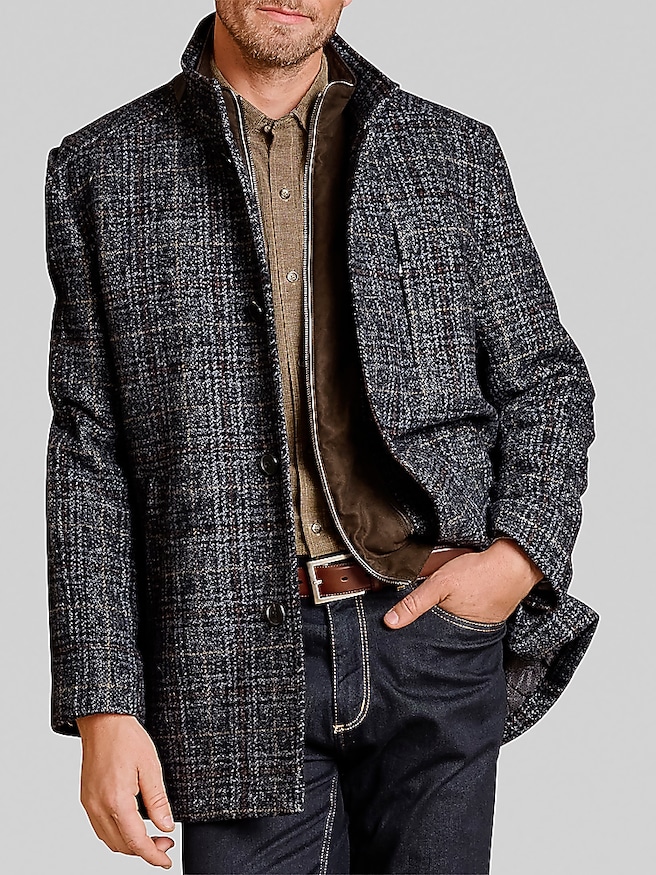
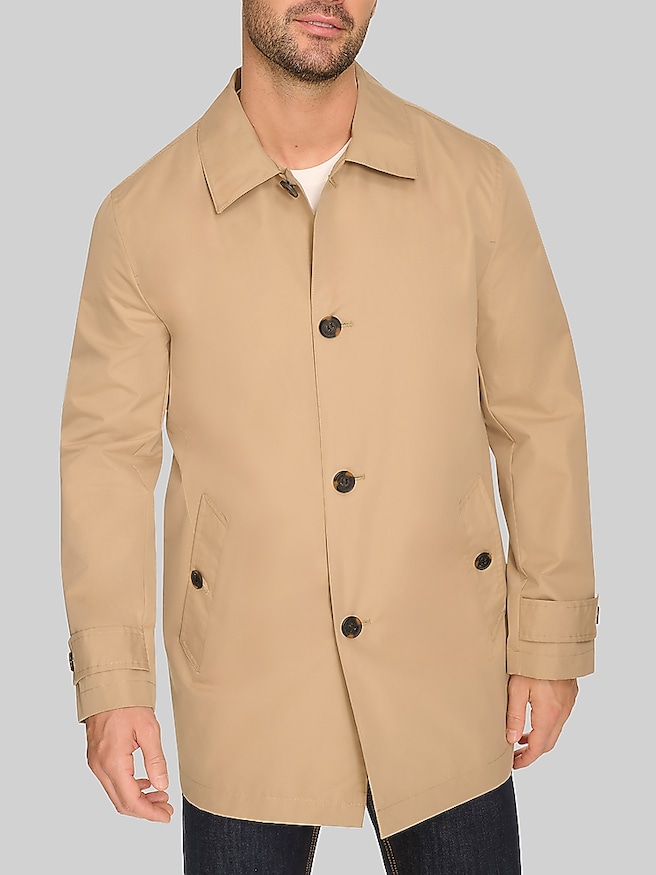
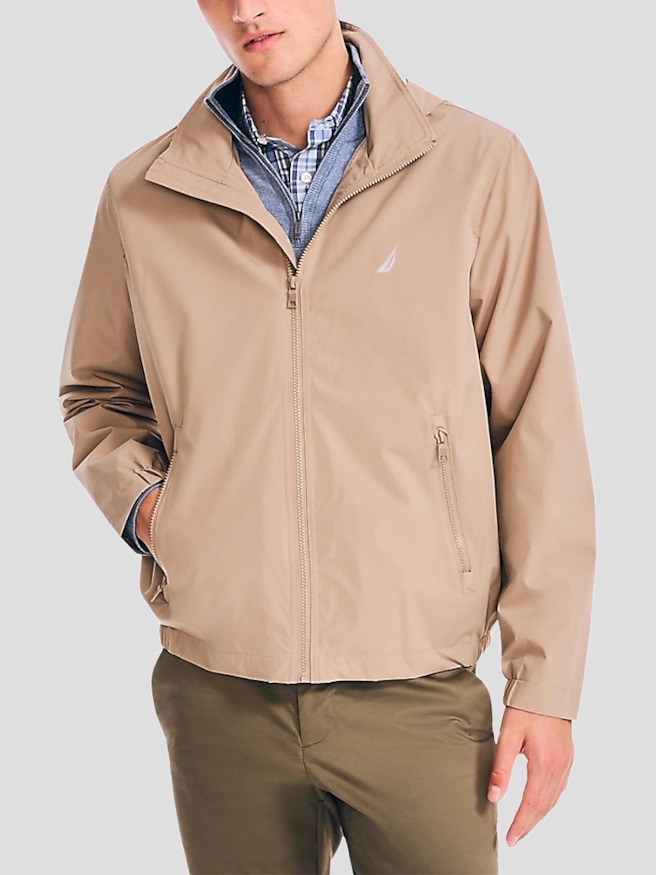
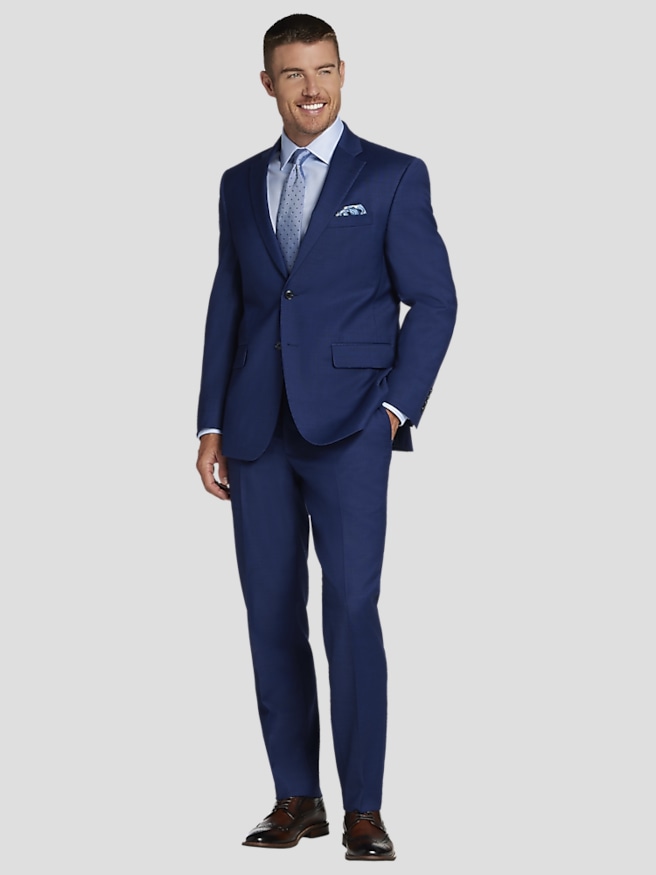
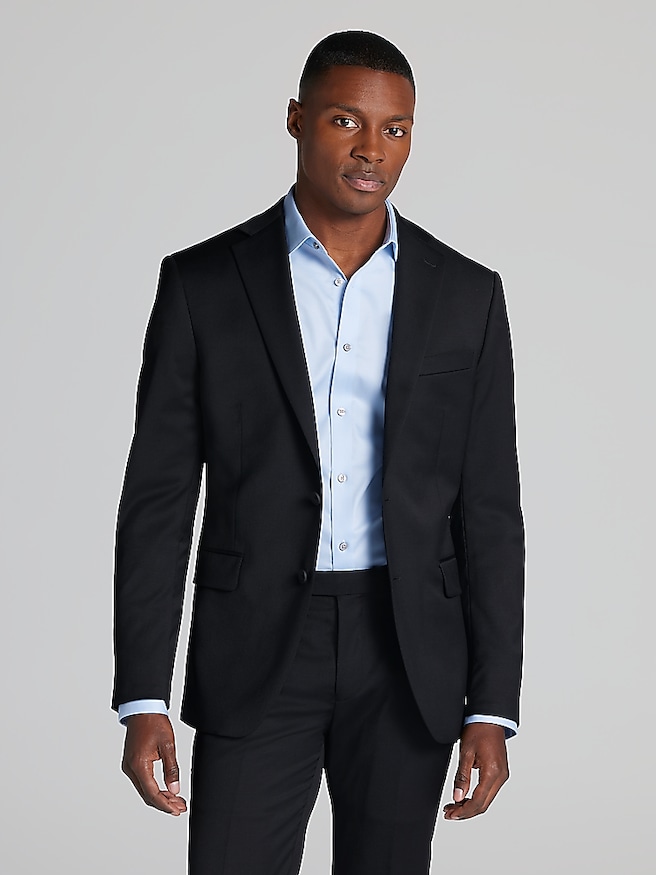
Outdoor jackets for men bring a practical finishing layer to everyday dressing, whether the day involves a walk to the train, an afternoon on the sidelines, or a weekend away with a lightly packed bag. The best match depends on how much time is spent outside, what goes underneath, and how polished the complete outfit needs to look. A streamlined jacket can sit comfortably over a button-down shirt on the way to work, while a more relaxed shape leaves space for a substantial sweater on an unhurried Saturday. Fabric plays a large part in that distinction. Tightly woven nylon and polyester can provide a lightweight outer shell, though protection from wind and moisture depends on the construction and any applied finish. Cotton canvas brings a firmer hand and a casual character that pairs naturally with denim or chinos; untreated cotton, however, is not a substitute for a waterproof layer. Wool blends offer texture and warmth with a more tailored appearance, while fleece lends softness and insulation without the structure of a woven fabric. Quilted construction helps distribute insulation, but warmth also depends on the type and amount of fill, the lining, and how closely the jacket fits. A water-resistant finish may be useful for brief exposure to light rain, whereas sustained wet conditions call for clearly stated waterproof performance and appropriate seam construction. Breathability matters, too, especially when a brisk walk becomes part of the commute. A heavy layer that feels comfortable standing still may feel excessive after several blocks at a quick pace. Hoods, adjustable cuffs, and closures that cover the front zipper can help limit exposure, while a stand collar offers coverage without the bulk of a hood. These details give outdoor outerwear its everyday usefulness: protection suited to the setting, enough freedom to move, and a shape that works with the clothing already in regular rotation.
Fit determines whether those useful details translate into a jacket that gets worn often. Shoulder seams should generally sit close to the natural shoulder unless the design intentionally uses a dropped or raglan construction, and the upper back should allow an easy forward reach. Fastening a seat belt, carrying a backpack, or lifting a bag into an overhead compartment quickly reveals whether a jacket is too restrictive through the shoulders and sleeves. Trying the fit over the kind of layer normally worn underneath gives a more realistic sense of comfort than judging it over a thin T-shirt alone. The front should close without pulling across the chest, and the hem should not rise excessively when the arms move. Sleeve length also matters: coverage at the wrist is useful outside, but excess fabric gathering over the hands can make daily tasks awkward. Shorter lengths tend to feel easy when driving or sitting, while a longer cut provides additional coverage and may work better over an untucked shirt or substantial knit. For a jacket worn over tailoring, enough length to cover the layer beneath helps preserve a clean outline. Pockets deserve similar attention. Hand pockets placed at a comfortable angle are welcome during a walk, while secure interior storage can keep a phone or card case close without weighing down the outer pockets. In terms of appearance, navy, charcoal, olive, and earthy neutrals are versatile companions for familiar wardrobe staples. Matte fabrics often feel understated, while visible quilting, brushed surfaces, or contrasting trim add dimension to a simple combination of trousers and a sweater. For another perspective on expressive outerwear, Unique Jackets for Men offers a related direction to explore. An outdoor jacket can also make a thoughtful gift for someone who commutes on foot, travels frequently, or spends weekends watching sports from the sidelines. Familiarity with the recipient’s usual size, preferred fit, and daily routine is more useful than choosing solely by color.
Long-term satisfaction comes from construction and care as much as initial appearance. Areas that see repeated strain, including pocket openings, underarms, cuffs, and the base of a zipper, benefit from secure stitching and thoughtful reinforcement. A zipper should move smoothly without catching the lining, snaps should fasten firmly, and pocket bags should feel substantial enough for ordinary use. Fabric weight alone does not establish durability; a lighter, well-constructed shell may suit frequent travel better than a heavier fabric that is poorly matched to the activity. Likewise, an everyday outdoor jacket is not automatically intended for extended backcountry use or severe conditions. Its strengths may lie instead in handling the transitions between a parking lot, an office, a neighborhood walk, and a casual dinner without looking out of place. Keeping that intended use in mind makes features easier to evaluate and helps avoid unnecessary bulk. Care requirements are worth considering before a jacket becomes part of a busy weekly routine. Some synthetic fabrics tolerate machine washing according to the care label, while wool blends, structured linings, leather trim, or specialized finishes may need a more particular approach. The label should take precedence over general fabric advice, especially for insulated or water-resistant construction. Fabric softener can interfere with some performance finishes, and excessive heat may affect coatings, trim, or the shape of the garment. Small marks are often easier to address promptly with a cleaning method appropriate to the material rather than allowing dirt to settle into cuffs and collars. A damp jacket should dry thoroughly before storage, and insulation should not remain compressed for long periods unless the manufacturer’s instructions allow it. Emptying pockets helps prevent stretched fabric, while a supportive hanger can preserve the shoulders of a structured style. With suitable care, a well-chosen jacket can remain a dependable part of daily dressing, ready to complement a workday outfit or accompany a long walk with the same comfortable, practical ease.