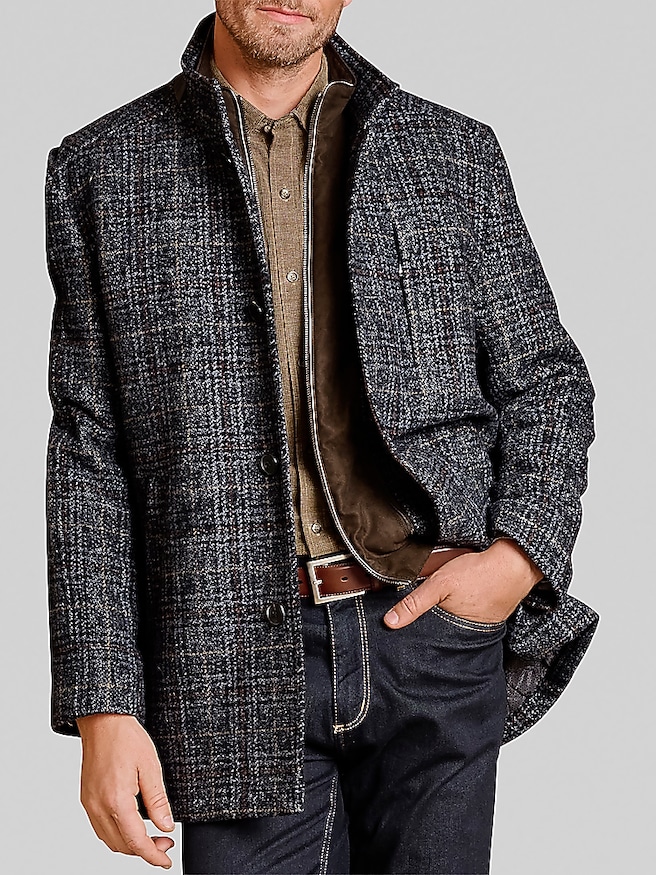
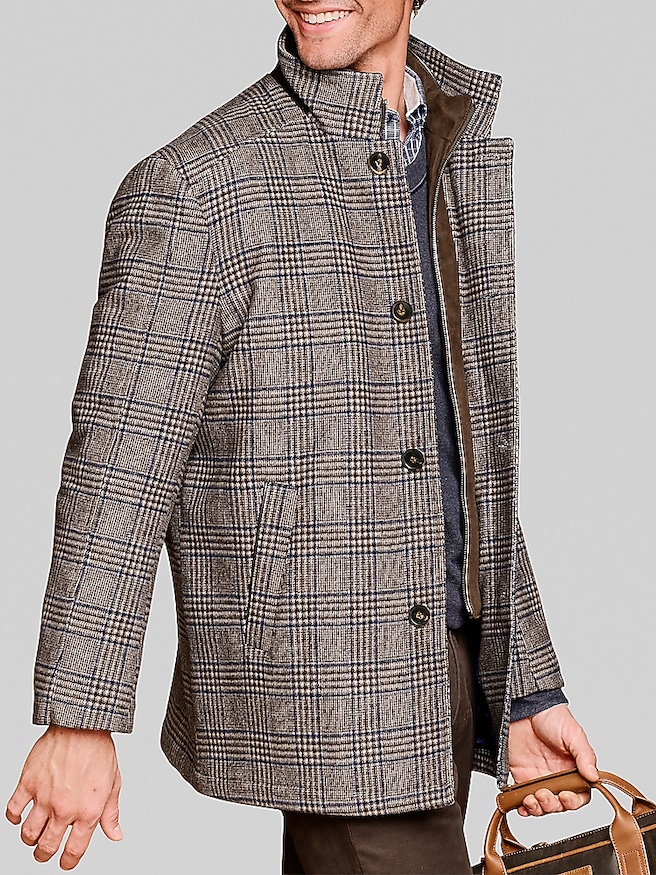
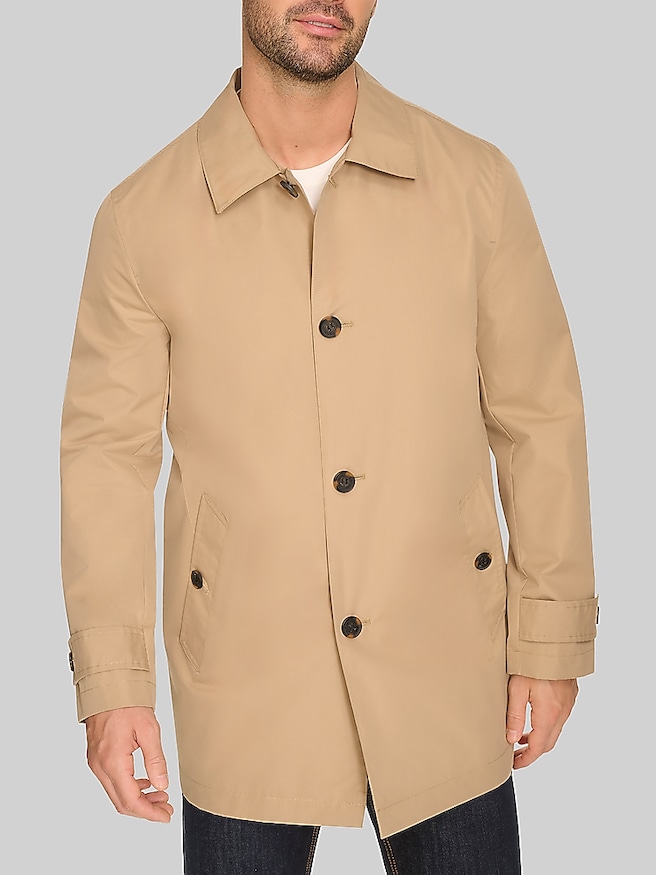
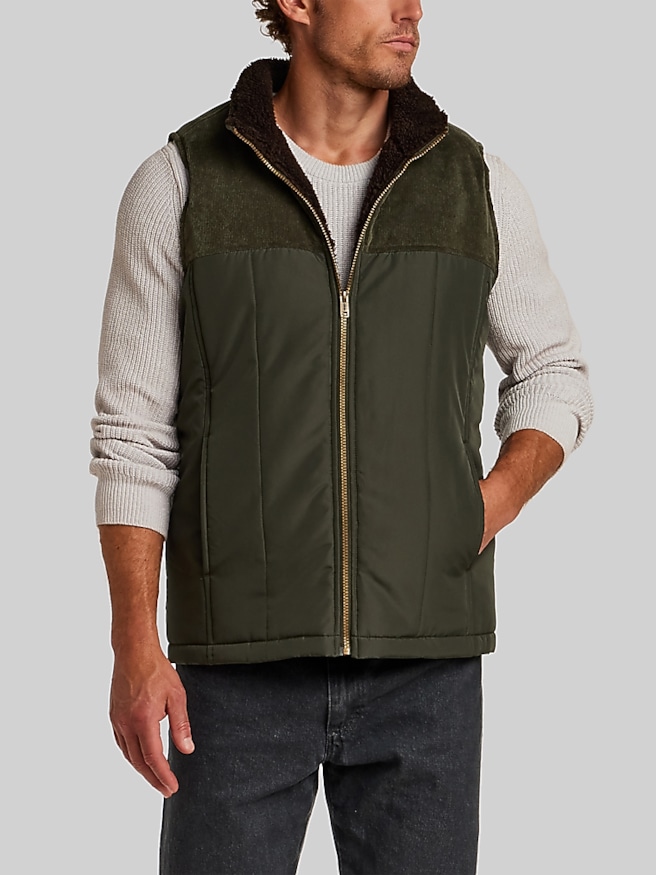
Outdoor clothes for men bring together everyday style and the practical details that make time outside more comfortable. A walk along a wooded trail, an afternoon at a neighborhood park, or a weekend spent exploring a new town can involve plenty of movement without calling for specialized expedition gear. Clothing for these settings needs to feel easy, allow a natural stride, and remain presentable when the day moves from an open-air gathering to a casual restaurant. Fabric plays a large part in that balance. Cotton offers a familiar, breathable feel for relaxed outings, while cotton blends can add stretch, help limit wrinkling, or dry more readily, depending on their construction. Nylon and polyester are often used where lighter weight and resistance to abrasion are useful, though the finished fabric’s weave and thickness matter as much as its fiber content. Wool can provide useful insulation and help manage moisture vapor, making it suitable for layers worn over extended periods. A soft brushed surface feels inviting against the skin, while a smooth exterior tends to slide more easily beneath another layer. For days that may include light precipitation, a water-resistant finish can help shed brief splashes or drizzle; it should not be confused with waterproof construction intended for sustained rain. Wind resistance is another separate consideration, particularly in open spaces where a loosely knit fabric may let air pass through readily. These differences explain why outdoor clothing encompasses more than a rugged appearance. The right combination depends on the activity, how long someone expects to be outside, and whether the day includes frequent stops or steady movement. Subtle textures, understated patterns, and versatile colors also make these clothes easy to wear beyond their original purpose. An earthy palette can feel at home beside a trail or around a backyard table, while navy, gray, and black fit naturally into a casual everyday wardrobe. The result is clothing that supports an active schedule without making every outing look like a trip into the backcountry.
Fit becomes especially noticeable outdoors, where sitting, bending, reaching, and walking over uneven ground ask more of clothing than standing in front of a mirror. A comfortable shoulder should permit an easy reach without pulling sharply across the upper back, and sleeves should provide coverage without swallowing the hands. Through the body, enough room for a light layer helps preserve mobility, but unnecessary bulk can bunch beneath outerwear or catch against a bag. Pants benefit from a comfortable rise and room through the seat and thighs, particularly for long drives followed by a walk or an afternoon spent moving between picnic benches and lawn chairs. Stretch can make these transitions easier, although a thoughtful cut remains important even in a flexible fabric. Hems that clear the ground help reduce contact with mud and rough surfaces, while a secure waistband keeps the fit consistent during movement. Layering offers another way to adapt an outfit without relying on a single heavy garment. A comfortable base, a breathable middle layer, and an outer layer suited to the conditions each serve a distinct purpose. Sleeveless options, including outdoor vests for men, can add coverage through the torso while leaving the arms free for carrying bags, driving, or setting up an outdoor meal. Details such as adjustable cuffs, accessible pockets, and closures that operate smoothly can make a noticeable difference over a full day. Pocket placement matters when a shoulder strap crosses the chest or when sitting makes a lower pocket difficult to reach. A collar that lies comfortably against the neck is more useful than one that feels stiff after an hour, and an inner seam should not become an irritation beneath a backpack strap. These are small considerations, but they contribute to clothing that feels natural rather than distracting. For an everyday outdoor wardrobe, relaxed structure and clean proportions often provide the most flexibility, allowing practical pieces to work together without an overly technical or heavily coordinated appearance.
Durability in outdoor clothing comes from the relationship between fabric, construction, use, and care. A substantial material may tolerate repeated contact with benches, rough wood, or the edge of a car trunk, but weight alone does not determine how well a garment will hold up. Firm stitching, neatly finished seams, secure buttons, and reinforced areas at frequent stress points can all contribute to dependable wear. Friction often shows first at cuffs, pocket openings, knees, and the seat, so the demands of the wearer’s routine matter. Someone who spends hours walking may prioritize lightness and freedom of movement, while someone enjoying a campsite gathering or an outdoor sporting event may prefer more substantial coverage and convenient storage. Travel adds its own considerations: fabrics that recover well after being folded and layers that coordinate with several outfits help keep packing manageable. Care should always follow the garment label, particularly when wool, stretch fibers, coatings, or bonded construction are involved. Excessive heat can affect certain fibers and finishes, and a fabric softener may interfere with the performance of some moisture-managing materials. Prompt attention to dirt and stains can help prevent buildup, while allowing damp clothing to dry fully before storage helps keep it fresh between outings. A repairable button or a small seam issue is also worth addressing before repeated wear makes the problem larger. For gifting, outdoor clothes suit people who enjoy weekend walks, road trips, backyard projects, or simply spending more of the day outside. Familiar sizing, comfortable textures, and colors that work with an existing wardrobe usually make a more personal choice than highly specialized features the recipient may never use. The most useful pieces reflect how someone actually spends time: hands in pockets on a long walk, sleeves pushed up while arranging an outdoor table, or an extra layer tucked into a bag before leaving home. Comfort, considered construction, and straightforward care give outdoor clothing a lasting place in everyday life, well beyond any single destination.