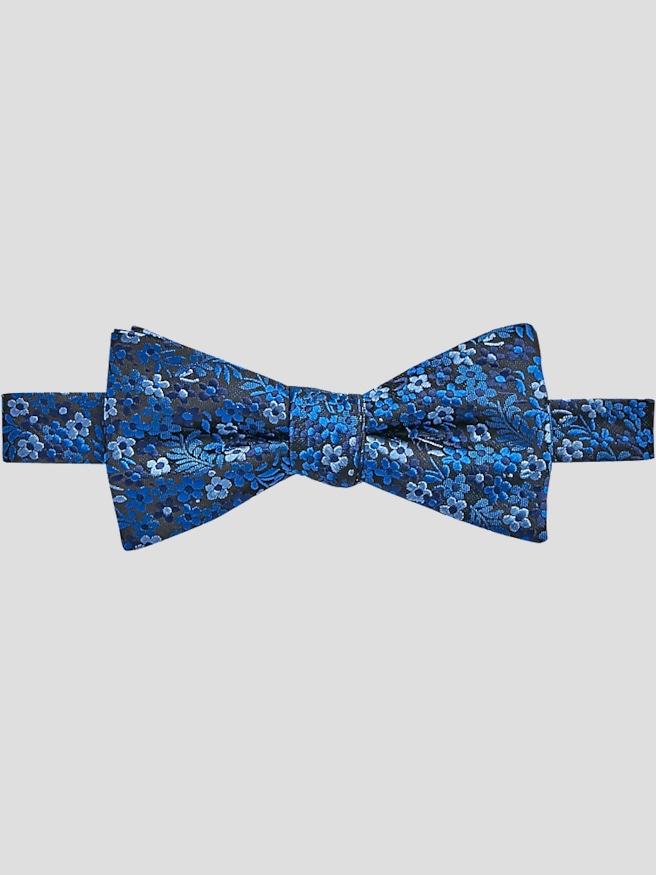
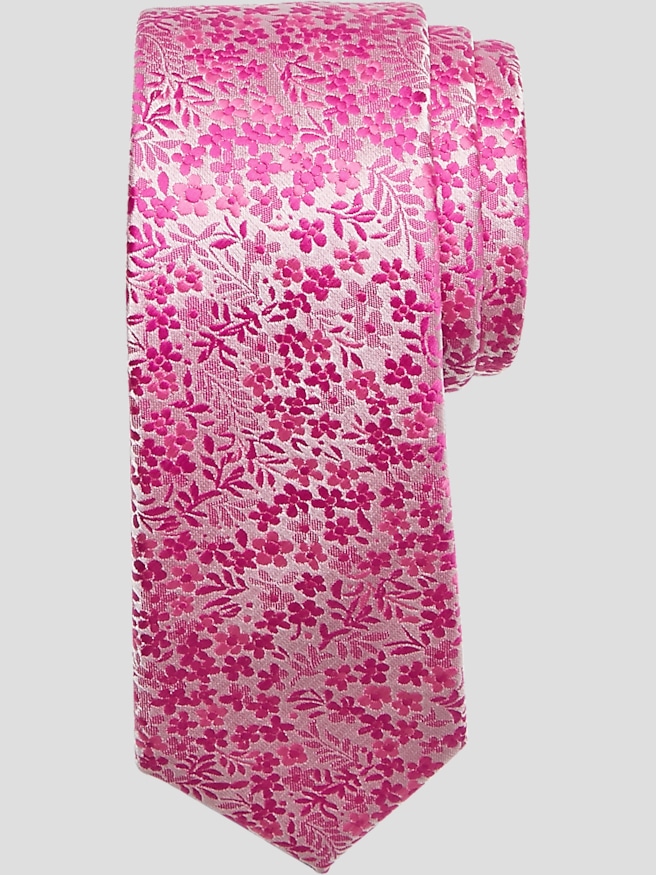
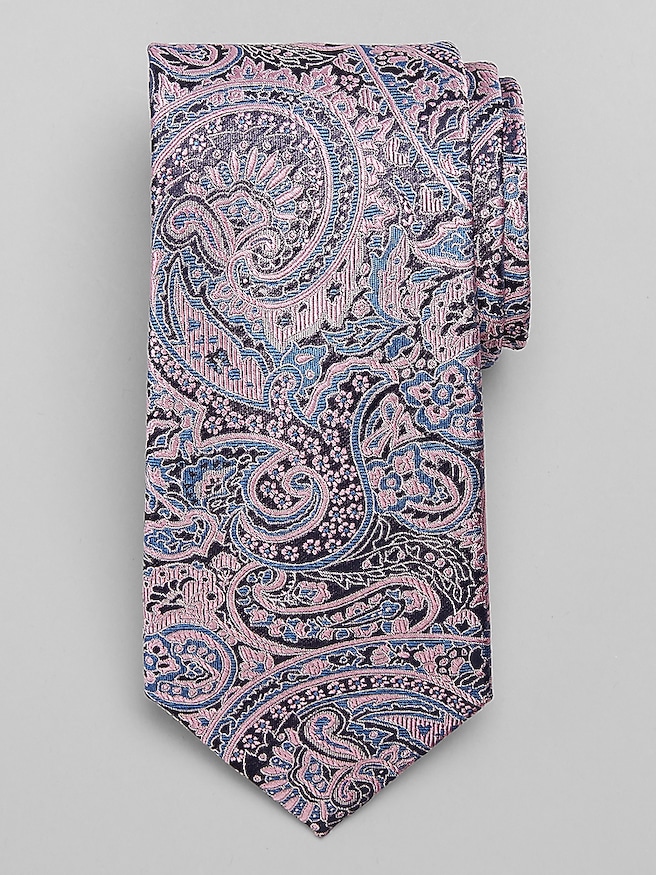
Orange patterned ties add a distinct point of color to tailored clothing, pairing especially well with navy, gray, charcoal, and tan suits. White and light blue dress shirts provide a clean background, allowing both the orange tone and the pattern to stand out without competing for attention. The effect depends as much on the shade as it does on the design: burnt orange and rust have a grounded, understated character, while brighter orange creates a sharper contrast against dark tailoring. An orange tie with small navy dots can feel restrained enough for an office presentation; a larger paisley or floral design brings more movement to a wedding outfit or celebratory dinner. Patterns also change how much orange the eye sees. A navy background scattered with orange motifs gives a subtle impression, while an orange background crossed by fine blue lines makes color the main feature. Small geometric repeats tend to look tidy from a distance, revealing their detail up close. Paisleys and botanical patterns have a more fluid appearance, particularly when their outlines include cream, brown, or muted blue. Those secondary colors offer useful connections to the rest of an outfit. A blue detail can echo a shirt, while a cream accent can sit comfortably beside an ivory pocket square. Stripes provide another way to balance a strong color with a familiar pattern; Men's Striped Ties offer the same opportunity to connect the colors of a shirt and jacket through a repeating design. When an orange patterned tie accompanies a checked jacket or striped shirt, differences in pattern size help keep each element distinct. A fine shirt stripe and a broader tie motif usually read more clearly together than two equally dense patterns. A solid pocket square, or one that picks up a minor accent rather than reproducing the entire tie design, leaves the neckwear as the focal point.
Fabric and construction influence how an orange patterned tie looks, knots, and holds its shape through repeated wear. Silk is valued for its fluid drape and natural luster, which can give orange depth rather than a flat appearance. A woven silk pattern may catch the light differently across its surface, while a printed design can show fine outlines and more intricate color changes. Jacquard describes a pattern woven into the fabric rather than applied only to its surface; the finished texture depends on the weave and fibers used. Cotton typically has a more matte appearance and can suit outfits built around textured jackets and less glossy shirting. Wool adds a soft, substantial texture that works naturally with similarly textured tailoring. Polyester and blended fabrics can offer resilience and consistent pattern definition, although feel, drape, and care requirements vary by construction. No single fiber determines quality on its own. Even stitching, balanced proportions, a neatly finished narrow end, and a tie that hangs straight all contribute to a polished result. The internal lining also affects body and knot formation: a substantial tie produces a fuller knot, while a lighter construction generally creates less bulk. Width is another part of that balance. A tie around three inches wide often sits comfortably with moderately sized jacket lapels, while narrower or wider shapes create a different relationship with the jacket and the wearer’s frame. Length matters just as much, particularly for taller wearers or anyone who prefers a knot that uses more fabric. With the knot settled at the collar, the broad tip generally reaches the waistband near the belt buckle. A four-in-hand creates a slightly asymmetrical knot with relatively little bulk; a half-Windsor gives a more balanced triangular shape. Collar space, fabric thickness, and personal preference help determine which looks most natural. A small dimple beneath the knot adds dimension and allows the pattern to fall cleanly down the front.
The intended occasion helps determine how prominent an orange patterned tie should feel. For business meetings, interviews, and client-facing work, a muted orange with a compact repeat can introduce personality while keeping the overall outfit composed. Navy tailoring, a pale blue shirt, and a rust tie with a small geometric pattern create clear color relationships without relying on several bold elements at once. Wedding guests and members of a coordinated wedding party may prefer a floral, paisley, or other expressive pattern that connects with the event’s chosen colors. An orange accent can also reflect school or team colors at an alumni gathering or recognition dinner without turning the entire outfit into a themed look. The invitation’s dress code still matters, since patterned neckties suit many dressed-up occasions but do not replace the neckwear specified for black-tie attire. As a gift, an orange patterned tie can feel personal when its colors and scale reflect what the recipient already wears. A father who favors charcoal suits may appreciate a deeper orange with restrained detailing, while a brother, partner, or friend who enjoys colorful accessories may gravitate toward a larger motif. Matching the tie’s character to familiar shirts and jackets makes it easier to wear beyond a single event. Thoughtful care helps preserve that usefulness. The care label should determine the cleaning method, especially when a tie combines different fibers or has a delicate surface. Silk and other fine fabrics can develop permanent marks from rubbing, harsh spot treatments, or excessive heat. After wear, gently undoing the knot rather than pulling the narrow end through a tightened loop reduces stress on the fabric and seams. Hanging a woven tie on a suitable rack or storing it in a loose roll helps limit creasing; crowded storage can leave unwanted folds. Allowing time between wears gives the fabric a chance to recover its shape. With suitable care and balanced proportions, an orange patterned tie can remain a dependable way to bring color and detail to familiar tailoring.