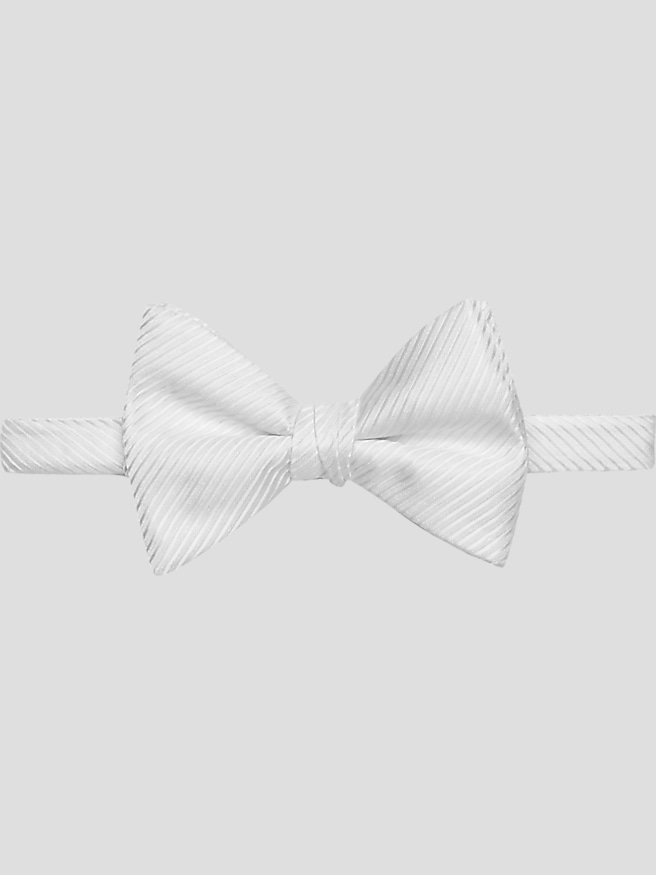
Men’s striped ties bring structure, color and a quietly confident finish to everything from weekday tailoring to special-event dressing. Often associated with repp ties, they traditionally feature a ribbed silk weave that gives the fabric subtle texture and helps the stripes appear crisp without looking overly glossy. The style has roots in British regimental neckwear, where particular colors and stripe arrangements represented military units, schools and clubs as symbols of affiliation, pride and service. That history still gives striped ties a sense of tradition, although today’s designs are worn more broadly as versatile accessories rather than statements of membership. Classic diagonal stripes may run from the wearer’s left shoulder toward the right hip, while American interpretations often reverse the direction. Unless a tie is explicitly connected to an organization, it is best to choose a pattern for its colors, scale and overall character instead of implying an affiliation that is not yours. With options ranging from narrow, understated lines to broad, high-contrast bands, striped ties can feel polished in a business setting, welcoming at a family gathering or celebratory at a wedding. They also make practical gifts for a man building a work wardrobe, a graduate beginning his first professional role, a member of a wedding party or anyone who appreciates accessories that can be worn in several ways. A tie in navy, burgundy, charcoal, gray or another versatile shade can become a reliable part of a rotation, while brighter combinations add personality for receptions, dinners and social occasions. During the warmer part of the year, a lightweight shirt and an open, breathable suit can give a striped tie a relaxed sense of polish; as the weather cools, the same tie pairs naturally with wool tailoring, textured sport coats and layered dress shirts.
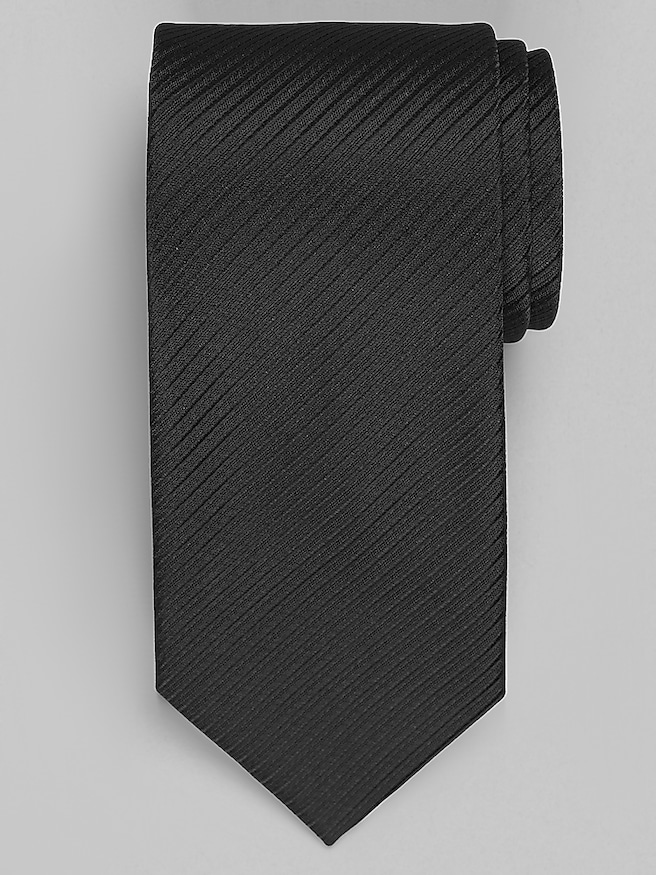
When choosing among men’s striped ties, begin with the setting, the rest of the outfit and the impression you want the pattern to make. A solid dress shirt is the simplest foundation because it lets the stripes take focus and makes coordination straightforward. White shirts provide a clean, high-contrast backdrop, while pale blue, soft pink, light gray and other muted shades can create a gentler combination. If you prefer to wear a patterned shirt, vary the scale: a tie with broad stripes generally works best with a fine-check or narrow-striped shirt, while a more restrained tie can balance a larger windowpane or bolder pattern. Avoid choosing stripes that are so similar in width and spacing that the shirt and tie compete visually. Color matters as much as pattern; look for one shade in the tie that relates to the shirt, jacket or pocket square, then allow the remaining colors to add distinction. A dark striped tie can sharpen a light shirt and medium-gray suit, while a richer red, green or gold accent can bring warmth to navy tailoring. Tie width should coordinate with the lapels of the jacket and your overall proportions. A medium-width style is a dependable choice for most wardrobes, while narrower designs can complement trimmer suits and broader ties can feel especially balanced with wider lapels. The knot should suit the collar: a four-in-hand knot offers a slightly relaxed, elongated shape, while a half-Windsor can provide additional symmetry and presence with a spread collar. Let the finished tie reach approximately the middle of the waistband or belt for a balanced appearance, and secure the narrow end with a keeper loop or tie bar when needed. For more options in a classic, easy-to-coordinate palette, explore Black Striped Ties, which can add definition to lighter shirts and formal suiting without the visual weight of a completely solid black accessory.
A striped tie earns its place in a closet through repeat wear. It can add a professional finish to a morning presentation, lend character to a dinner jacket and dress trousers, or complete a wedding outfit without looking overly ceremonial. For a job interview or an important meeting, conservative stripe widths and balanced colors can communicate care and composure while keeping the overall look approachable. For celebrations, wider stripes or more vivid combinations offer an opportunity to show style while remaining refined in photographs. Men who regularly attend formal events may appreciate having several variations: one subdued tie for dark suits and business occasions, one with a lighter ground for daytime gatherings, and one with a noticeable accent color for moments that call for more energy. A striped tie is also an easy way to refresh familiar clothing. The same navy suit can look traditional with a restrained burgundy stripe, brighter with a warm gold accent or more contemporary with a high-contrast combination and a textured shirt. Store ties by hanging them loosely or rolling them gently rather than leaving them knotted, which helps preserve the fabric and shape. Allow silk and other delicate materials to rest between wears, and follow the care instructions for cleaning and pressing. A tie selected with its recipient’s wardrobe in mind makes a thoughtful gift because it is useful without being impersonal: consider his usual suit colors, preferred shirt shades and the occasions he attends most often. Whether chosen for daily office wear, a ceremony during the warmer season or polished layered outfits during cooler months, men’s striped ties offer a lasting blend of heritage, versatility and personal expression.