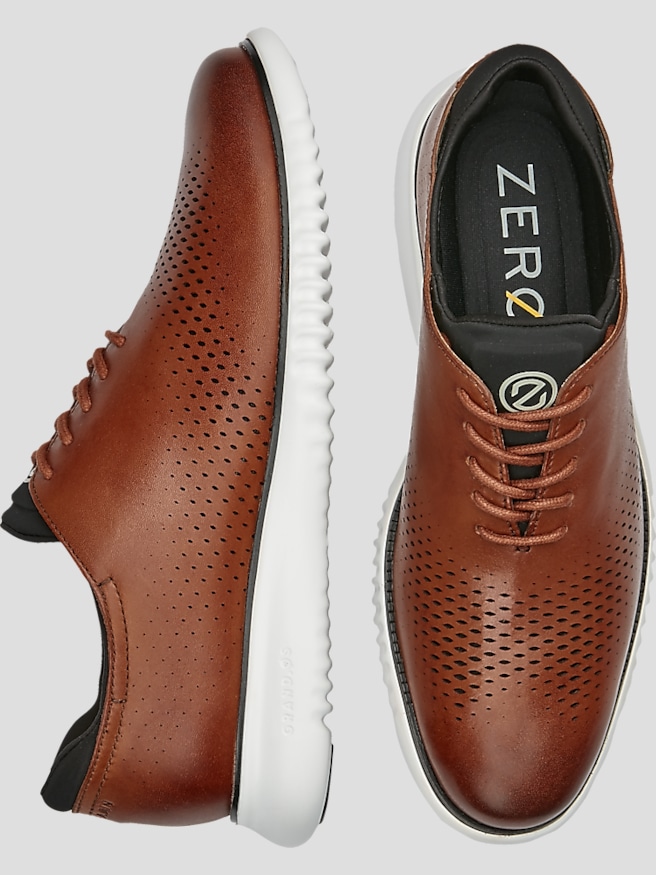
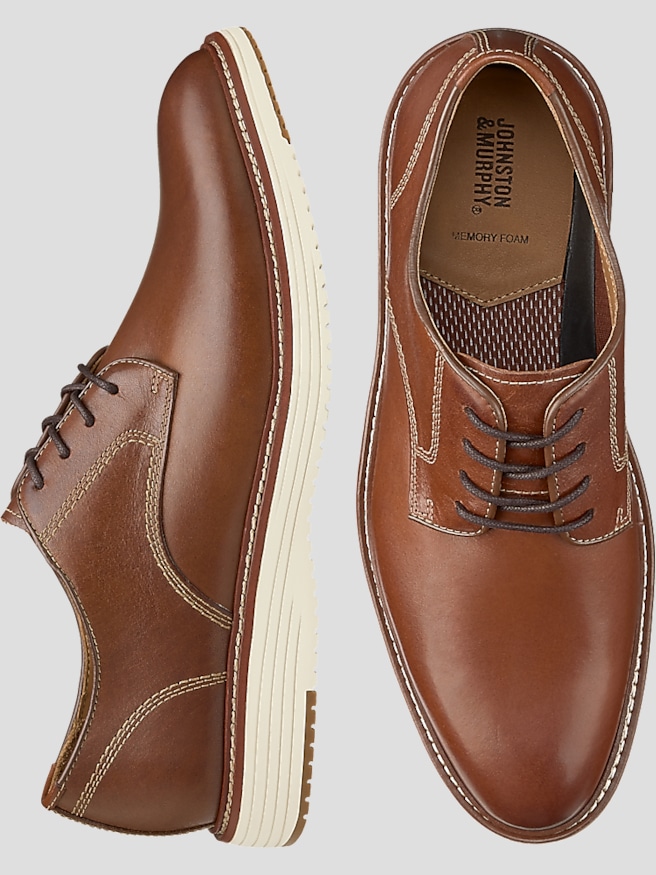
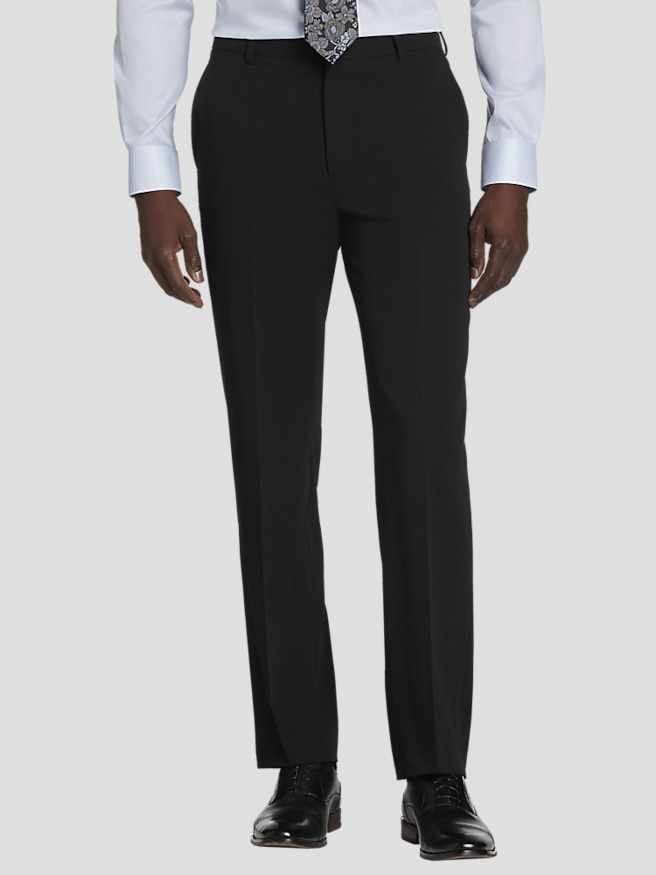
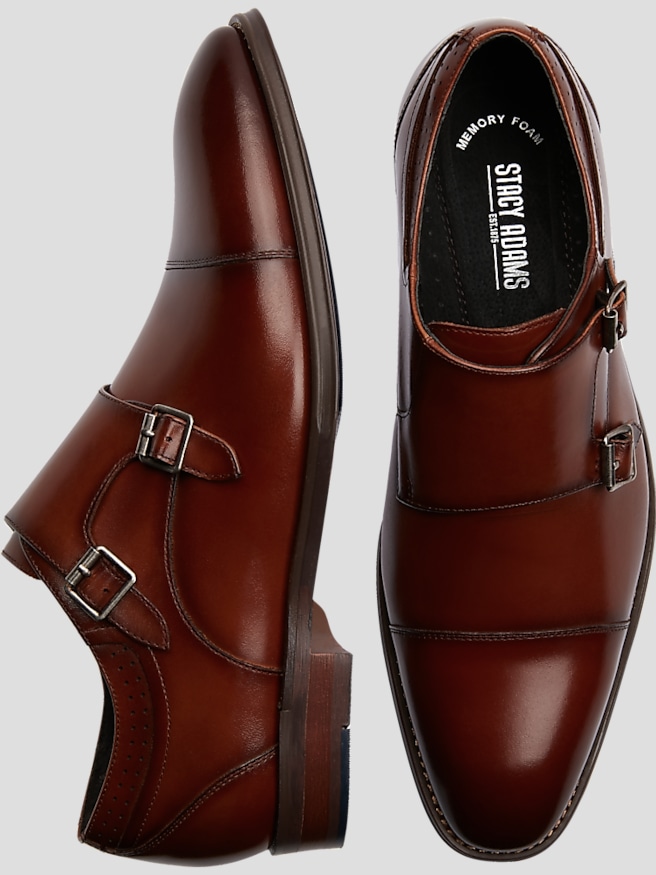
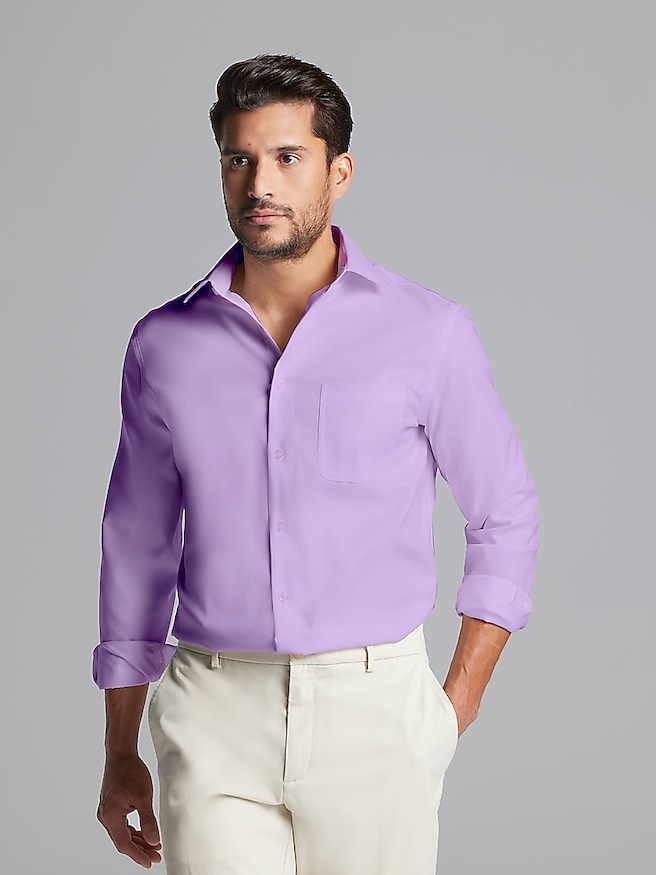
Office party dress shoes bring together professional polish, a little occasion-worthy character, and the comfort needed for an evening that may start at a desk and end on a dance floor. For men attending a team dinner, a year-end reception, or a celebration with clients, the right footwear feels connected to both the workplace and the setting. Smooth leather oxfords have a clean, close-fitting lacing design that complements tailored suits and more formal dress codes. Derbies, with their open lacing, offer a slightly more relaxed appearance and some flexibility when adjusting the fit over the top of the foot. Loafers work well for gatherings where a sport coat and dress trousers feel more appropriate than a full suit, while restrained brogue detailing adds texture without making the shoes the loudest part of an outfit. Black leather is a natural companion to charcoal tailoring and evening attire; dark brown brings warmth to navy, gray, and earth-toned fabrics. Burgundy can add depth while remaining understated, especially when the rest of the clothing is simple. For a black-tie office event, sleek black formal footwear, including patent leather styles, fits the occasion more closely than casual loafers or heavily detailed lace-ups. The level of shine matters as much as the color: a softly polished finish feels at home in a restaurant or meeting space, while a high-gloss surface has a more ceremonial character. Shape also affects the overall impression. A rounded or gently tapered toe typically sits comfortably beneath tailored trouser hems without appearing overly bulky or sharply elongated. Paired with an office party dress shirt, well-proportioned shoes help an outfit move naturally from the last afternoon meeting to an evening toast. The most useful choices reflect the actual occasion rather than simply looking more formal: a seated dinner calls for a somewhat different balance than a standing reception, and a familiar office gathering leaves more room for personality than an event with a strict dress code.
Materials and construction influence how office party dress shoes look, flex, and feel after several hours of wear. Smooth leather can develop a pleasing patina with regular care, while suede offers a softer, more textured finish that pairs especially well with flannel trousers and other cooler-weather fabrics. Suede generally suits relaxed business celebrations better than highly formal evenings, and its nap needs protection from moisture and careful brushing to stay even. Patent leather provides a distinctive gloss but requires care appropriate to its coated surface rather than the same conditioning routine used for smooth leather. Linings, seams, and the shape of the footbed deserve attention alongside the upper material, particularly when shoes will stay on from the morning commute through the final conversation of the evening. Cushioning can soften the feel underfoot, but a soft footbed cannot make up for a shoe that is too narrow, too short, or loose at the heel. A comfortable fit leaves room for the toes to rest naturally, holds the heel securely without rubbing, and feels snug rather than restrictive across the instep. Trying dress shoes with the socks intended for the event gives a more realistic sense of space, especially when thicker socks enter the rotation during cooler weather. Feet may also feel fuller later in the day, making an afternoon fitting useful for footwear intended for evening wear. Lace-ups allow small adjustments as the evening progresses, whereas loafers depend more heavily on the right initial fit through the heel and instep. Sole design adds another practical consideration. Leather soles offer a traditional appearance and can feel flexible once worn in, while rubber soles or rubber inserts may provide more traction on smooth floors and damp sidewalks, depending on the tread. Neither a dressy appearance nor a cushioned interior guarantees comfort for every foot. Someone moving between tables, climbing stairs to a rooftop venue, or standing through a long reception may value secure footing and familiar support more than a particularly slim silhouette.
The lasting appeal of dress shoes comes from their usefulness beyond a single office celebration. A restrained leather pair can serve for presentations, weddings, graduation dinners, and other occasions that call for clothing with a tailored finish. That versatility also makes dress shoes a thoughtful gift for someone starting a professional role, marking a career milestone, or building a wardrobe for more frequent formal events, provided the recipient’s size, width, and style preferences are known. Durability depends on the materials, construction, fit, and maintenance rather than appearance alone. Secure stitching, neatly finished edges, and soles suited to the intended use are practical details worth considering. Some stitched constructions can accommodate resoling by a qualified shoe repair professional, although repair options vary with the design and condition of the shoe. Even sturdy dress footwear benefits from time between wears so the interior can dry fully. Cedar shoe trees can help absorb residual moisture and support the shape, while a shoehorn reduces repeated pressure on the heel counter when putting shoes on. Smooth leather generally responds well to gentle cleaning, occasional conditioning with a compatible product, and polish appropriate to the color and finish; testing any treatment in an inconspicuous area helps avoid unwanted changes. Suede needs its own brush and suitable care products, and glossy coated finishes should be cleaned according to the maker’s instructions. If shoes become wet on the way to an event, allowing them to dry at room temperature away from direct heat helps protect their shape and materials. A little preparation also makes the evening easier: wearing new shoes for short indoor periods can reveal pressure points before a lengthy gathering, and checking the soles and heel tips helps catch wear that might affect footing. With considered proportions, suitable materials, and a secure fit, office party dress shoes become dependable finishing pieces rather than something to think about all evening. They look composed beneath a conference table, feel appropriate beside a dressed-up dinner setting, and support a wardrobe that needs to work well after business hours.