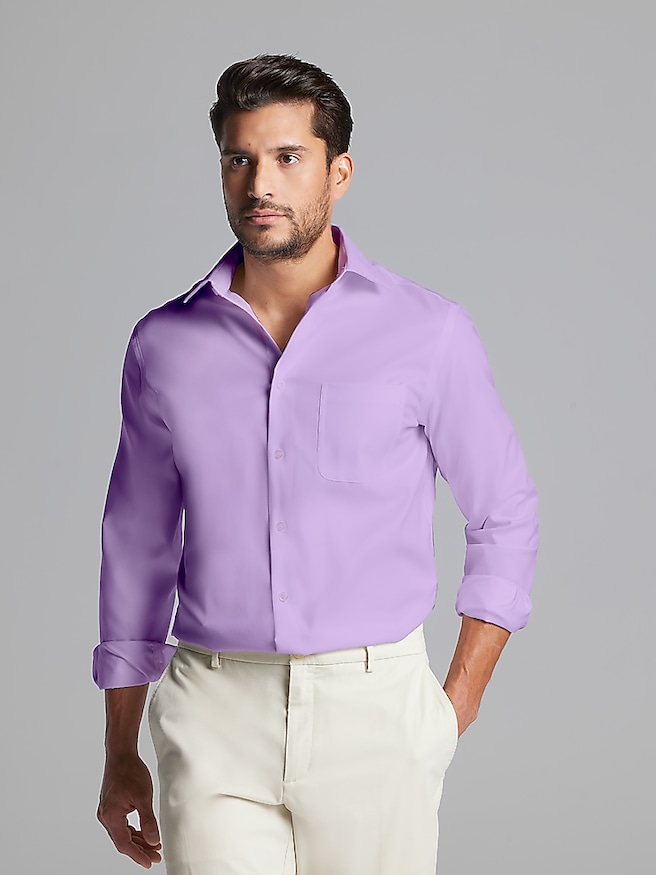
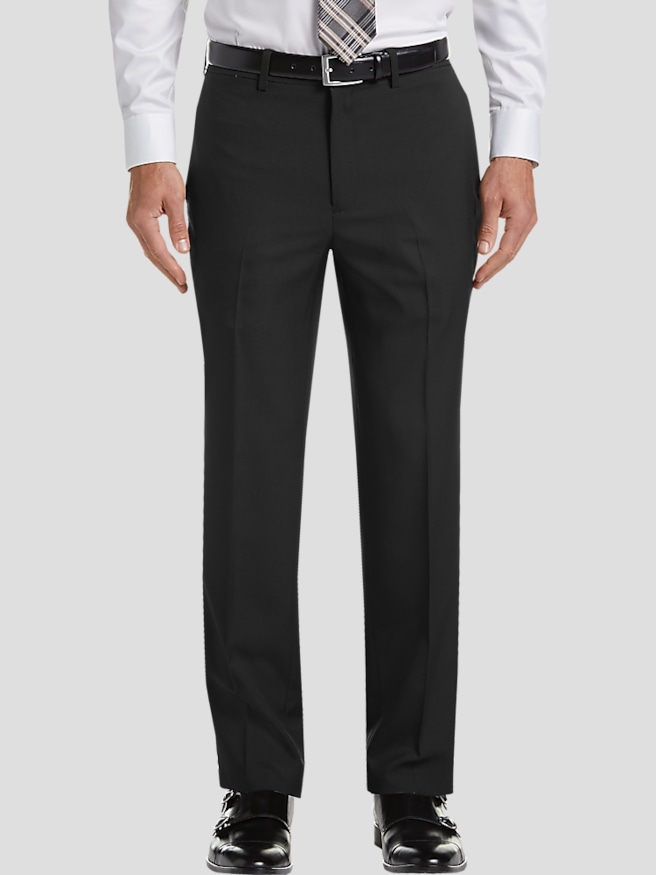
Office party dress pants bring the structure of business clothing to receptions, team dinners, and celebrations that call for something more polished than everyday casual wear. A good pair has a clean line through the leg, a comfortable waistband, and fabric that hangs smoothly whether the occasion involves a seated meal or several hours of conversation. The effect should feel dressed for the event without looking disconnected from the workplace. Navy, charcoal, and medium gray are versatile foundations because they coordinate easily with dress shirts, sport coats, and leather shoes. Black creates a sharper evening impression, especially with a crisp white shirt, while a subtle windowpane or tonal check adds interest without dominating the outfit. Texture can provide just as much character as pattern: a fine twill or lightly textured wool can look understated across a conference room and more distinctive under restaurant lighting. For an informal gathering at the office, tailored trousers with an open-collar shirt can strike the right balance between relaxed and professional. A dinner with clients or a reception in a hotel dining room may call for a jacket and tie, depending on the invitation. Dress pants are not interchangeable with every level of formalwear, however; an event specifying black tie generally calls for a tuxedo rather than ordinary trousers and a blazer. Within business casual and cocktail settings, proportion and coordination matter more than conspicuous details. A smooth trouser front gives a patterned shirt room to stand out, while checked pants usually look more composed with a solid shirt and a restrained jacket. These combinations also make office party dress pants useful beyond a single celebration. The same understated pair can work for presentations, business dinners, and other occasions when denim feels too casual but a full suit is not required.
Fabric and fit determine how dress pants feel through the less photogenic parts of an event: sitting through speeches, reaching across a table, or standing with a plate while talking to colleagues. Wool is valued for its drape, breathability, and natural resilience, making it a practical choice for trousers intended to look polished through extended wear. Wool blends can combine that tailored appearance with other characteristics, such as added strength or easier maintenance, depending on the fibers and construction. Polyester blends often offer wrinkle resistance, while a small amount of elastane can provide useful give when sitting or moving. Stretch should support a comfortable fit rather than compensate for pants that are too tight. Cotton twill has a more relaxed character and can suit a casual office celebration, though it generally develops more visible creasing than many wool or synthetic blends. Fabric weight, weave, and finish also influence appearance; a smooth, matte surface tends to coordinate more easily with business clothing than a pronounced sheen. Fit is equally specific. Slim-fit dress pants follow the body more closely, tailored fits offer a shaped silhouette with some room, and classic fits generally provide more space through the seat and thigh, although these labels vary by maker. A well-fitting waistband stays in place without a belt being pulled tight, pockets lie flat, and the seat remains smooth rather than pulling into horizontal lines. Pleated fronts can provide additional room through the upper leg when properly fitted, while flat fronts offer a simpler appearance. Neither should pull open or strain when seated. The rise should feel comfortable with a tucked-in shirt, and the hem should work with the shoes intended for the occasion. A slight break gives the trouser leg a traditional finish; little or no break creates a cleaner, shorter line. Excess fabric pooling at the ankle can make otherwise polished pants look unfinished. Trying trousers while seated, walking, and wearing the intended footwear reveals more about their fit than standing still in front of a mirror.
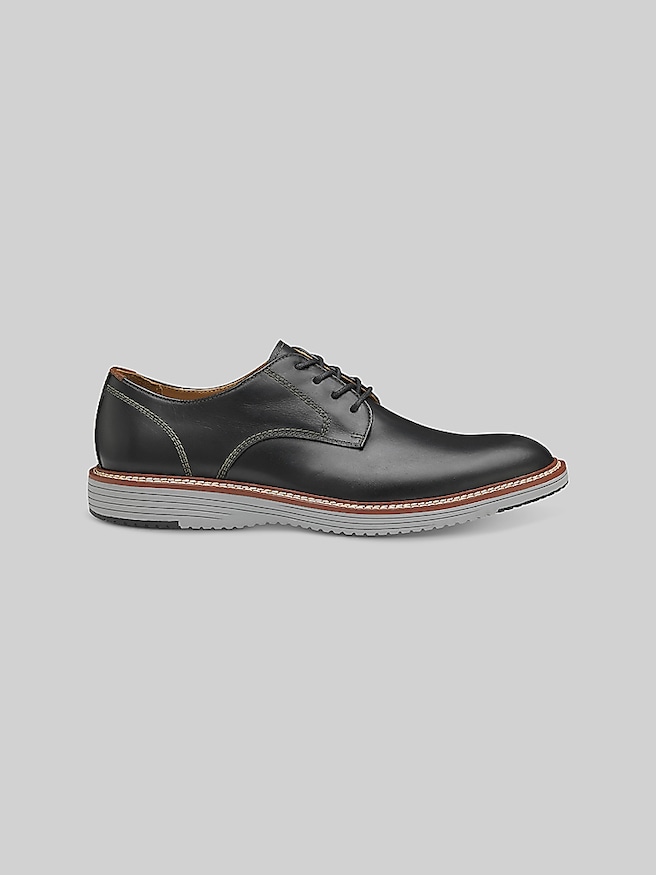
The finishing details help office party dress pants move naturally from a work setting to a social one. A neatly tucked dress shirt keeps the waistband visible and the proportions defined, while a fine-gauge knit under a sport coat can feel less formal without becoming careless. A leather belt should sit flat and relate to the shoes in color and overall formality, though an exact match is not essential. Smooth leather footwear generally looks dressier than heavily textured or rugged styles; browsing Office Party Dress Shoes can help connect the trouser silhouette with an appropriate finishing touch. A tapered leg often pairs well with a relatively streamlined shoe, while a fuller trouser leg can accommodate a shoe with more visual weight. Socks long enough to cover the leg when seated maintain a continuous line, especially when their color relates to the pants. Keeping keys, a phone, and a wallet from overfilling the pockets also preserves the shape of the trousers. Long-term appearance depends on care as much as styling. The care label should determine whether pants are machine washable, hand washable, or intended for professional cleaning; similar-looking fabrics can require very different treatment. Hanging trousers promptly after wear helps limit creasing, and allowing them to rest between outings gives the fabric time to recover. A garment brush can lift surface lint from suitable wool fabrics, while pressing should follow the label and use an appropriate temperature and pressing cloth to avoid shine or scorching. Stains deserve prompt attention using a method appropriate to the fabric rather than vigorous rubbing. Durable dress pants also benefit from sound seams, secure closures, and enough ease to prevent constant strain at the seat and pockets. With thoughtful fit and consistent care, they can remain a dependable part of a professional wardrobe, ready for both an ordinary workday and the invitation that follows it.