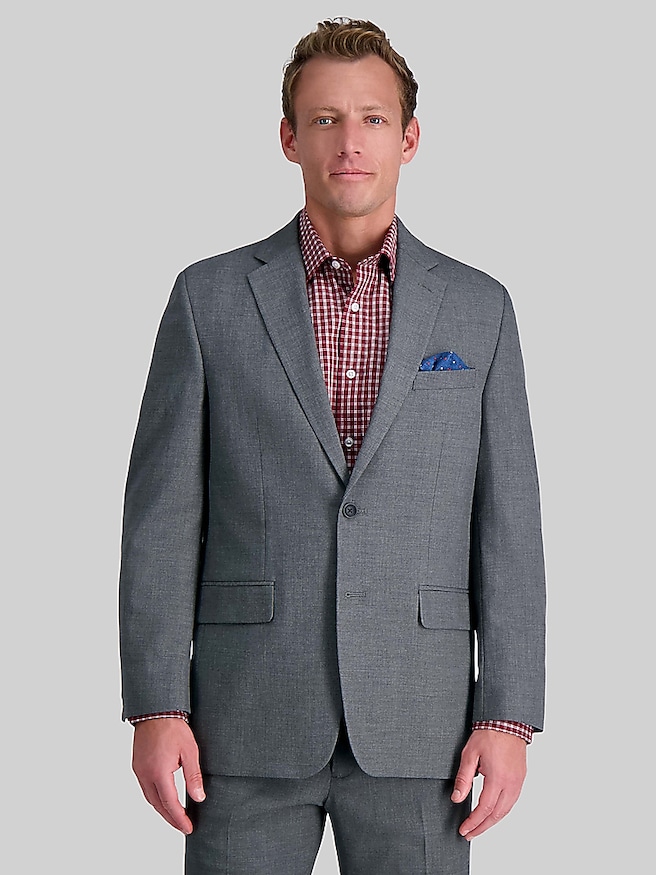
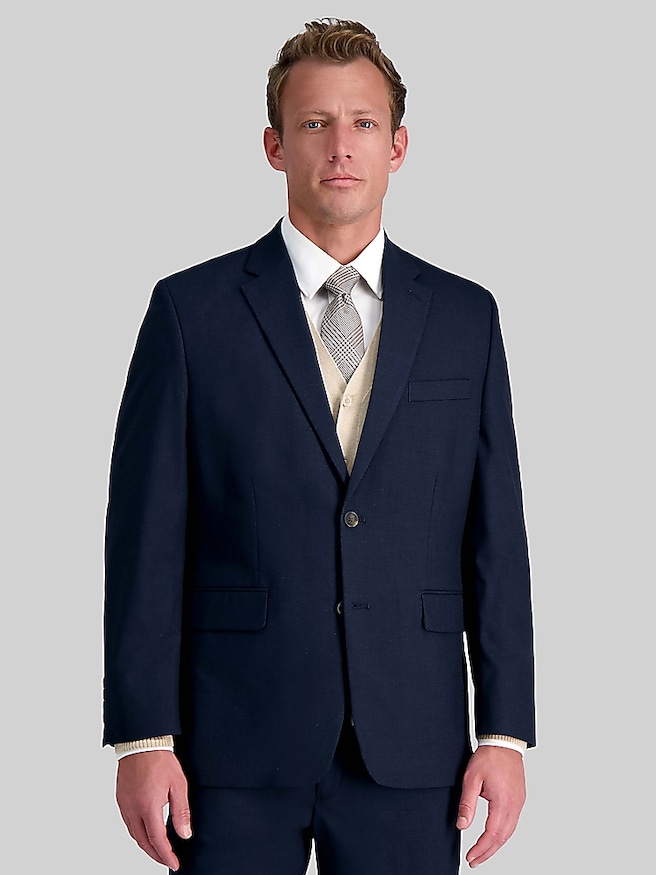
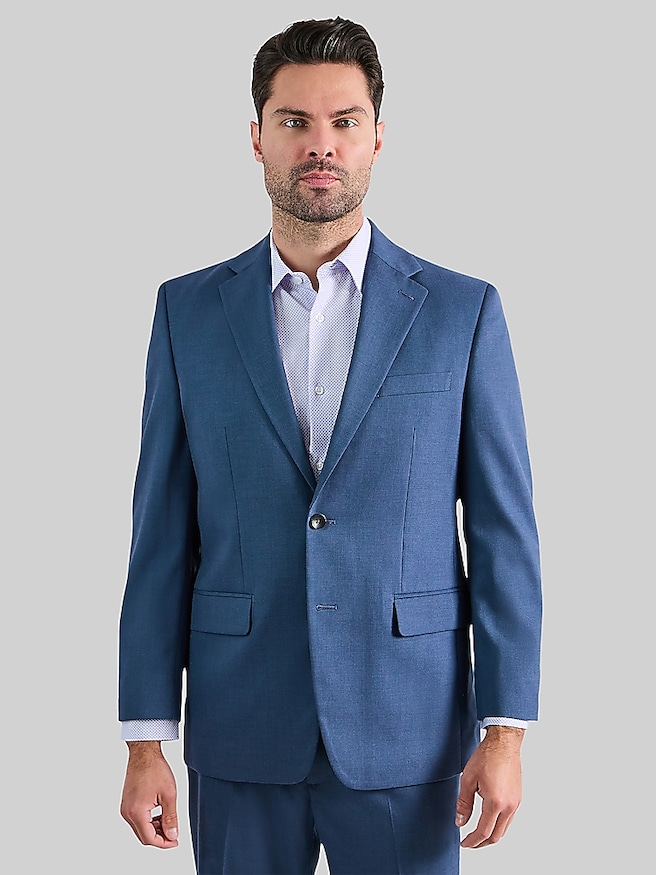
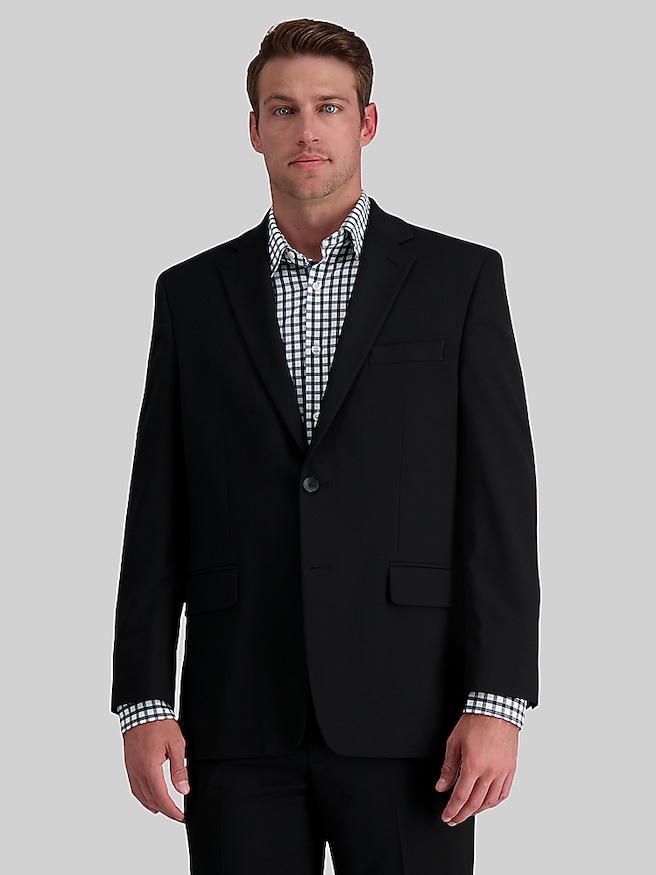
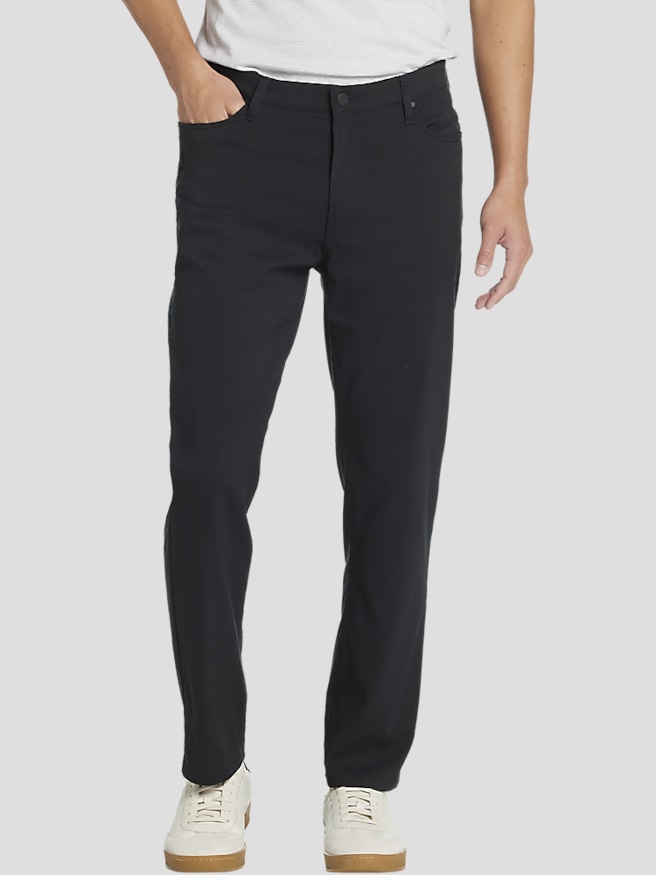
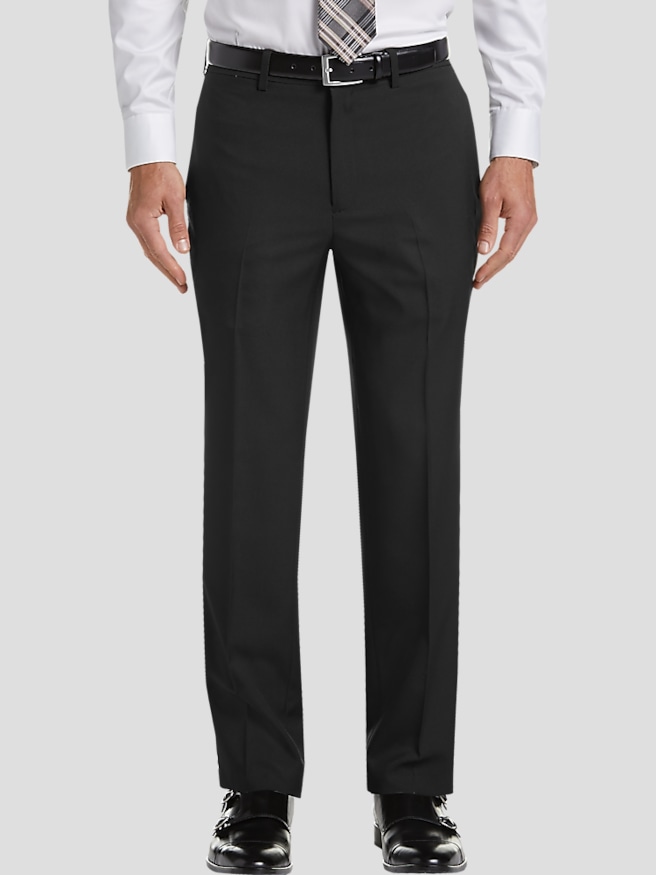
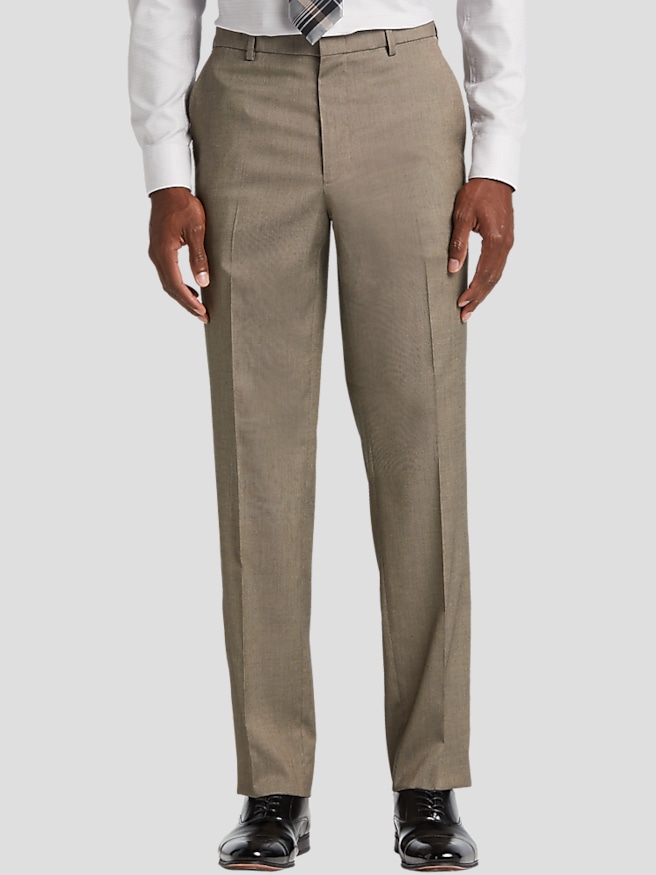
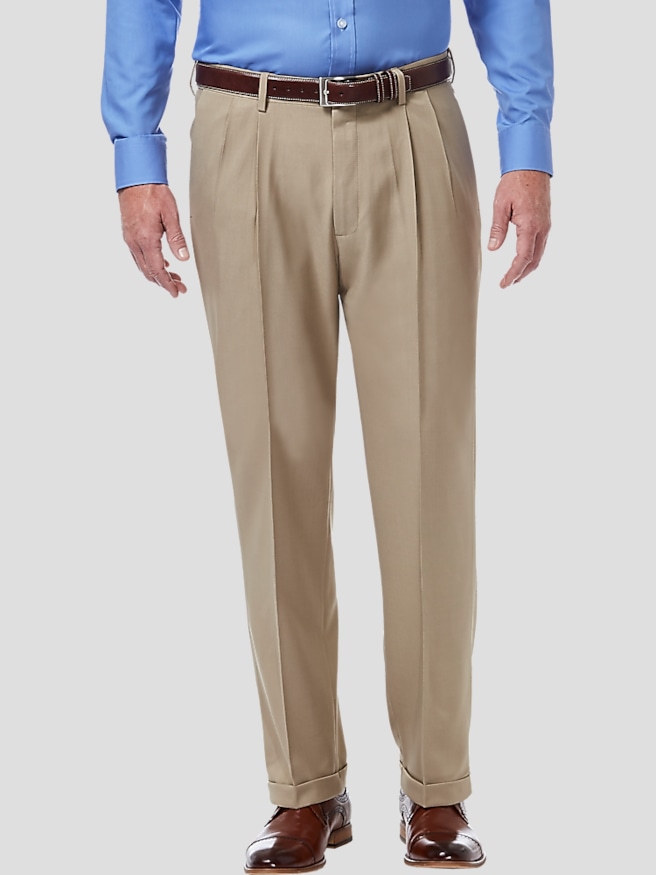
Non-stretch pants offer the traditional structure many men look for in a dependable wardrobe staple. Made without elastic fibers such as spandex or elastane, these pants hold their shape through the day and create a clean, defined silhouette from the waistband to the hem. Common fabrics include 100% cotton, rigid denim, cotton twill, and wool or wool-blend suiting fabrics, each bringing a distinct look and feel. Rigid denim has a substantial, authentic character that softens and molds to the wearer over time, while cotton chinos and trousers provide a crisp finish that works well for office dressing, dinners, travel, and everyday occasions. Wool pants bring a refined texture and natural warmth during the cooler months, making them a practical choice for professional wardrobes and formal events. Because the fabric is woven without stretch, non-stretch pants generally feel more structured than flexible alternatives and are especially well suited to traditional straight-leg, relaxed, or tailored fits. They are designed to maintain a neat appearance rather than conform closely to every movement, which can be valuable when a polished outline matters. A well-chosen pair may start with a firmer hand and become more comfortable with regular wear, much like a leather belt or a favorite pair of shoes that gradually takes on the character of its owner.
When choosing non-stretch pants, start with the intended setting, fabric weight, rise, and fit. A mid- or high-rise waistband can provide a secure, classic feel, while a lower rise may create a more contemporary profile. Straight-leg pants offer balanced proportions and pair easily with casual shirts, sweaters, sport coats, and dress shoes. Relaxed fits leave more room through the seat and thigh, which can be useful for movement, layered outfits, or anyone who prefers a less restrictive shape. Tailored fits sit closer to the body and can sharpen an outfit for the office, celebrations, or evenings out, though accurate measurements are particularly important when the fabric has no give. Pay attention to the waistband, seat, thigh, knee, and hem, since a rigid material will not compensate for a poor fit in the way stretch fabric can. If you typically wear flexible trousers, you may prefer trying a slightly roomier cut or allowing a brief break-in period. For a comparison with fabrics designed to offer added flexibility, explore Stretch Fabric Pants. Color also plays a role in versatility: dark indigo and charcoal create a more polished impression, medium blue and khaki suit everyday wear, and earth tones complement the layered textures that become popular as the weather cools. Look for durable stitching, secure belt loops, a smooth zipper or button closure, and pockets that lie flat without pulling. Heavier woven fabrics can be especially dependable for frequent wear, and because they lack elastic fibers that may lose resilience over time, they can retain a crisp, substantial feel across many seasons when cared for properly.
Non-stretch pants can serve as the foundation for outfits that need to move between settings without looking overdone. Pair rigid denim with a flannel or oxford shirt and sturdy boots for a relaxed weekend look, or dress it up with a fine-gauge sweater, leather shoes, and a structured jacket. Cotton chinos can shift easily from a casual workplace to dinner with a change of shirt and footwear, while wool trousers bring quiet sophistication to a blazer, dress shirt, or knit layer. During the cooler months, the firm weave of these pants works naturally with heavier overshirts, quilted jackets, wool coats, and textured sweaters; indoors, their clean lines keep layered outfits from appearing bulky. They can also make a thoughtful gift for a father, partner, son, graduate, or colleague who appreciates classic clothing and lasting construction. For gifting, consider the recipient’s usual waistband size, preferred rise, favorite colors, and typical dress code, then choose a versatile shade and familiar leg shape when details are uncertain. Non-stretch pants are often a particularly good choice for someone building a first professional wardrobe, refreshing everyday essentials, or replacing worn trousers with pieces that feel more substantial. Care instructions vary by fabric, but washing denim and cotton pants inside out, using cool water, and avoiding excessive heat can help protect color and shape; wool trousers generally benefit from careful cleaning and proper storage. Hang pants by the waistband or use a sturdy trouser hanger, and allow them to air between wears so the fabric can settle naturally. With the right fit and care, non-stretch pants offer the satisfying feel of a well-made garment: structured enough for a sharp appearance, durable enough for regular use, and versatile enough to become part of the wearer’s everyday rhythm.