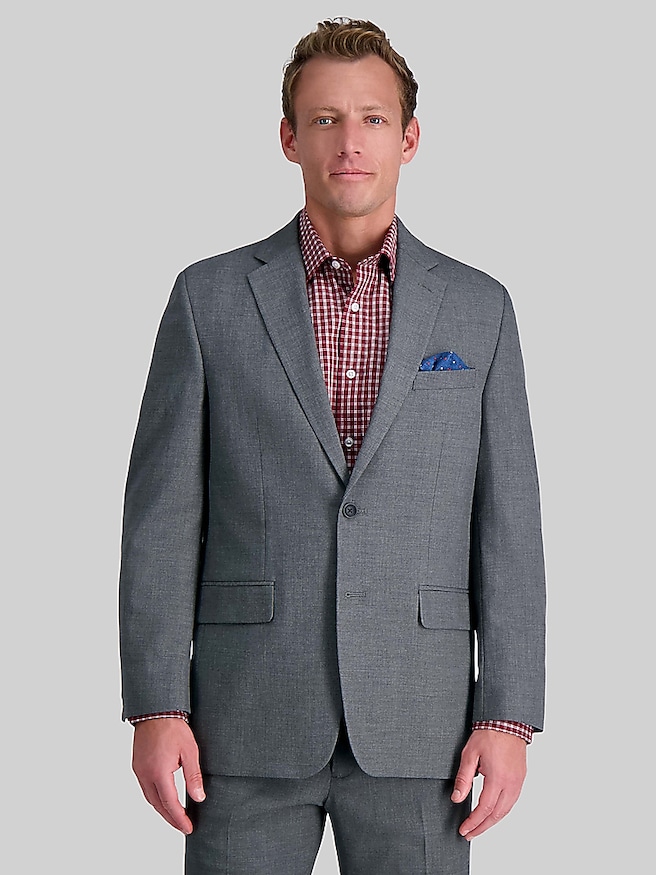
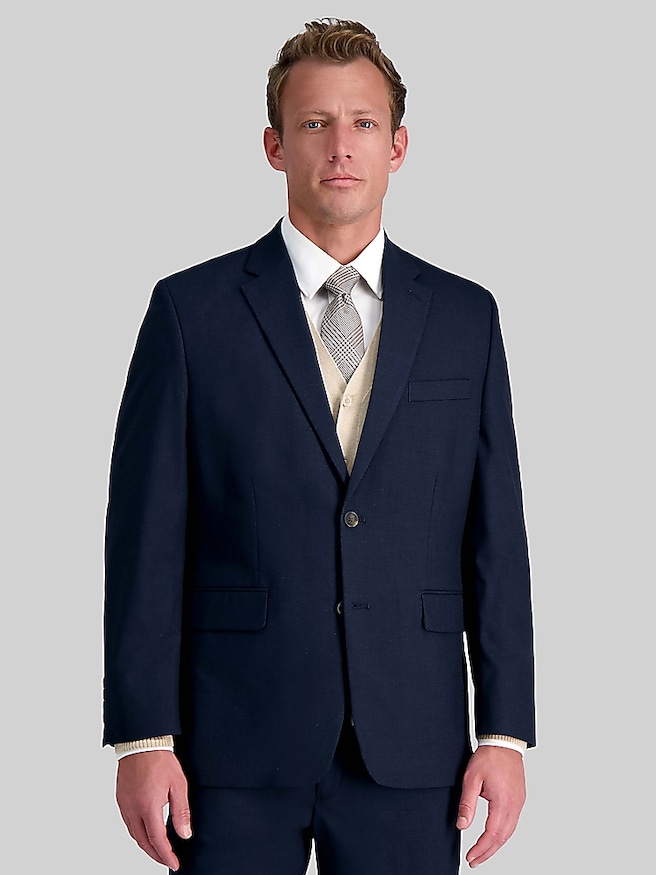
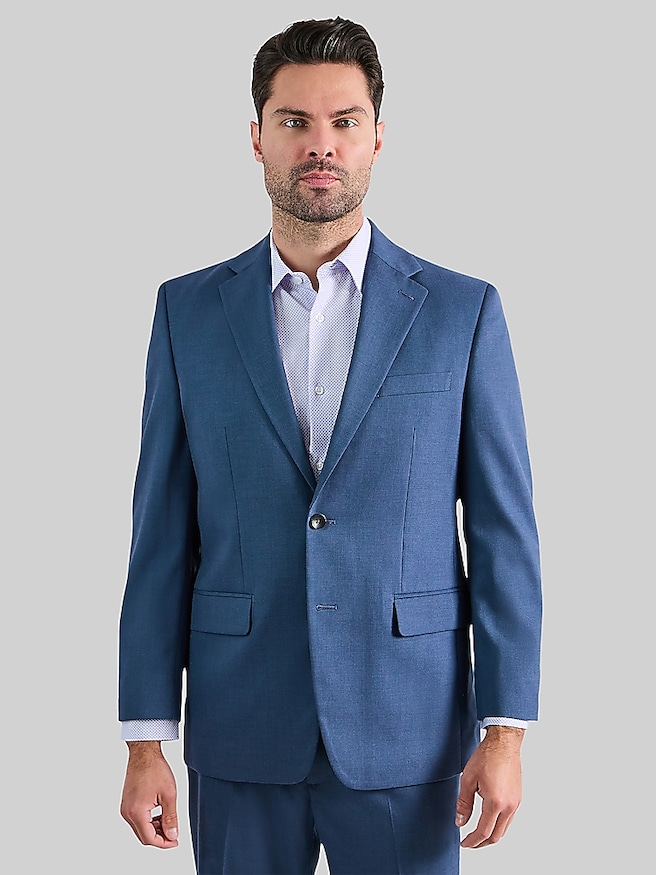
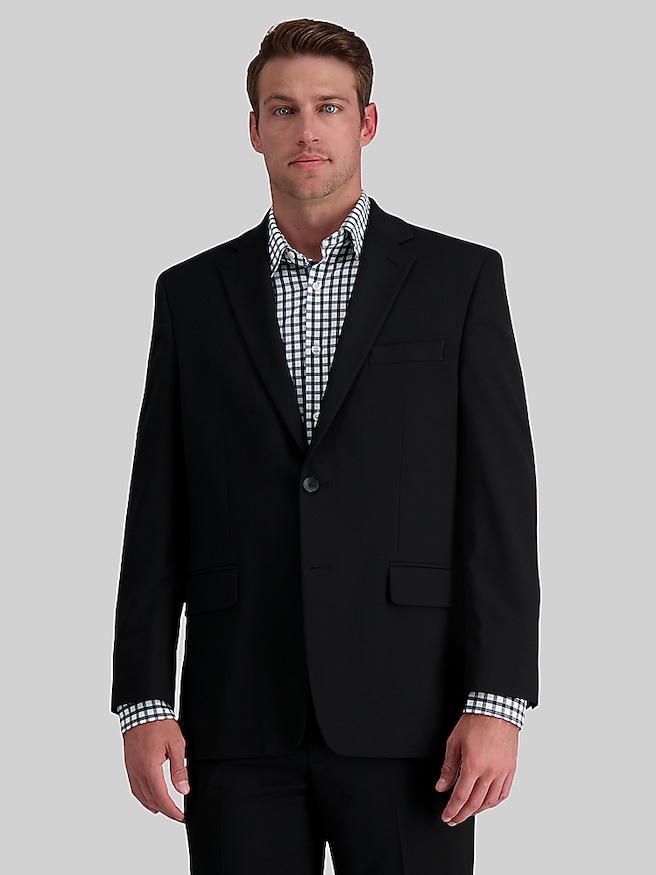
Non-iron suits are designed for men who want a polished, dependable look without spending every morning at an ironing board. Made with treated wool, performance fibers, or synthetic blends, these suits resist creasing and help fabric recover its shape after sitting, commuting, or traveling. That makes them especially useful for busy workdays, business trips, conferences, weddings, and other occasions when a jacket and trousers need to look composed from morning through evening. A non-iron suit can be a practical choice for the professional who moves between the office, an airport, and a dinner reservation, as well as for anyone building a versatile wardrobe with less day-to-day maintenance. Many styles also include stretch for easier movement, which can make a noticeable difference when climbing stairs, reaching for a briefcase, or remaining seated through a long meeting. Look for a fit that follows the natural lines of the shoulders and chest without pulling across the button closure, then pay attention to the trouser rise, break, and waistband comfort. A clean fit does much of the work in creating a sharp appearance; wrinkle resistance simply helps preserve it. For a classic wardrobe, versatile shades such as navy, charcoal, and medium gray can move easily from business settings to celebrations, while subtle patterns or seasonal colors can add personality without limiting the suit’s usefulness. During the cooler months, a non-iron suit can serve as a reliable foundation beneath a wool coat or topcoat, while lighter construction and breathable fabric blends remain comfortable indoors when heating is turned up. When comparing options, consider the fabric weight, lining, stretch, pocket design, and overall construction alongside the wrinkle-resistant finish. A suit that feels comfortable at the fitting room mirror will be more likely to become the one you reach for when the calendar fills with presentations, ceremonies, dinners, and travel.
The greatest advantage of a non-iron suit is often the confidence that comes from knowing it can handle real life. Picture a jacket folded carefully into a garment bag before an early departure, then brought out at the hotel several hours later: it may need a little time on a hanger, but it is far less likely to look sharply rumpled than a conventional suit. After wearing it, place the jacket on a wide, sturdy hanger so the shoulders retain their shape, and give the trousers room to hang naturally. Minor creases often relax as the fabric settles. If a stubborn travel crease remains, a handheld steamer can be a gentler option than pressing directly with an iron, particularly on performance materials or treated wool blends. Hold the steamer slightly away from the fabric, move it steadily, and allow the garment to dry fully before putting it on. Non-iron does not mean maintenance-free, and care labels should always guide cleaning and storage. Many wrinkle-resistant suits still call for professional dry cleaning rather than machine washing, while some may benefit from occasional spot cleaning and careful airing between wears. Avoid overloading pockets, since wallets, phones, and keys can distort the jacket front and create unnecessary strain around seams. A breathable garment bag is useful for protecting the suit in a closet or during transport, and folding should be limited to travel when hanging is not practical. These simple habits help preserve the finish, drape, and shape that make a low-maintenance suit valuable. For shoppers who prefer an especially easy wardrobe routine, explore the No Wrinkle Suit selection for styles made with wrinkle resistance in mind.
A non-iron suit can also make a thoughtful gift for a recent graduate, a new professional, a frequent traveler, or someone preparing for a series of formal occasions. It is a useful wardrobe investment for a man beginning his first office role, interviewing for a new position, attending a family wedding, or looking for one dependable outfit that can adapt across seasons. When giving a suit as a gift, fit is the most important consideration, so measurements, preferred cut, and tailoring options are worth keeping in mind. A traditional fit may offer more room through the chest and waist, while a modern or slim fit creates a closer silhouette; neither is inherently better, and comfort should remain part of the decision. Suit separates can be helpful when jacket and trouser proportions differ, allowing a more precise fit and making it easier to build multiple outfits from the same wardrobe. A non-iron jacket may be paired with coordinating trousers for a complete suit, or worn separately with chinos or dress trousers when the occasion calls for a more relaxed appearance. Add a dress shirt, polished leather shoes, and a restrained tie for a formal setting, then remove the tie or change the shirt for a business-casual event. As the weather shifts from mild days to cooler evenings, layering with a fine-knit sweater, overcoat, or patterned scarf can add warmth without taking away from the clean lines of the suit. Whether chosen for everyday work, a destination ceremony, a milestone celebration, or a man who simply values clothing that keeps pace with a full schedule, non-iron tailoring offers a practical balance of polish, comfort, and easier care. Proper fit, thoughtful fabric selection, and consistent storage will help the suit remain ready for the next important meeting or memorable gathering.