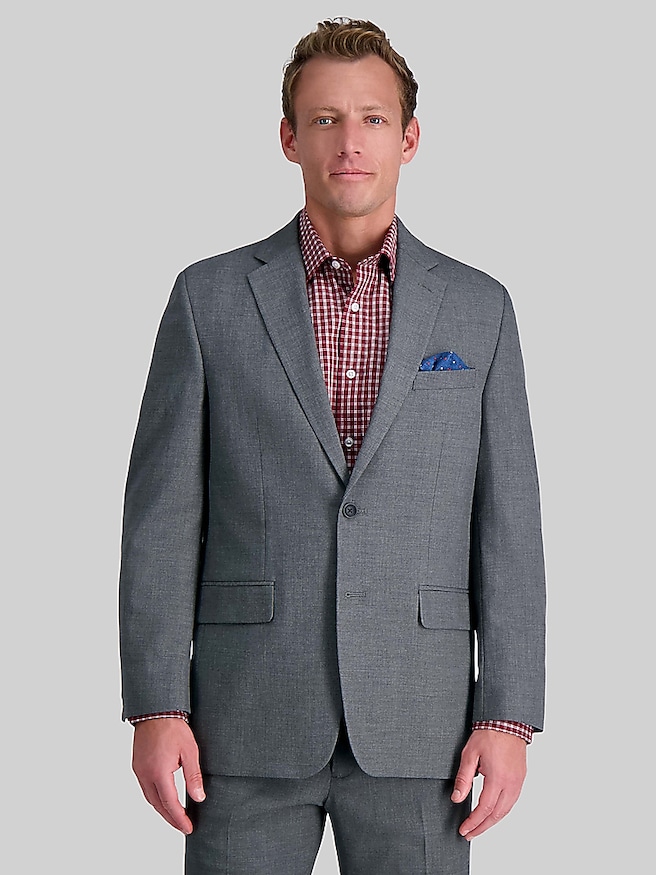
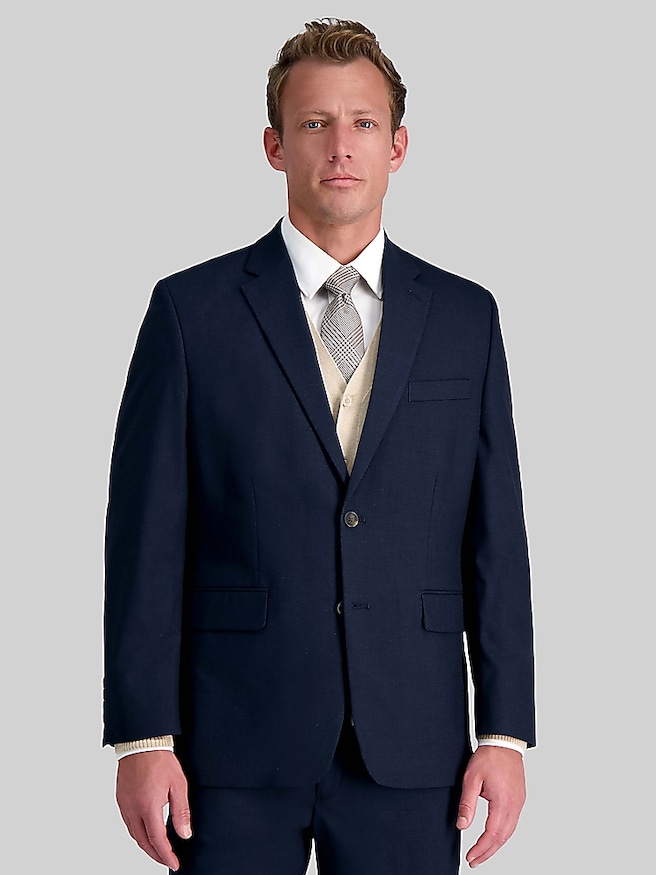
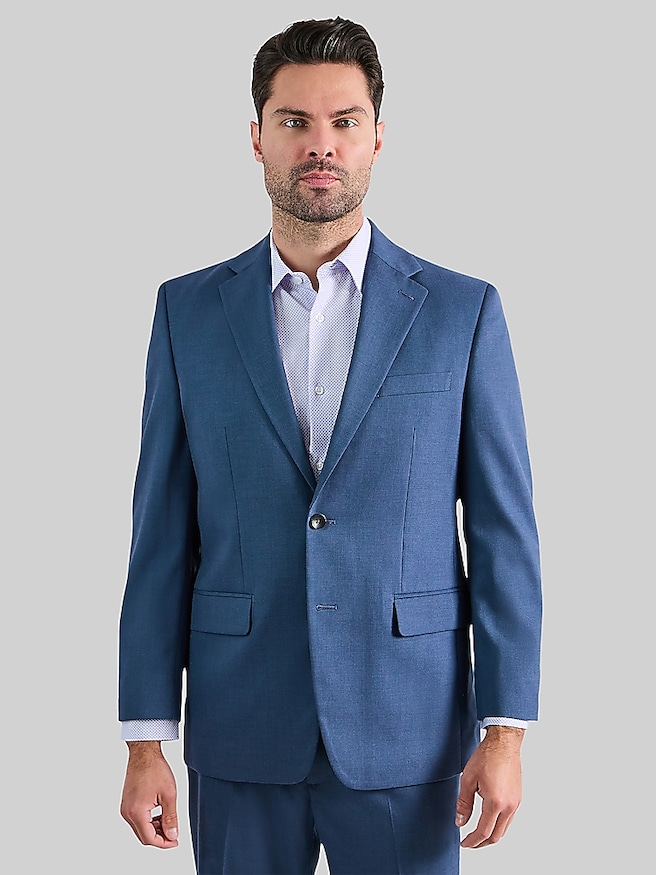
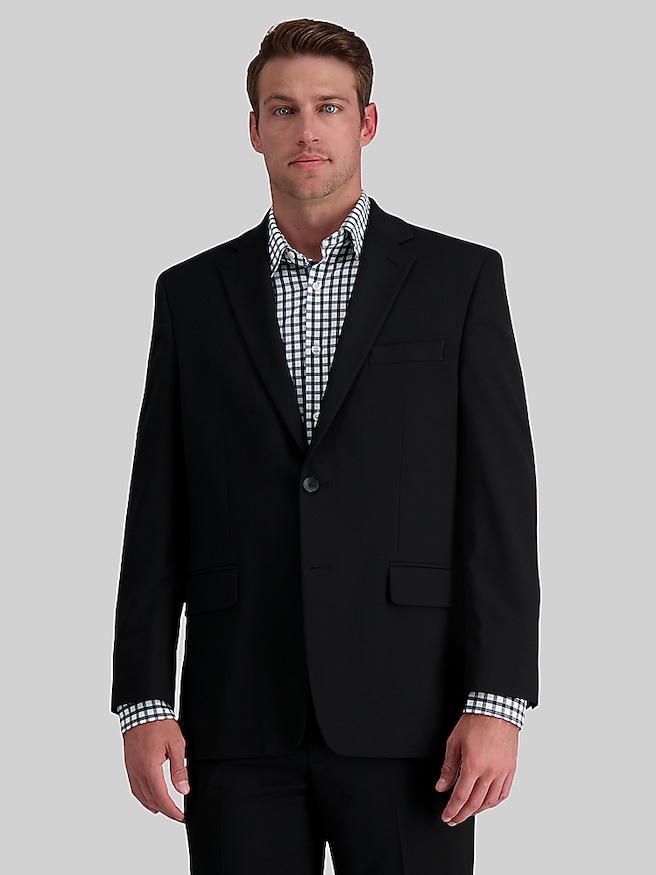
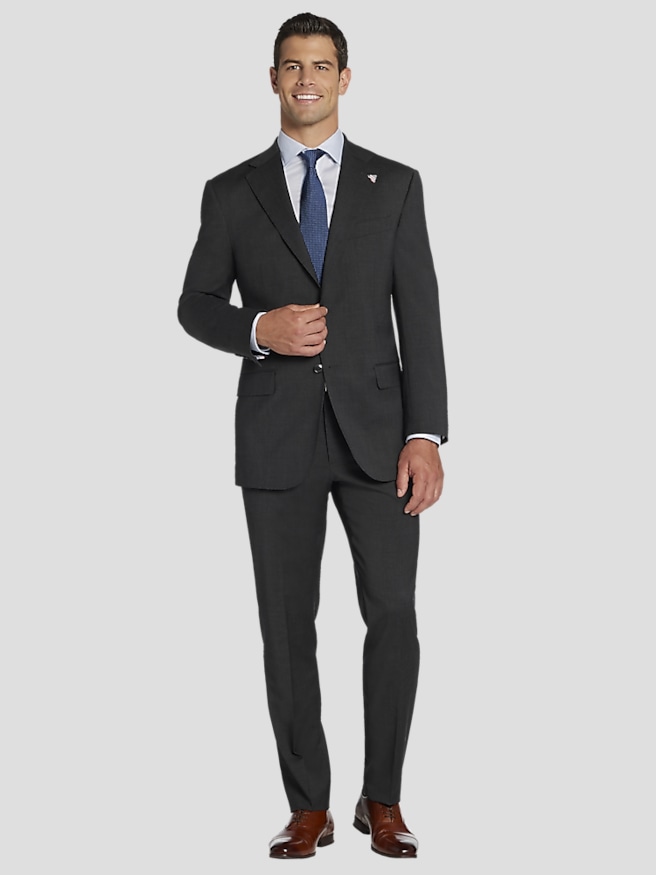
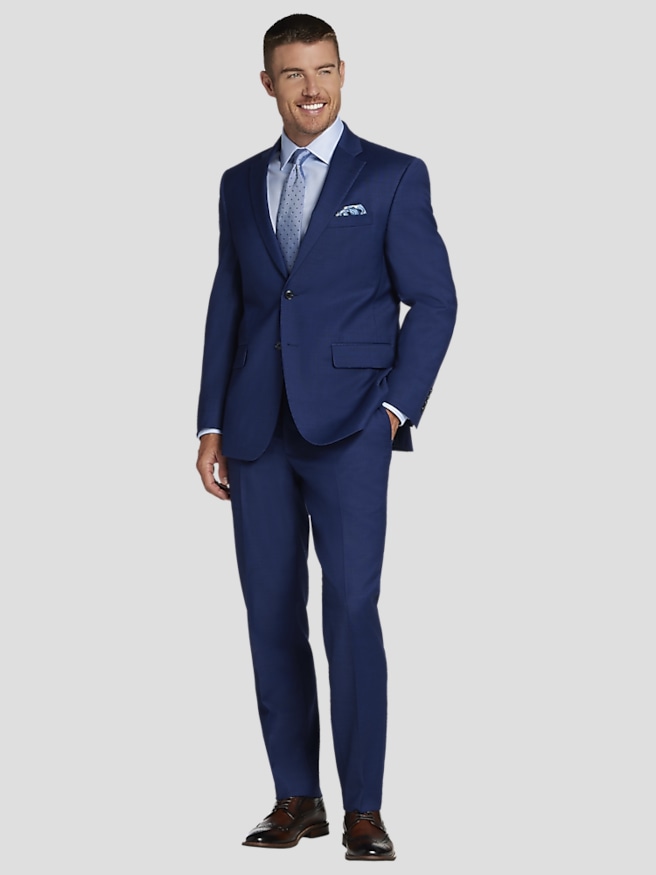
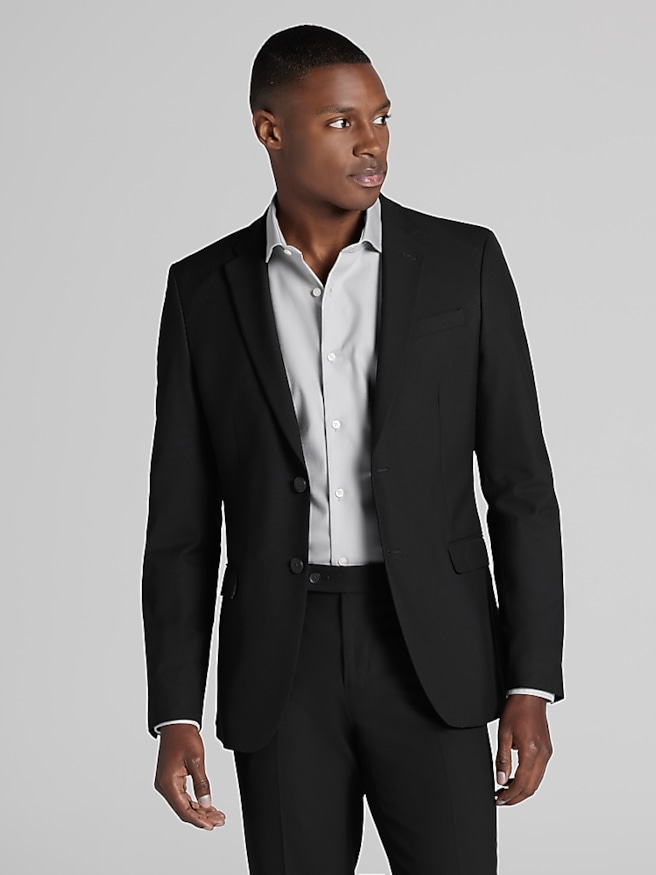
Neutral jackets are versatile layers in understated colors such as beige, tan, taupe, gray, navy, and black, chosen for their ability to coordinate with a wide range of clothing. Their appeal comes from the balance they bring to an outfit: a soft beige jacket can lighten the look of dark trousers, while charcoal adds definition to a white shirt and medium-wash denim. Rather than competing with everything underneath, these shades create a consistent foundation for texture, pattern, and personal style. Neutral does not have to mean plain. A brushed surface, a subtle woven pattern, contrast stitching, or a well-shaped collar can give a jacket character without making it difficult to wear again with something else. The silhouette matters just as much as the color. Unstructured shapes tend to feel relaxed, clean zip-front designs create a streamlined profile, and tailored jackets bring sharper lines to outfits for business-casual offices, dinners, and celebrations with a relaxed dress code. A tan jacket over a navy knit shirt and dark jeans has an easy balance that works for a restaurant reservation or an afternoon gathering. A gray jacket with a fine-textured shirt and straight-leg trousers looks more composed without requiring a matching suit. Black creates a strong tonal look with black pants, especially when the fabrics have slightly different finishes so the separate layers remain visible. For combinations built around earth tones, taupe can bridge cream, brown, and muted green, though its undertone may lean warmer or cooler depending on the fabric. Repeating one color elsewhere in the outfit, perhaps through footwear or a belt, helps the combination feel connected without making every element match. The broader Style Jackets collection offers another way to explore jacket silhouettes alongside a preference for understated color. The lasting value of a neutral palette is its flexibility: the same jacket can support a patterned shirt one day and a simple solid tee the next, with the overall impression shaped by the pieces around it.
Fabric and construction give neutral jackets much of their individual character, particularly when color is deliberately restrained. Cotton twill often has a recognizable diagonal weave and a substantial, casual feel, while cotton blends can offer a smoother surface or added flexibility depending on their composition. Wool and wool-blend fabrics can provide a refined drape, with brushed or textured finishes that soften the appearance of a tailored shape. Linen has a distinctive surface and naturally relaxed creasing; blends may temper that effect, though the exact behavior depends on the fibers and weave. Synthetic fibers can contribute abrasion resistance, shape retention, or ease of care, but performance varies by fabric rather than following from a fiber name alone. A small amount of stretch may make reaching and sitting more comfortable, although it cannot compensate for a jacket that is too narrow across the back or upper arms. Lining also changes the experience of wearing a jacket. A smooth lining helps sleeves slide over a shirt, while an unlined or partially lined construction can feel less structured and reveal more of the interior finishing. Fit is most useful when considered with the clothing that will sit underneath. A jacket intended for a fine knit shirt needs a different amount of room than one regularly worn over a substantial sweater. In a conventional set-in sleeve, the shoulder seam generally sits close to the shoulder’s edge; deliberately relaxed designs may place it farther down the arm. The front should rest comfortably when fastened, without pronounced pulling, and the back should allow a natural reach toward a steering wheel or across a desk. Sleeve length and hem placement influence proportion as well as comfort. Shorter, casual shapes emphasize the waist and trouser line, while longer tailored silhouettes create a more continuous outline through the torso. Secure pocket openings, smoothly operating closures, even stitching, and reinforced areas of frequent use are practical details worth noticing. Together, these features affect how comfortably a jacket functions and how well it holds its shape through repeated wear.
Neutral jackets suit wardrobes that need repeatable combinations rather than a separate outfit for every occasion. They can be especially useful for someone moving between a casual workplace, dinner plans, and weekend visits, where a change of shirt or shoes often does more than a complete change of clothing. For travel, a familiar neutral shade makes it easier to coordinate several outfits around one layer, though wrinkle resistance and packability depend on the particular construction. For occasions with a stated dress code, the level of formality still takes priority: a casual zip-front jacket does not serve the same purpose as a tailored jacket, and neither automatically replaces a suit when one is expected. As a gift, an understated jacket can be a thoughtful choice for a graduation, birthday, or career milestone when the recipient’s measurements, preferred fit, and daily routine are known. Someone who reaches for denim and simple shirts may appreciate a relaxed silhouette more than a structured shape, while a frequent business-casual dresser may get more use from clean tailoring. Care is another part of choosing a jacket for regular use. The sewn-in care label should determine whether a garment is washable, requires professional cleaning, or needs another method; fiber content alone does not account for linings, adhesives, trim, and internal structure. Small marks are best addressed promptly using a method appropriate to the fabric, with any treatment tested in an inconspicuous area when the care directions permit it. A suitable hanger supports the shoulders between wears, and emptying pockets helps prevent unnecessary stretching or distortion. Textured fabrics may benefit from gentle brushing when recommended, while leather or suede requires care suited to its particular finish. Avoiding excessive cleaning and following pressing instructions can help preserve the surface and shape. Beige and cream make marks easier to notice, while dark, smooth fabrics can show lint, so care preferences deserve consideration alongside color. A neutral jacket earns its place through that combination of wearable color, comfortable proportions, useful details, and maintenance that fits everyday habits.