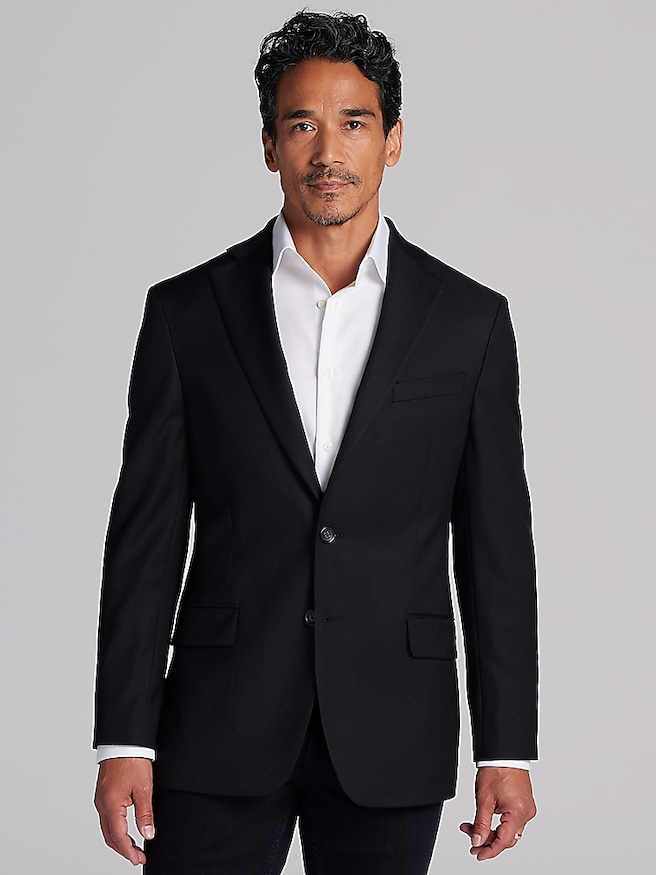
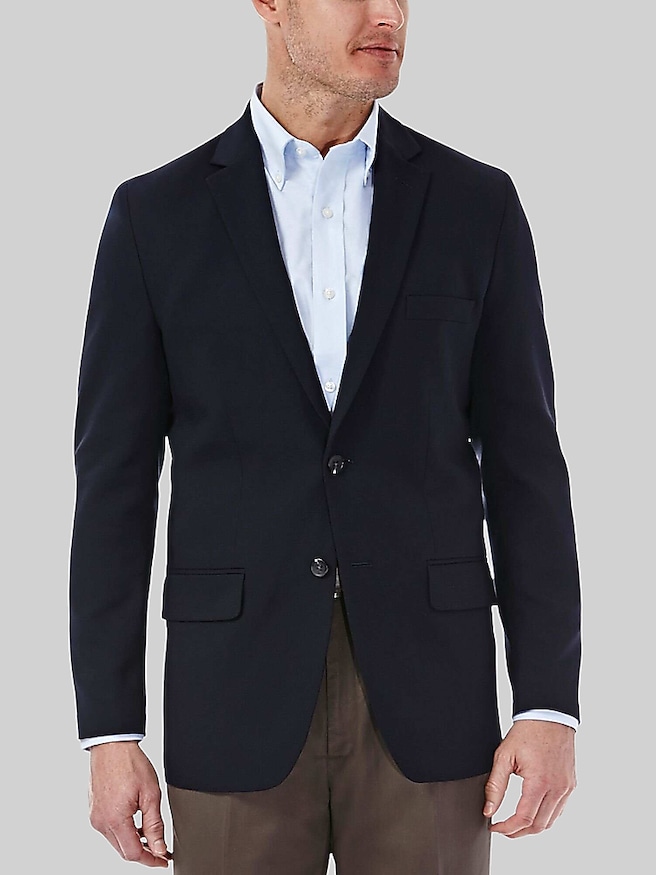
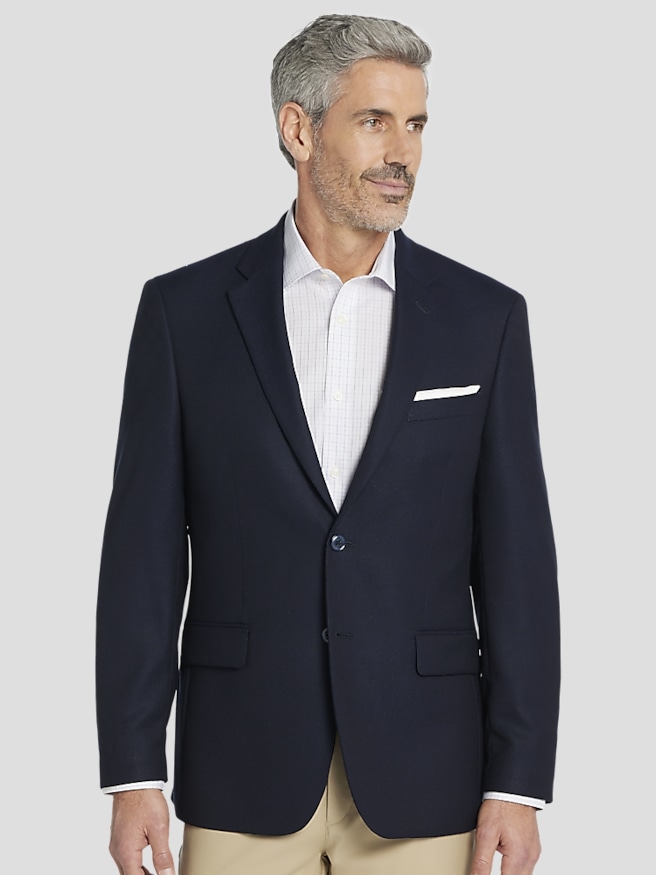
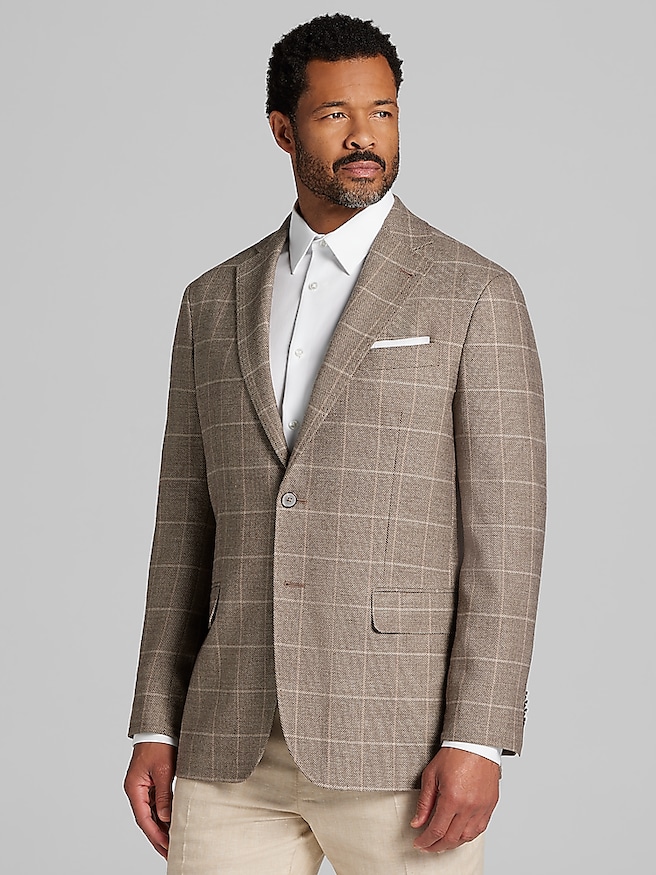
A sport coat is a tailored jacket designed to be worn with trousers that do not need to match, offering a polished alternative to a coordinated suit. Its appeal lies in the balance between structure and ease: defined shoulders and lapels give an outfit shape, while separate pants leave room for a more individual combination. Nautical-inspired styling fits naturally into this category, with blue tones, clean lines, and understated details that work beyond a waterfront setting. The effect can be relaxed without looking unfinished, making this kind of tailoring useful for business-casual offices, dinner reservations, family celebrations, and occasions when a collared shirt alone feels too informal. Blue is especially adaptable because it pairs comfortably with gray trousers, tan chinos, and dark denim, provided the setting allows jeans. A light-colored shirt creates clear contrast, while a subtle pattern adds interest without competing with the jacket. For a blue-centered interpretation of this style, explore Men's Nautica Blue Sport Coats. The overall impression depends as much on the surrounding pieces as on the jacket itself. A crisp button-front shirt and leather lace-ups lean toward business casual; a fine-gauge knit or neat polo and loafers feel more relaxed. Texture can also help separate the jacket from the trousers, particularly when both are dark. A visibly woven surface against smooth pants looks intentional rather than like two parts of an almost-matching suit. Accessories are most effective when they support that distinction instead of adding unnecessary complexity. A simple pocket square, restrained belt, or textured tie can finish the outfit, but none is required for a sport coat to look complete. For someone moving from desk work to an evening meal, that flexibility makes a tailored jacket a practical part of an everyday wardrobe rather than something reserved only for major events.
Fabric, construction, and fit determine how a sport coat feels through hours of wear. Wool can provide a supple drape and natural resilience, while cotton often produces a more casual surface and a firmer feel. Blends may combine fibers to influence softness, shape retention, or ease of care; a small amount of stretch can add flexibility, although the full fabric composition and construction matter more than any single ingredient. Texture deserves attention, too. A smooth finish tends to look dressier, while a visible weave gives a jacket more casual character and creates depth even in a solid color. Lining and internal structure affect the experience just as much as the outer fabric. Lightly structured tailoring generally follows the body more closely, while a more built-up chest and shoulder create a defined outline. A lining can help the jacket slide over a shirt, but it does not establish comfort or quality on its own. Fit begins at the shoulders, where the jacket should sit cleanly without a pronounced overhang or tension across the upper back. With the appropriate button fastened, the front should lie relatively flat rather than pulling into an X-shaped crease. Enough room through the chest and upper arms allows ordinary movements, such as reaching across a table or putting on a seat belt, without the entire jacket shifting out of place. Sleeve length should leave the hands clear and can allow a narrow edge of shirt cuff to show. Jacket length should look balanced with the wearer’s height and proportions rather than follow a rigid rule in isolation. Slim and classic fit descriptions are useful starting points, but measurements and the intended layers provide better context. Someone wearing a fine knit underneath may need a different amount of room than someone who usually wears a lightweight shirt. Straightforward sleeve or waist adjustments may refine the result, while substantial shoulder changes are generally more involved.
Thoughtful care helps preserve the shape, surface, and usefulness of a tailored jacket. The sewn-in care label is the starting point because similar-looking fabrics can require different treatment. A washable fiber does not automatically make the entire garment machine washable; linings, interfacing, and internal construction also influence the appropriate method. Between cleanings, a shaped hanger supports the shoulders, and a soft garment brush can remove surface dust before it settles into the weave. Giving the jacket space in the closet helps prevent compressed lapels and persistent folds. Small spills are best addressed promptly according to the care instructions, without vigorous rubbing that can spread a mark or disturb the surface. Pressing and steaming also require attention to the fabric and construction, since excessive heat or pressure can leave shine or flatten textured cloth. For travel, a garment bag can reduce friction against other belongings, and empty pockets help the front retain its intended line. Durability depends on more than fabric weight: secure buttons, tidy seams, sound pocket edges, and a lining that does not pull during movement all contribute to reliable wear. Overfilled pockets can distort the silhouette, so keeping bulky objects elsewhere helps the jacket hang cleanly. These practical details matter for frequent wearers and occasional dressers alike. A sport coat can also make a useful gift for a father, brother, partner, or recent graduate whose routine includes presentations, celebrations, or meals where a polished appearance is welcome. The most helpful starting points are the recipient’s measurements, preferred fit, and existing wardrobe rather than an assumed size. A familiar color and understated texture often make coordination easier, while a more distinctive pattern suits someone who already enjoys mixing separates. For a first tailored jacket, versatility may matter most; for an established wardrobe, a different texture or silhouette may add more value. The lasting appeal comes from a jacket that feels comfortable, works with clothes already worn, and makes dressing for a range of occasions feel uncomplicated.