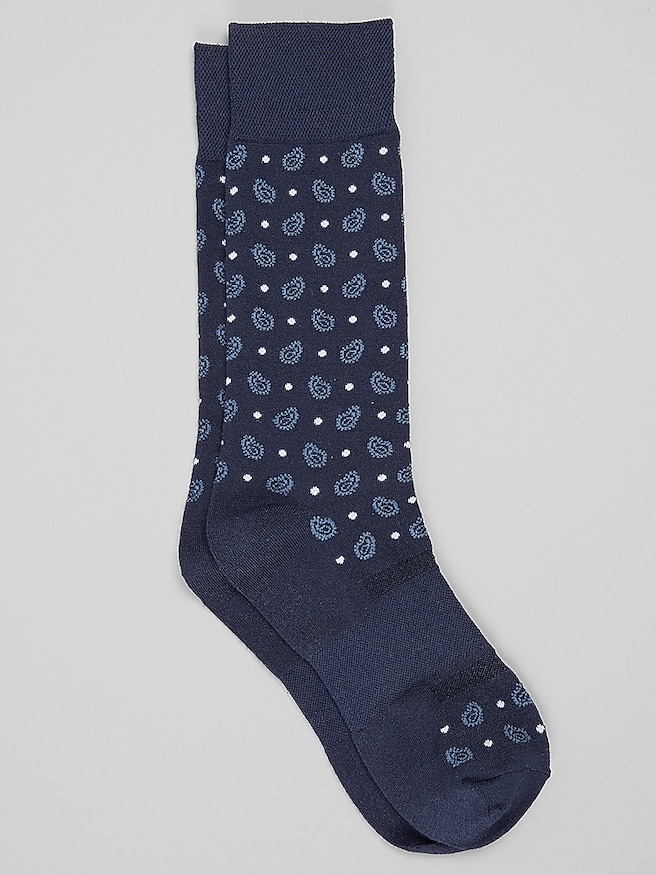
Moisture-wicking dress socks are designed to move perspiration away from the skin and spread it through the fabric so it can evaporate. That moisture management helps reduce the damp, clingy feeling that can develop inside dress shoes during a full day of wear. For someone walking from a parking garage to an office, moving between meetings, or standing through a wedding reception, the appeal is practical: a polished sock that supports comfort without adding the bulk or athletic appearance of a gym sock. Wicking and breathability work together, but they are not the same feature. Wicking describes how moisture moves through a material, while breathability describes how readily air and water vapor pass through its construction. Both matter inside an enclosed shoe, and neither means that feet will stop perspiring or stay completely dry under every condition. Shoe lining, fit, activity level, and the sock’s fabric all influence the result. A smooth, lightweight knit can sit neatly beneath tailored trousers and fit comfortably inside oxfords, derbies, or loafers without crowding the toes. Slightly more cushioning may suit someone who spends much of the day on foot, provided there is enough room inside the shoe. The dress element matters just as much as the performance element. Fine ribbing, a clean surface, and a cuff that stays in place help preserve a finished appearance when a trouser hem rises while sitting or crossing a leg. Solid navy, charcoal, black, and brown create an understated foundation, while small geometric patterns or restrained stripes can add interest without drawing attention away from a suit. Moisture-wicking dress socks suit business attire, interviews, presentations, ceremonies, and other occasions that call for dress shoes worn for several hours. Their value lies in combining that refined appearance with fabric construction intended to handle the perspiration that comes with an ordinary, active day.
Fiber content helps explain how moisture-wicking dress socks feel, fit, and hold up over time. Polyester and nylon are common components in performance blends because they can support moisture transport and dry relatively quickly, although the yarn structure and any fabric finish also affect performance. Nylon can contribute strength and abrasion resistance, especially in areas exposed to repeated rubbing against a shoe. Merino wool offers a soft, fine-fiber option that can absorb moisture vapor, and it is often blended with synthetic fibers to balance comfort, durability, and drying behavior. Cotton contributes a familiar soft feel, but cotton-rich fabrics generally retain absorbed moisture longer than many performance-oriented synthetic blends. A cotton blend may still provide moisture-management benefits when its other fibers and construction are designed for that purpose; fiber percentages alone do not tell the whole story. Elastane, also called spandex, provides stretch and helps a sock recover its shape after wear. That recovery is important at the cuff, ankle, and arch, where loose fabric can bunch or slide. A secure fit should feel close rather than restrictive, with the heel pocket positioned over the heel and enough length for the toes to rest naturally. When a sock is too small, tension can pull across the toes and wear points; when it is too large, folds can create uncomfortable pressure inside a fitted shoe. Crew lengths provide familiar coverage, while over-the-calf styles extend higher on the leg and can help keep skin covered beneath seated trousers. Neither length replaces proper sizing. Construction details deserve equal attention: a smooth toe seam can reduce noticeable rubbing, reinforced heels and toes can help withstand repeated wear, and selective cushioning can soften contact without making the entire sock thick. Stretch through the arch may help keep the fabric positioned, but ordinary supportive shaping should not be confused with medically graded compression. The most comfortable combination depends on foot shape, shoe volume, and whether the day involves mostly sitting, frequent walking, or extended standing.
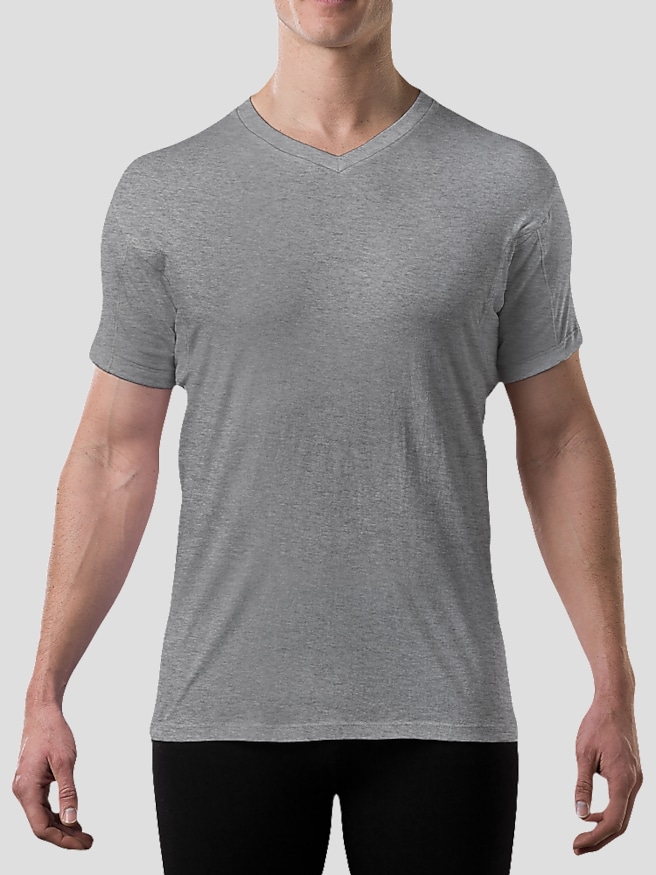
Daily wear and thoughtful care influence how long moisture-wicking dress socks retain their shape and performance. Friction from rough shoe linings, toenails pressing against a tight toe box, and pulling sharply at the cuff can all shorten a sock’s useful life. A well-fitting shoe leaves space for the foot and fabric without allowing excessive sliding, and keeping toenails smooth helps reduce snagging at the toe. After wear, allowing socks to dry before placing them in a hamper helps prevent lingering dampness. The care label should determine the washing method, since wool blends, synthetic knits, and fabric finishes may have distinct requirements. Turning socks inside out can help expose the areas that collect perspiration and skin oils, while a mesh laundry bag keeps pairs together and limits contact with zippers or other snagging surfaces. Gentle washing and the recommended drying method help protect elastic fibers and preserve fit. Excessive dryer heat can weaken stretch components, and fabric softeners may leave residues that interfere with moisture management in some performance fabrics. Complete drying before storage is useful, as is folding pairs together without stretching one cuff tightly around the other. Rotating several pairs spreads wear across the drawer and gives each pair time for washing and drying between uses. For a coordinated workday wardrobe, moisture-wicking dress socks can complement Moisture Wicking Shirts, bringing a similar focus on managing perspiration to separate layers of an outfit. That combination can be particularly practical for a commute followed by a full schedule of appointments or a day of business travel with little opportunity to change. Dress socks also make a useful gift for a graduate starting an office role, a partner who regularly wears suits, or a friend preparing for an important ceremony. Knowing the recipient’s sock size, preferred height, and usual trouser colors makes the choice more personal and useful. A pair that feels smooth inside dress shoes, stays comfortably in place, and washes well can become a dependable part of getting dressed rather than a detail that needs attention halfway through the day.