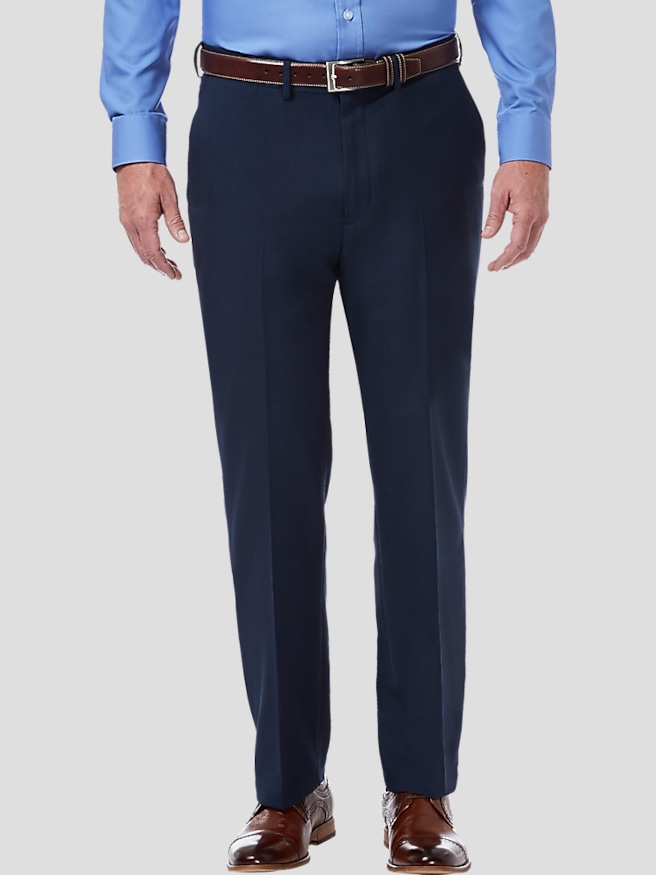
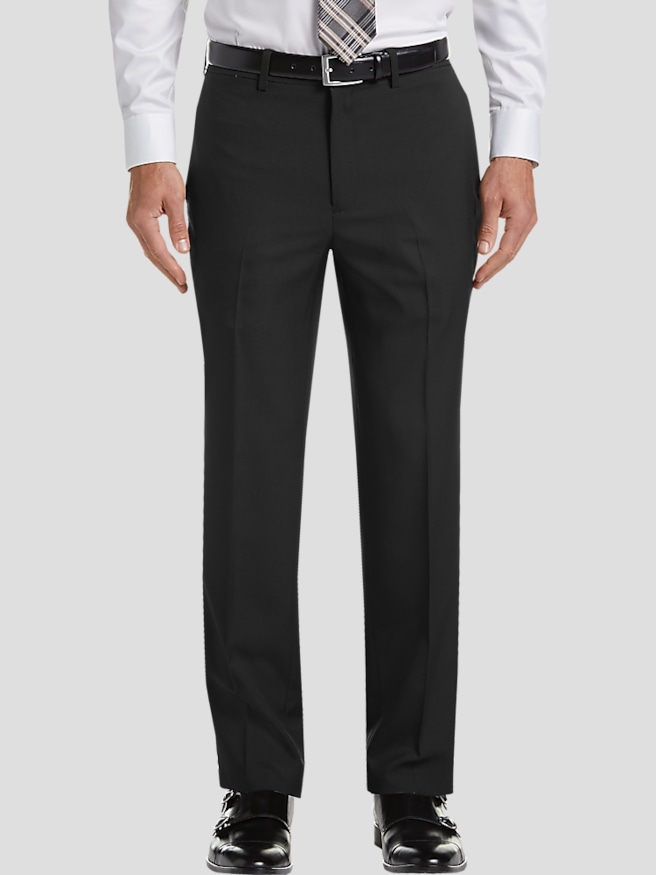
Modern slim fit pants combine a tailored silhouette with room for everyday movement, typically sitting close through the seat and thighs before narrowing toward the ankle. The result is a clean line that works with a tucked-in dress shirt, a fine-gauge knit, or a casual button-down without the fullness of a relaxed cut. Slim does not have to mean tight: a well-proportioned pair follows the body rather than pulling across it, with pockets that lie flat and a waistband that stays comfortable when seated. For someone moving from a morning meeting to a desk, then heading out to dinner, that balance matters more than an especially narrow leg opening. Fit names are not standardized, so “modern” and “slim” can describe slightly different proportions depending on the design. The rise, thigh measurement, and leg opening help explain how pants will actually sit and feel. A little more room through the upper leg can preserve a streamlined appearance while making stairs, commuting, and long stretches in a chair more comfortable. The rise also affects the overall look: a waistband that sits at a comfortable point on the torso helps a tucked shirt stay neat and keeps the front of the pants from looking strained. Length completes the silhouette. A slight break creates a small fold where the hem meets the shoe, while a no-break length lets the fabric meet the top of the shoe with little or no folding. Both can suit slim trousers; the choice depends on personal preference, footwear, and the setting. Excess fabric pooling at the ankle can obscure the taper, while an overly short hem can expose more sock than intended when standing. The strongest fit is one that looks composed in motion, not just in front of a mirror. Smooth fabric across the front, an easy stride, and a clean drape through the back of the leg are useful signs of that balance. Small adjustments to the hem or waist can refine the finish, although substantial tightness through the seat or thighs usually calls for a different size or cut.
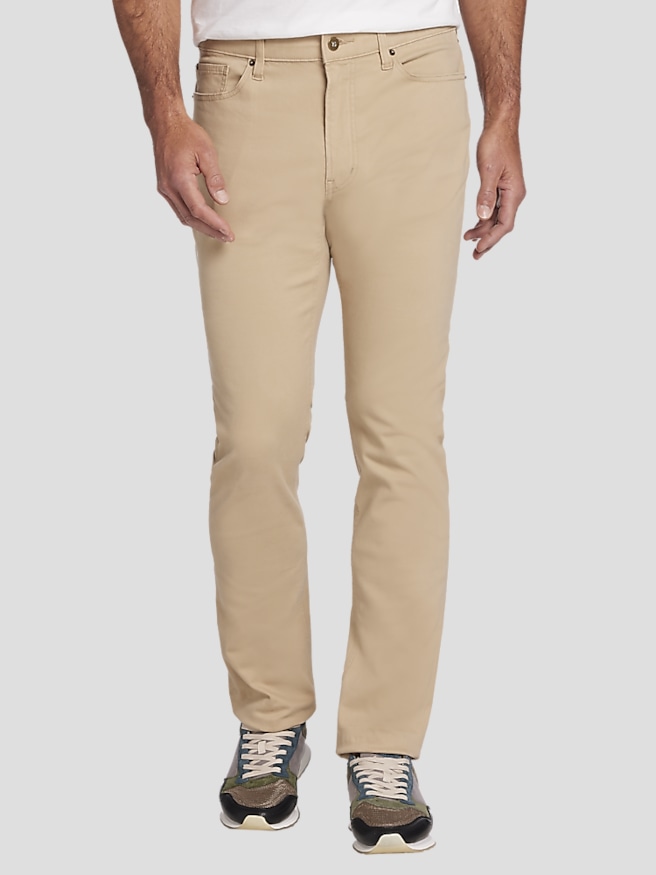
Fabric gives modern slim fit pants much of their character, influencing everything from surface texture to how the leg hangs after hours of wear. Cotton twill has a familiar, substantial feel that suits chinos and other everyday pants, with a diagonal weave that adds subtle texture. Wool and wool blends can provide a more fluid drape and a refined surface for dressier trousers. Polyester, rayon, and other blended fibers can contribute smoothness, shape retention, or easier care, depending on the fabric construction and finishing. A small amount of elastane or spandex adds stretch, which can make a close-fitting silhouette more forgiving when sitting or bending. Stretch content alone does not determine comfort, however; fabric weight, weave, recovery, and the underlying cut all play a part. A fabric that stretches easily but does not recover well may lose its neat shape at the knees, while a stable blend can help maintain a cleaner line. Texture changes the impression, too. A smooth finish tends to look more polished, while a matte twill or lightly textured weave feels less formal without looking untidy. Durability depends on more than fiber content. Secure stitching, well-finished seams, and reinforced areas around pockets contribute to pants that stand up to repeated use. Pocket placement and construction matter visually as well, since bulky contents can interrupt the slim profile. Care should follow the garment label rather than assumptions about the material. Some pants are machine washable, while others require professional cleaning; heat settings and drying methods can also affect shrinkage, stretch fibers, and surface appearance. Prompt attention to spills, empty pockets before cleaning, and appropriate pressing help preserve the finish. Hanging pants neatly after wear can reduce unnecessary creasing, and rotating between pairs gives each pair time between uses. For pressed trousers, a consistent crease can emphasize the vertical line; for casual chinos, a smooth finish without a pronounced crease often looks more natural.
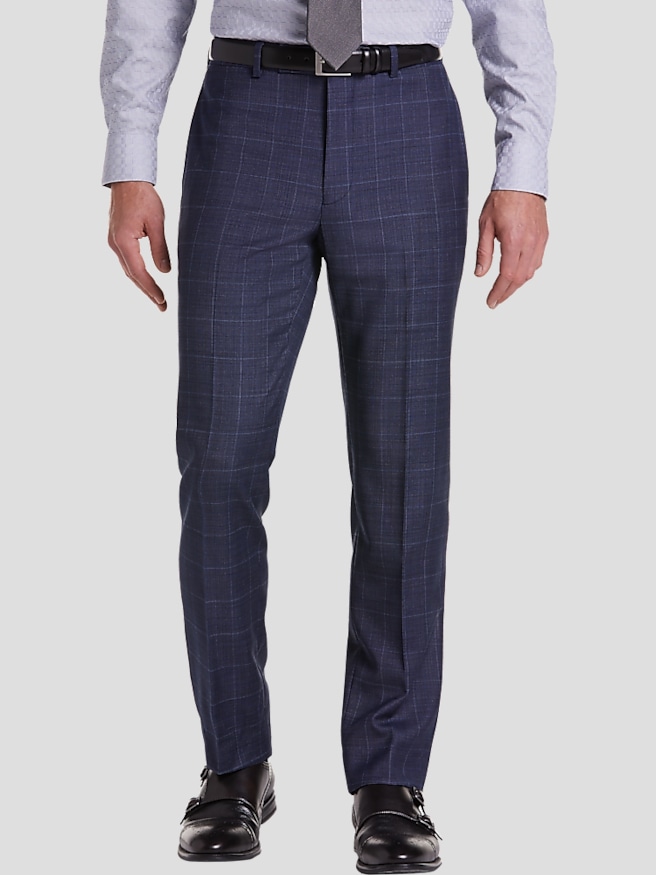
The appeal of modern slim fit pants is their ability to connect different parts of a wardrobe without making every outfit feel the same. Navy, charcoal, and black create a restrained foundation for office dressing, while tan, stone, and olive offer a less formal direction with similar versatility. A pale blue shirt tucked into charcoal trousers reads differently from a textured polo worn with olive chinos, even when both outfits share the same tapered shape. Pattern and texture can add variety without changing that basic approach: a subtle check introduces detail, while a solid color leaves more room for an expressive shirt or jacket. Proportion helps keep these combinations coherent. A shirt with controlled volume and a jacket that sits cleanly through the shoulders usually complement a narrow trouser leg better than layers that overwhelm it. Footwear changes the character just as clearly. Leather lace-ups or loafers reinforce a polished appearance, while simple, low-profile sneakers can suit a more relaxed workplace or an evening out. The hem should work with the shoes actually being worn, since a substantial sole and a sleek dress shoe meet the trouser leg differently. For business presentations, restaurant dinners, celebrations, and everyday office routines, the level of formality comes from the complete outfit as well as the pants. Dress trousers can complement a sport coat, but a coordinated suit appearance requires pants and a jacket intended to match in fabric and color. Anyone exploring the broader category can find a useful starting point in Men's Slim Pants, with attention to the proportions and fabric qualities that suit an established wardrobe. These pants can also make a thoughtful gift for a graduate beginning a professional role or someone refining an everyday work wardrobe, especially when waist, inseam, and preferred rise are already known. The most useful choice reflects how the recipient actually dresses: comfortable enough for a full day, polished enough for important moments, and straightforward to combine with shirts and shoes already in regular rotation.